







How to blacken chicken, fish, and other meats
updated 07/30/2026
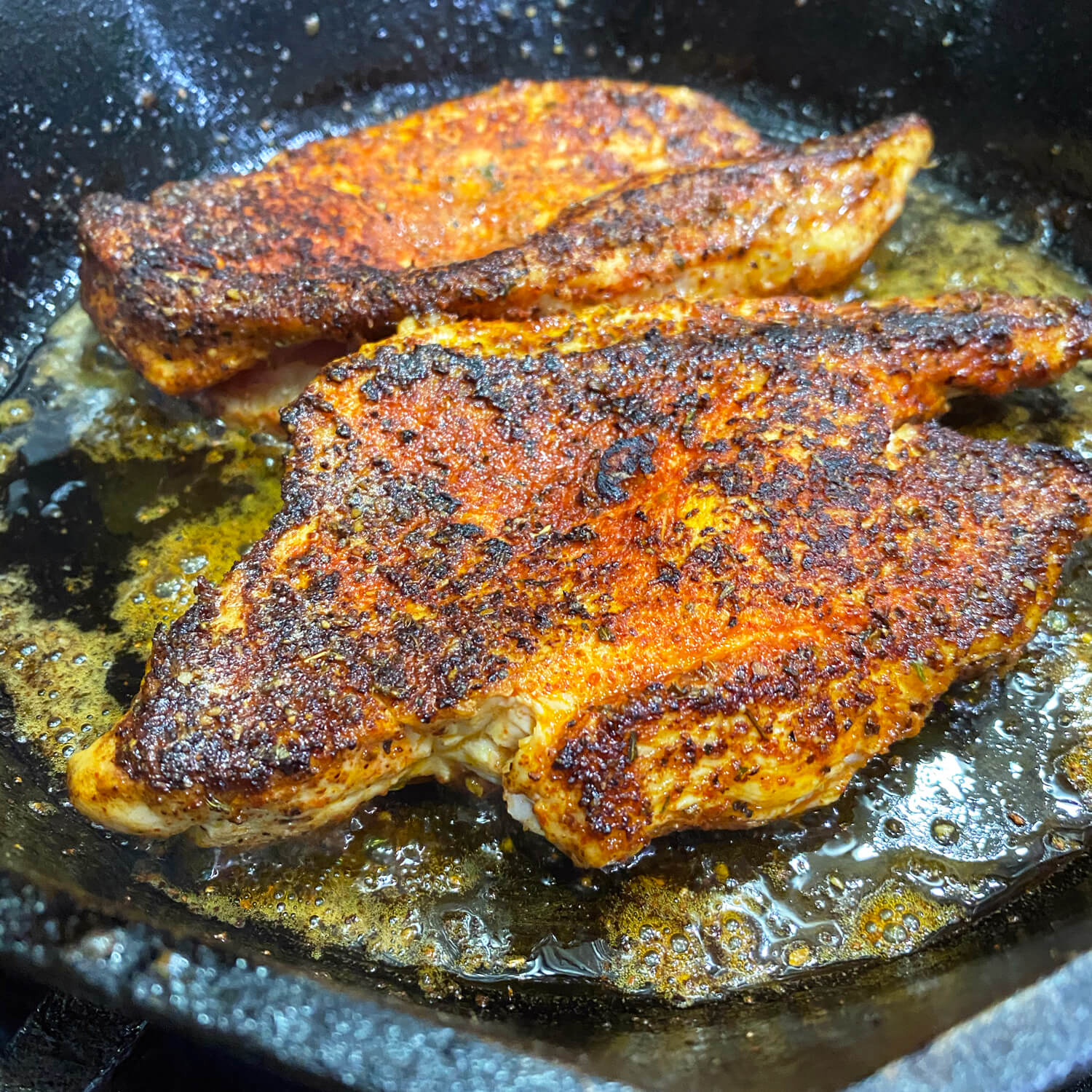
Blackening gives chicken, fish, shrimp, pork, and steak a deeply seasoned, dark crust while keeping the inside juicy. It looks dramatic, smells incredible, and cooks fast. Best of all, you do not need a restaurant kitchen or a culinary degree. You just need the right seasoning, a heavy skillet, good ventilation, and a little confidence around a hot pan.
The big thing to remember is that blackened does not mean burned. The dark crust comes from bold spices, butter, high heat, and fast browning. When those pieces work together, you get savory, smoky flavor instead of a bitter layer of charcoal wearing a chicken breast as a hat.
What You’ll Need
What Does Blackening Food Mean?
Blackening is a high-heat cooking technique popularized by Louisiana chef Paul Prudhomme and his famous blackened redfish in the early 1980s. The classic method coats fish in butter and a bold blend of spices, then cooks it quickly in a very hot cast-iron skillet. The technique soon found its way to chicken, shrimp, pork, burgers, and steaks because, as it turns out, a dark, buttery spice crust is not picky about which protein gets invited to dinner.
The original Lane’s article described blackening as a way to recreate some of the flavor of cooking over live fire. That is still a helpful way to think about it. The skillet creates intense direct heat, while the butter and seasoning build a savory crust around the food.
Blackened
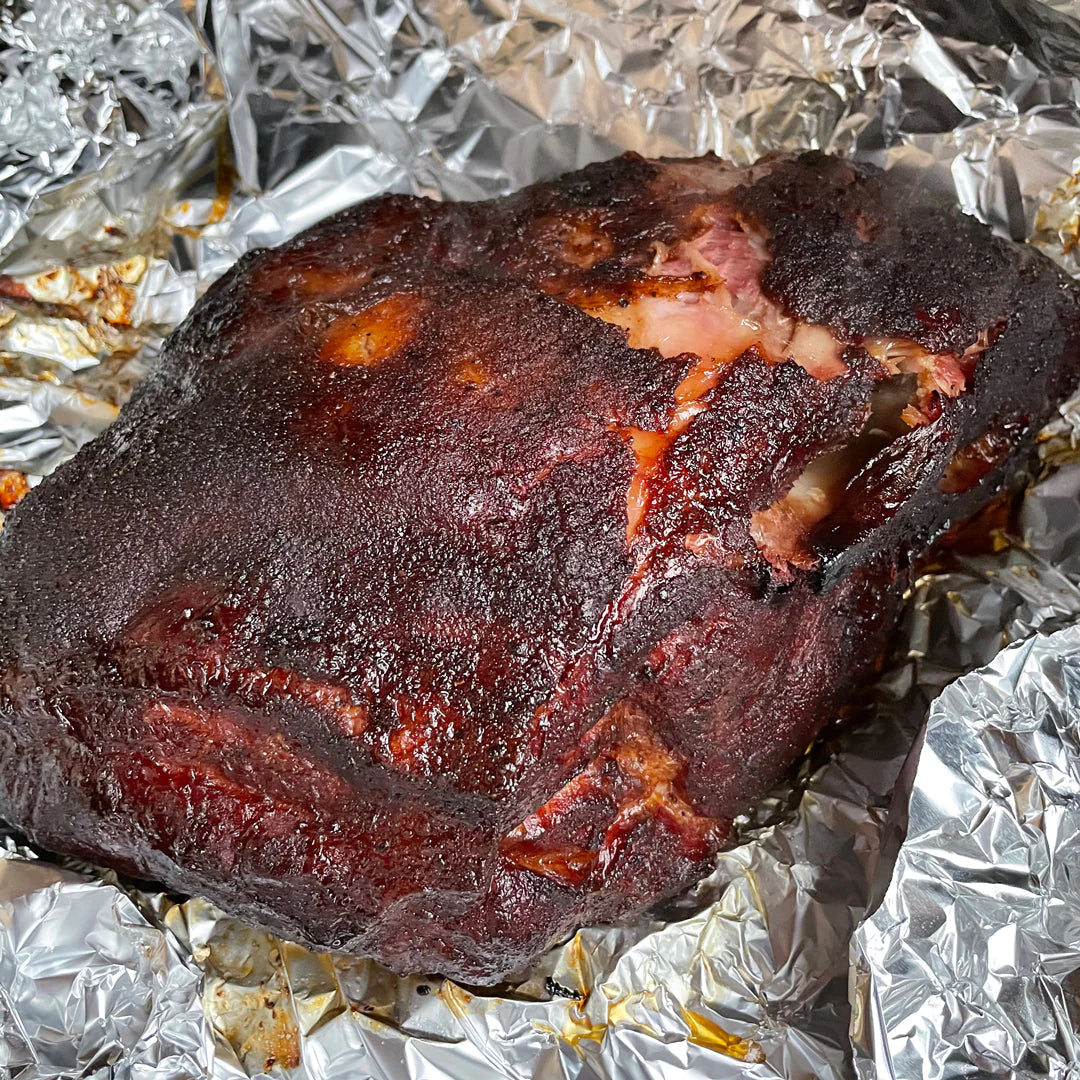
The seasoning becomes dark brown to nearly black, the surface is deeply flavored, and the inside remains moist. The crust may have a few charred edges, but it should not taste bitter or ashy.
Burned
The seasoning turns dry and bitter, the butter smells acrid, and the crust tastes like carbon instead of spices. If the pan is smoking like a tire fire before the food goes in, back the heat down.
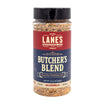
Lane’s Blackening Rub handles the seasoning blend for you, so you can focus on the heat and timing. The rub is sugar-free, which is especially useful for this method because sugar can scorch quickly in a hot skillet.
How to Prepare Meat or Fish for Blackening
- Choose an evenly sized piece - Thin fish fillets, chicken cutlets, shrimp, pork chops, and steaks with consistent thickness cook most evenly. Pound thick chicken breasts into cutlets or slice them horizontally so the crust does not finish long before the center.
- Pat the surface dry - Excess moisture creates steam and fights the crust. Use paper towels to dry every side before adding butter or seasoning.
- Brine chicken or pork if you want - Brining is optional, but it can help lean cuts stay juicy. Lane’s Signature Brine works well for chicken and pork. Pat the protein very dry after brining.
- Melt the butter - You need enough to coat the food lightly. Keep a little extra for finishing, but do not pour a puddle into a screaming-hot skillet.
- Season generously - Brush both sides with melted butter, then apply an even coat of blackening rub. Press the seasoning on gently instead of rubbing it back off.
Prep before the pan gets hot. Blackening moves quickly. Have the seasoned food, tongs or a fish spatula, thermometer, and clean plate ready before you start heating the skillet.
How to Blacken Chicken, Fish, and Meat in a Skillet
- Ventilate the area - Turn on the exhaust fan and open windows before cooking. Better yet, place the skillet on an outdoor grill or burner when you can. There will be smoke. That is not a surprise guest; it is part of the method.
- Preheat a dry cast-iron skillet - Heat it over medium-high until it is very hot and just beginning to smoke. A properly seasoned cast-iron skillet holds heat well and is our first choice. A heavy stainless-steel skillet can work too. Avoid blasting a nonstick pan beyond its manufacturer’s recommended heat limit.
- Add the seasoned protein - Lay the food away from you to reduce splatter. Do not crowd the skillet. Cook in batches so every piece has direct contact with the hot surface.
- Leave it alone - Cook the first side for roughly 2–4 minutes, depending on the protein and thickness. Moving it too soon can tear fish or prevent the crust from forming.
- Flip once - Turn the food carefully and cook the second side for another 2–4 minutes. Spoon or brush on a small amount of melted butter after flipping if you want more richness, but expect extra smoke.
- Check the center - Use an instant-read thermometer in the thickest part. The clock gets you close; temperature tells you when dinner is safe and ready.
- Rest and finish - Move the food to a clean plate. Let larger cuts rest, then brush lightly with melted butter and add lemon or lime juice if desired.

Hot pan, hot handle. Cast iron stays hot long after the burner is off. Use a dry oven mitt or heat-safe handle cover, keep loose clothing away from the flame, and never leave the skillet unattended.
Blackening Times and Safe Internal Temperatures
Cook time depends on thickness, starting temperature, skillet heat, and the protein itself. These ranges are planning guides, not a substitute for a thermometer.
Cutlets, breasts, and thighs
Thin cutlets often take about 3–4 minutes per side. Cook all poultry to 165°F in the thickest part.
Firm fillets
Many 1-inch fillets take about 2–4 minutes per side. Cook fish to 145°F or until the flesh is opaque and separates easily with a fork.
Peeled or shell-on
Large shrimp may need only 1–2 minutes per side. They are ready when the flesh is pearly or white and opaque.
Chops and tenderloin medallions
Cook whole-muscle pork to 145°F, then rest it for at least 3 minutes. Finish thick chops with gentler indirect heat.
Steaks and chops
For food-safety guidance, cook whole-muscle beef to 145°F and rest for at least 3 minutes. Carryover heat can raise the temperature while it rests.
Ground beef or pork
Ground beef and pork should reach 160°F. Ground poultry should reach 165°F.
Insert the thermometer from the side when the piece is thin so the sensing area reaches the center. Avoid touching bone or the skillet, both of which can give you a misleading reading.
How to Blacken Thick Chicken, Pork Chops, or Steak
A thick cut can develop a perfect crust while the middle is still undercooked. Do not keep hammering the outside with high heat. Sear first, then finish gently.
- Preheat the oven or grill - Set an oven to 350°F or prepare an indirect-heat zone on the grill before you begin blackening.
- Build the crust - Blacken both sides in the hot skillet until the color and crust look right.
- Move to gentler heat - Transfer the skillet to the oven, or move the meat to the grill’s indirect side.
- Cook to temperature - Check the center every few minutes and remove the food when it reaches the appropriate safe temperature.
- Rest before slicing - Give thick chicken, pork, and steak time to settle so the juices stay in the meat instead of running across the cutting board.
This two-stage method gives you control over the crust and the center. It is especially useful for thick pork chops, large chicken breasts, and steaks more than about 1 inch thick.
How to Blacken Food on the Grill
Blackening outdoors solves the ventilation problem and keeps the kitchen from smelling like you opened a restaurant in it. Place a cast-iron skillet over direct heat and close the grill lid long enough to preheat the pan thoroughly.
- Create two heat zones - Keep the skillet over direct heat and leave another area set for indirect cooking.
- Preheat the skillet - Let the cast iron become very hot before adding the food.
- Blacken both sides - Follow the same butter, seasoning, searing, and flipping method used indoors.
- Finish thick pieces indirectly - Move them out of the skillet and away from direct heat until the center reaches the proper temperature.
You can also cook directly on clean grill grates, but that is closer to grilling a heavily seasoned protein than classic skillet blackening. It will still taste great. The food police are not coming.
Common Blackening Mistakes
The crust is bitter
The pan was probably too hot, the food stayed down too long, or the seasoning scorched. Lower the heat slightly, shorten the cook, and make sure you are using a sugar-free blackening blend.
The seasoning falls off
Pat the protein dry, apply only a light butter coating, press the seasoning on gently, and wait for the first side to release before flipping.
The food is pale
The skillet may not have been hot enough, or too many pieces cooled the pan. Preheat longer and cook in smaller batches.
The outside is done first
The piece is too thick for skillet cooking alone. Finish it in a 350°F oven or over indirect grill heat instead of burning the crust.
The fish tears when flipped
Use a firm fillet, dry it thoroughly, and let the crust set before turning. A thin fish spatula helps you get underneath it cleanly.
The kitchen is full of smoke
Some smoke is expected, but good ventilation is not optional. Use the exhaust fan, open windows, or move the whole operation outside.
What to Serve with Blackened Meat or Fish
Blackened food is bold, so fresh, creamy, or lightly sweet sides work especially well. Serve it over rice and beans, slice it for tacos, pile it onto a sandwich, or add it to pasta or a grain bowl.
- Add blackened chicken or shrimp to creamy pasta.
- Serve fish with rice, roasted vegetables, and lemon.
- Build tacos with avocado, pico de gallo, and a cooling slaw.
- Top a salad with sliced blackened chicken, pork, or steak.
- Make a sandwich or po-boy with lettuce, tomato, pickles, and sauce.
We especially like it with our Jalapeño Cilantro Signature Slaw. The bright, crunchy slaw gives the rich spice crust a very good place to land.
More Ways to Use Lane’s Blackening Rub
Once you have the method down, you can blacken just about anything that holds still long enough. Start with one of these Lane’s recipes:
- Blackened Chicken Garlic Bowtie Pasta
- Blackened Shrimp Po-Boy
- Blackened Mahi Mahi Sandwich
- Black Magic Burger
- Black and Blue Smash Burger
With a little practice and a well-ventilated kitchen, blackening becomes one of those techniques you can pull out whenever dinner needs more personality. Keep the pan hot, keep the food moving only when it needs to move, and trust your thermometer. Enjoy!
FAQs — Blackening Chicken, Fish, and Other Meats
What is the difference between blackened and burned food?
Blackened food has a dark, deeply seasoned crust created by spices, butter, and high heat, but it should still taste savory rather than bitter. Burned food tastes acrid or ashy because the seasoning and surface have carbonized too far.
What pan is best for blackening?
A properly seasoned cast-iron skillet is the best choice because it handles high heat and holds its temperature when the food goes in. A heavy stainless-steel skillet can also work. Avoid heating a nonstick pan beyond the manufacturer’s recommended limit.
Do you use butter or oil for blackening?
The classic method uses melted butter to coat the protein before the blackening seasoning goes on. Butter adds flavor and helps build the crust. Use a light coating rather than pouring excess butter into the very hot skillet.
How long does it take to blacken chicken or fish?
Many thin chicken cutlets and fish fillets take roughly 2–4 minutes per side in a properly preheated skillet. Thickness and skillet heat change the timing, so use an instant-read thermometer instead of relying only on the clock.
What temperature should blackened chicken reach?
Blackened chicken should reach 165°F in the thickest part. If the crust is ready before the center reaches that temperature, finish the chicken in a 350°F oven or over indirect grill heat.
What temperature should blackened fish reach?
Cook blackened fish to 145°F, or until the flesh is no longer translucent and separates easily with a fork. Thick fillets may need a short finish over gentler heat after the crust forms.
Can I blacken food on an outdoor grill?
Yes. Preheat a cast-iron skillet over direct grill heat, then follow the same butter, seasoning, searing, and flipping method. Keep an indirect zone available to finish thick pieces without burning the crust.
Why does blackening make so much smoke?
Blackening uses a very hot skillet, butter, and spices, so smoke is part of the process. Turn on a strong exhaust fan and open windows before cooking, or move the skillet to an outdoor grill or burner.


Leave a comment
All comments are moderated before being published.
This site is protected by hCaptcha and the hCaptcha Privacy Policy and Terms of Service apply.