








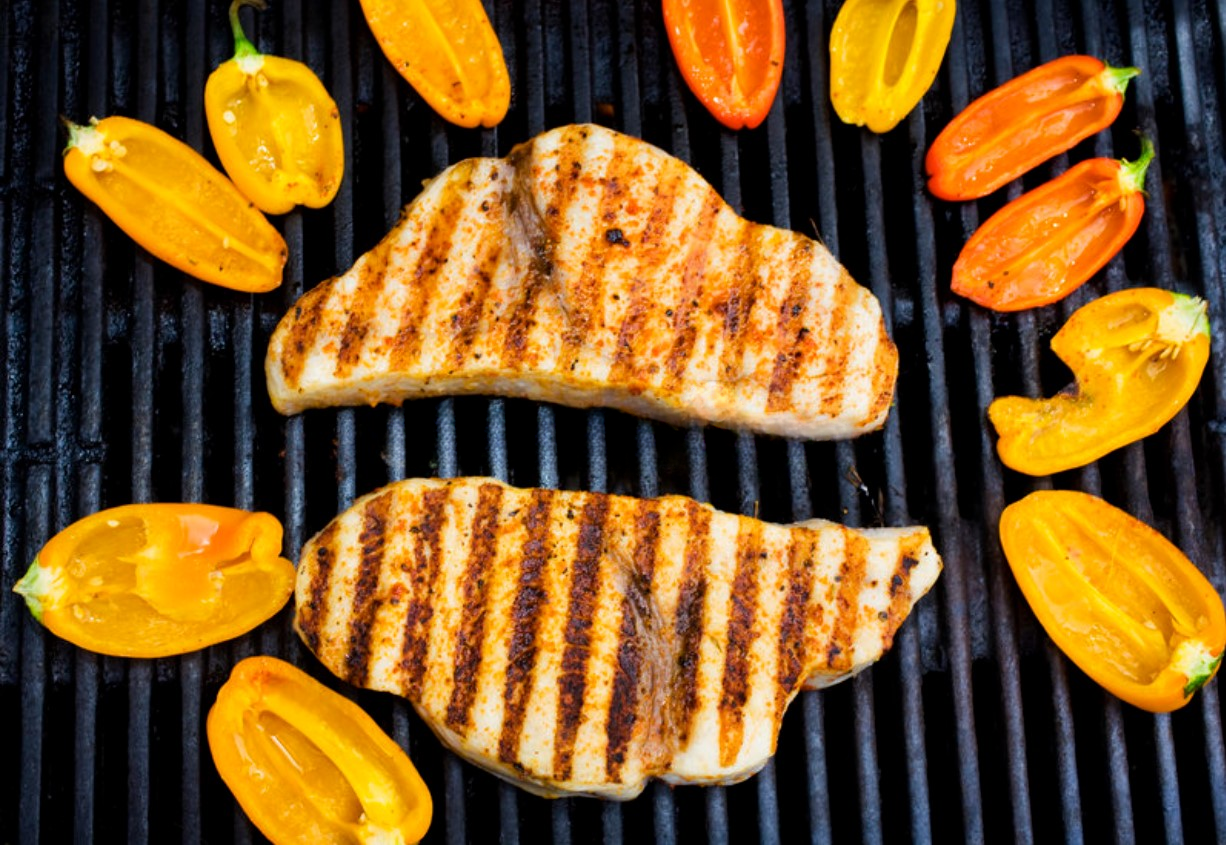
Grilled Swordfish That Stays Juicy
Swordfish was practically built for the grill. Its firm, meaty texture holds together over high heat, takes on a beautiful sear, and gives you plenty of room to play with bold seasonings, citrus, garlic, and fresh herbs.
The trick is not making it complicated. Start with a quality swordfish steak, get the grill hot and clean, season it well, and use a thermometer instead of trying to stare the fish into doneness. Here is how to grill swordfish that is flavorful, tender, and anything but dry.
Reviewed and updated 07/30/2026.
How to Choose a Swordfish Steak
Great grilled swordfish starts before the grill ever gets hot. Look for steaks that are firm, moist but not slimy, and evenly colored. Swordfish can range from ivory to pale pink or light orange depending on its diet, so color alone is not a freshness test.
Check the aroma
Fresh fish should smell clean and mild, not strongly fishy, sour, or ammonia-like. If the smell makes you lean backward, trust the lean.
Look at the texture
Choose firm steaks that appear moist without a sticky or slimy surface. Avoid fish with dried edges, excessive liquid, or obvious separation in the flesh.
Aim for even thickness
A steak about 1 inch thick is easy to sear without drying out. More important, choose pieces with an even thickness so one end does not overcook while the other catches up.
Frozen swordfish can also grill beautifully. Thaw it safely in the refrigerator, then pat it completely dry before seasoning. Surface moisture gets in the way of browning and makes sticking more likely.
A quick mercury note: FDA and EPA list swordfish among the highest-mercury choices to avoid for people who are or may become pregnant, people who are breastfeeding, and children ages 1–11. Anyone with questions about how swordfish fits into their diet should follow current FDA guidance or speak with a healthcare professional.
How to Season Swordfish for the Grill
Swordfish has a mild flavor and sturdy texture, which means it can handle more seasoning than a delicate white fish. Pat both sides dry, brush lightly with a high-heat cooking oil, and season evenly.
Sweet Lemon Pepper
Pair Sweet Lemon Pepper with a squeeze of fresh lemon after grilling. Adding the juice at the end gives you brightness without leaving the fish in acid long enough to change its texture.
Garlic²
Garlic² brings bold garlic flavor that works naturally with olive oil, rosemary, thyme, and grilled vegetables.
Blackening
Use Blackening when you want a peppery, savory crust. Apply it evenly and watch for flare-ups if your oil drips onto the fire.
Signature
Signature gives swordfish a balanced sweet-and-savory BBQ flavor without covering up the fish.
Can You Marinate Swordfish?
Yes, but keep an acidic marinade short. Lemon juice, vinegar, and other acids begin changing the fish’s exterior texture as it sits. For a marinade with plenty of citrus or vinegar, about 15–30 minutes in the refrigerator is enough. Oil, garlic, and herb mixtures with little or no acid can sit longer, but there is no need to turn this into an all-day project.
Never reuse marinade that held raw fish unless you first bring it to a full boil. The easier move is to reserve a clean portion before adding the swordfish and use that for finishing.
How to Grill Swordfish Step by Step
What You Need
Choose firm steaks of an even thickness, ideally around 1 inch thick.
Use a high-heat cooking oil and your favorite Lane’s rub.
Time gives you an estimate. Temperature tells you when dinner is ready.
-
Preheat the grill
Heat your gas or charcoal grill to high heat, at least 400°F, for about 10 minutes. A fully preheated grill helps create a good sear and releases the fish more cleanly from the grates.
-
Clean and oil the grates
Brush the grates clean. Then use long-handled tongs and a folded paper towel lightly coated with a high-smoke-point cooking oil to wipe the grates. Do not spray aerosol cooking oil directly into a lit grill.
-
Dry and season the swordfish
Pat the steaks dry with paper towels. Brush both sides lightly with oil, then apply your chosen seasoning evenly. Let the fish sit only while you finish preparing the grill.
-
Place the steaks over direct heat
Lay the swordfish on the hot grates and close the lid. Grill without moving it for about 4–5 minutes. When a proper crust forms, the fish should release more easily.
-
Flip once and finish cooking
Use a wide fish spatula to turn each steak carefully. Grill the second side for roughly 4–5 minutes, checking the thickest part with an instant-read thermometer as it gets close to done. Exact timing depends on steak thickness and grill heat.
-
Cook to 145°F
FoodSafety.gov recommends cooking fish to an internal temperature of 145°F. Check through the side of the steak and aim the thermometer tip into the center of the thickest section.
-
Rest briefly, then serve
Move the swordfish to a clean platter and let it rest for a few minutes. Finish with fresh lemon juice, herbs, or a reserved clean sauce, then serve with grilled vegetables, rice, potatoes, or a crisp salad.
How to Tell When Swordfish Is Done
The safest and most reliable test is internal temperature. Cook swordfish to 145°F in the thickest part. The flesh should be opaque and should separate easily when tested with a fork.
Do not judge by time alone. The original 4–5 minutes per side is a useful estimate for a steak around 1 inch thick, but a thin steak may finish sooner and a thick steak may need longer. Grill temperature, starting temperature, and thickness all change the clock.
Swordfish is naturally lean and can turn dry when overcooked. Begin checking before the estimated cook time is up, especially around thinner edges. If one section is much thinner, angle that part toward a cooler area of the grill.
Tips for Better Grilled Swordfish
Dry the surface
Moisture creates steam and works against browning. Patting the steaks dry is one of the easiest ways to improve the crust.
Use enough heat
A properly heated grill gives the swordfish better color and helps prevent sticking. Putting fish on lukewarm grates is asking for a custody battle.
Do not flip too early
If the steak fights the spatula, give it a little more time. Once the surface sears, it usually releases more willingly.
Keep a cooler zone available
On a charcoal grill, bank the coals to one side. On a gas grill, leave one burner lower. If the exterior browns before the center reaches temperature, move the fish away from the hottest area.
Use a clean serving platter
Do not return cooked swordfish to the plate that held it raw. Grab a fresh platter and clean utensils for serving.
Add fresh lemon at the end
A squeeze after grilling keeps the flavor bright and avoids letting acid sit on the fish long enough to affect its texture.
What to Serve With Grilled Swordfish
Swordfish plays nicely with sides that are fresh, smoky, or simple. Try grilled asparagus, zucchini, corn, roasted potatoes, seasoned rice, couscous, or a crisp garden salad. A fresh herb sauce, garlic butter, or lemon vinaigrette can finish the plate without overwhelming the fish.
Grilling swordfish really is that straightforward: start with a quality steak, preheat and oil the grill, season it well, cook to 145°F, and let it rest briefly. Follow those basics and you get a beautifully seared fish steak that feels a little fancy without making you work like it.
Pick Your Swordfish Flavor
Lane’s Rubs and Seasonings
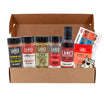
Go bright with Sweet Lemon Pepper, bold with Blackening, savory with Garlic², or classic with Signature.
Frequently Asked Questions
What temperature should swordfish be grilled to?
Cook swordfish to an internal temperature of 145°F, measured in the thickest part with an instant-read thermometer. The flesh should be opaque and separate easily with a fork.
How long does swordfish take on the grill?
A swordfish steak around 1 inch thick typically takes about 4–5 minutes per side over a grill heated to at least 400°F. Thickness and grill temperature vary, so use 145°F internal temperature rather than time alone.
How do you keep swordfish from sticking to the grill?
Preheat the grill thoroughly, clean and lightly oil the grates, pat the swordfish dry, and brush the fish with a small amount of oil. Let the first side develop a seared crust before trying to flip it.
Should you marinate swordfish before grilling?
You can marinate swordfish, but limit acidic marinades containing lemon juice or vinegar to about 15–30 minutes in the refrigerator. Longer exposure to acid can change the fish’s exterior texture.
What seasonings are good on grilled swordfish?
Lane’s Sweet Lemon Pepper, Garlic², Blackening, and Signature all work well with swordfish. Fresh lemon, garlic, thyme, and rosemary are also natural pairings.
Can you grill frozen swordfish?
For the most even cooking and best sear, thaw frozen swordfish safely in the refrigerator before grilling. Pat it completely dry, season it, and grill until the center reaches 145°F.
Why did my grilled swordfish turn out dry?
Swordfish is lean and becomes dry when overcooked. Use steaks of an even thickness, cook over a properly heated grill, and begin checking the internal temperature before the estimated cooking time is finished.


Leave a comment
All comments are moderated before being published.
This site is protected by hCaptcha and the hCaptcha Privacy Policy and Terms of Service apply.