




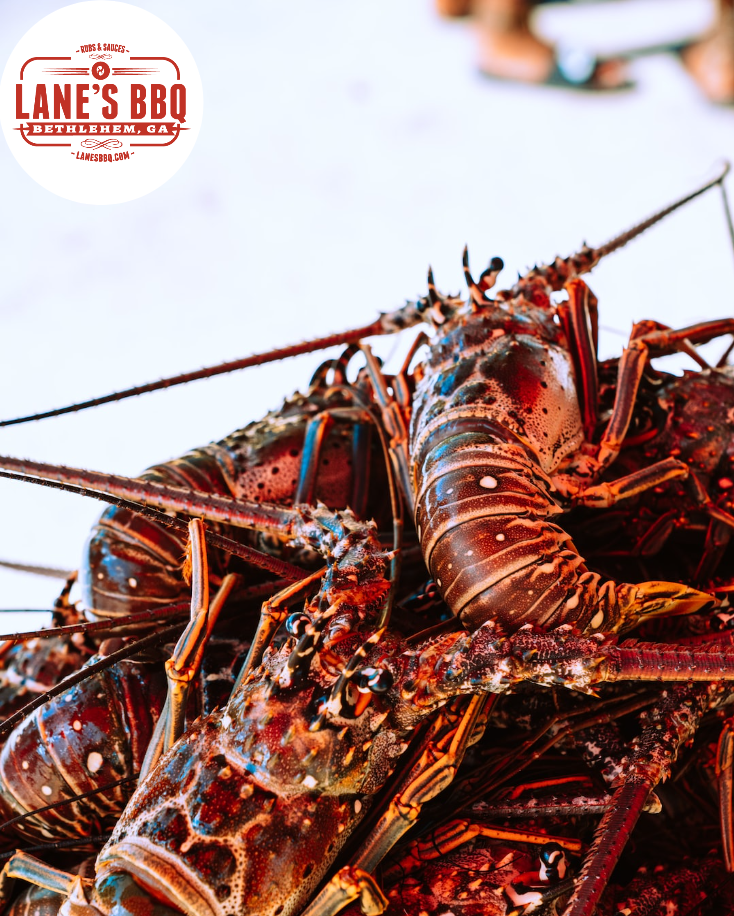
How to Grill Lobster Without Turning It into Expensive Rubber
Grilled lobster looks like a special-occasion production, but the actual cook is surprisingly straightforward. Start with fresh lobster, split it for maximum smoky flavor, season without covering up the meat, and stay close to the grill. Lobster cooks quickly, and the distance between tender and chewy is shorter than the walk back to the kitchen for another drink.
What You'll Need
How to Choose Lobster for Grilling
The original Lane's method starts with live, hard-shell lobsters around 1 1/2–2 pounds. Look for lively movement, intact claws and legs, and a shell that feels heavy for its size. Buy live lobster as close to cooking time as possible and keep it cold until you are ready to begin.
Live Whole Lobster
Choose an active lobster from a reputable seafood market. Hard-shell lobsters usually provide a higher meat yield and hold up well to splitting and grilling.
Fresh Lobster Tails
Look for firm, moist meat with a clean ocean smell. Avoid tails with discoloration, strong ammonia-like odors, or dry edges.
Frozen Lobster Tails
Frozen tails are convenient and grill well when thawed slowly in the refrigerator. Avoid packages with heavy frost, damaged wrapping, or obvious freezer burn.
Keep lobster cold. Store raw lobster at 40°F or below and prepare it promptly. Thaw frozen tails in the refrigerator, never on the counter.
Should You Grill Whole Lobster or Lobster Tails?
Whole Lobster
You get tail, claw, and knuckle meat plus the full backyard showstopper presentation. Parboiling first makes the lobster easier to split and helps the claws finish alongside the tail.
Lobster Tails
Tails are easier to buy, prepare, grill, and serve. They are the best place to start if the phrase “split a whole lobster” is currently lowering morale.
Both methods benefit from a two-zone grill. The hot side builds light browning; the cooler side gives you somewhere to move the lobster before the butter flares or the meat overcooks.
How to Prepare a Whole Lobster for the Grill
This controlled method briefly parboils the lobster before splitting it. It starts the thicker claw meat, makes handling easier, and gives you a more predictable grill finish.
- Chill the lobster. Keep it refrigerated until cooking. Place it in the freezer for about 15–20 minutes immediately before cooking to calm it. Do not freeze it solid.
- Bring salted water to a rolling boil. Use a pot large enough to fully hold the lobster without crowding.
- Remove the claw bands. Use caution and keep hands away from the claws.
- Parboil for 5 minutes. Carefully lower the lobster headfirst into the boiling water and cover the pot.
- Stop the cooking. Transfer the lobster to an ice bath until it is cool enough to handle.
- Split it lengthwise. Place it belly-side down on a stable cutting board. Using a sharp, heavy knife, carefully split through the head and body, then turn it and cut through the tail.
- Clean the halves. Remove the grain sac near the head and the dark intestinal tract from the tail. Rinse away the green tomalley rather than serving it.
- Crack the claws. Give each claw a controlled crack so grill heat and seasoned butter can reach the meat more easily.
Use a stable board and a sharp knife. Lobster shells are hard and slippery. Keep your free hand away from the blade path, work deliberately, and ask your seafood counter to split the lobster if you are not comfortable doing it.
How to Prepare Lobster Tails
Lobster tails can be split completely in half or butterflied through the top shell. Splitting exposes more meat to the grill and is the simplest approach for this method.
- Thaw completely. Place frozen tails in the refrigerator overnight. Pat them dry before cutting.
- Cut through the top shell. Use kitchen shears to cut lengthwise down the center without letting the tail slide around.
- Split through the meat. Use a sharp knife to continue through the meat and bottom shell, creating two equal halves.
- Remove the intestinal tract. Lift out the dark vein if present and rinse the tail briefly under cold water.
- Pat dry. A dry surface holds seasoned butter better and browns more cleanly.
Keep prepared tails refrigerated until the grill is hot and the seasoned butter is ready. Raw shellfish does not need a lengthy countertop meet-and-greet.
How to Season Grilled Lobster
Lobster is naturally sweet and delicate, so season with purpose instead of burying it. The Lane's classic is melted butter, Garlic² Rub, and fresh lemon juice.
Lane's Grilled Lobster Butter
- Melted butter
- Lane's Garlic² Rub, to taste
- Fresh lemon juice
- Optional chopped parsley or chives
Divide the butter before grilling. Use one portion to brush raw lobster and reserve a clean portion for basting near the end or serving at the table. Never dip a brush that touched raw lobster into the serving butter.
More Lane's Flavor Options
Bright and Classic
Sweet Lemon Pepper adds citrus, pepper, and a light sweetness that works naturally with butter.
Sweet with Heat
Sweet Heat Rub brings a warmer finish. Apply lightly so the lobster stays the headliner.
Asian-Inspired
Brush on a thin layer of Pow Pow Marinade during the final minutes to prevent its sugars from burning.
How to Grill Whole Lobster
- Preheat the grill. Set up medium-high heat around 400–450°F with a cooler zone available. Clean and lightly oil the grates.
- Brush the lobster. Coat the exposed meat of each parboiled half with seasoned butter.
- Start shell-side down. Place the lobster halves over direct heat with the shells against the grate. Close the lid and cook for about 4–5 minutes.
- Turn flesh-side down. Flip carefully and grill for roughly 2–4 minutes to build light browning. Butter can cause flare-ups, so stay close.
- Move if necessary. If the meat is browning before it is opaque, return the halves shell-side down over the cooler zone and close the lid.
- Check the meat. The tail and claw meat should be pearly or white and opaque, not translucent or rubbery.
- Finish with clean butter. Transfer the lobster to a clean platter and brush with the reserved butter that never touched raw shellfish.
The original Lane's article used 5–7 minutes per side as a broad estimate. Parboiling first shortens the grill finish, so begin checking sooner. Lobster size, grill heat, shell thickness, and weather all move the clock.
How to Grill Lobster Tails
- Preheat to medium-high. Aim for 400–450°F and create direct and indirect zones.
- Brush the exposed meat. Apply seasoned butter or a light coat of oil and your chosen Lane's seasoning.
- Start flesh-side down. Place split tails over direct heat for about 2–3 minutes, just long enough to develop light color.
- Flip shell-side down. Brush with more butter from the raw-use portion, close the lid, and continue cooking for roughly 4–6 minutes.
- Move to indirect heat if needed. Larger tails may need extra time without additional direct browning.
- Check doneness. Pull the tails when the meat is pearly white, opaque, and just firm.
Times are estimates. Small tails can finish quickly, while large cold-water tails may need several additional minutes. The thermometer and the meat get the final vote; the timer is just an intern.
How to Tell When Grilled Lobster Is Done
What to Look For
- The shell has turned bright red
- The meat is pearly or white and opaque
- The flesh feels just firm, not hard or bouncy
- The thickest tail meat is no longer translucent
What Not to Trust Alone
A red shell does not guarantee the center is cooked. Likewise, cooking strictly by minutes can punish a smaller lobster for the crimes of a larger one. Check the thickest meat rather than relying on color or time alone.
FoodSafety.gov advises cooking lobster until the flesh is pearly or white and opaque. Some cooks also use 145°F as a practical thermometer target for seafood, measured in the thickest part without touching the shell.
Do not keep grilling “just to be safe” after the meat is opaque. Extra time does not improve lobster. It mostly improves your jaw workout.
What to Serve with Grilled Lobster
Keep It Classic
Serve lobster halves with warm seasoned butter, lemon wedges, grilled corn, potatoes, or a crisp green salad.
Make Lobster Rolls
Remove the grilled meat, chop it into large pieces, and tuck it into buttery toasted split-top buns. Add only enough dressing to bring everybody together.
Build a Surf and Turf
Pair grilled tails with steak, grilled vegetables, and potatoes. It is not subtle, but neither is bringing lobster to the backyard.
Let grilled lobster rest only a few minutes before serving. It is best warm, while the meat is tender and the seasoned butter is still doing what butter was put on this earth to do.
Grilled Lobster Troubleshooting
The Meat Is Rubbery
It overcooked. Use slightly lower heat, check earlier, and remove each piece as soon as the meat becomes opaque. Large and small tails do not have to finish together.
The Butter Keeps Flaring
Butter dripping onto direct flame can ignite. Move the lobster to the cooler zone, close the lid, and baste more lightly. A two-zone grill is your emergency exit.
The Outside Is Done but the Center Is Translucent
Move the lobster shell-side down over indirect heat and close the lid. Let surrounding heat finish the center without scorching the exposed meat.
The Meat Stuck to the Shell
It may be undercooked or overcooked. Make sure it is opaque, then loosen the edges carefully with a small fork or knife instead of trying to remove everything in one heroic pull.
Avoid cross-contamination. Use separate utensils and plates for raw and cooked lobster. Wash hands, knives, cutting boards, brushes, and counters after contact with raw shellfish.
Grilled Lobster FAQs
Is it better to grill whole lobster or lobster tails?
Tails are easier to prepare and grill, making them best for beginners. Whole lobsters provide claw and knuckle meat plus a bigger presentation, but they require parboiling, splitting, and more handling.
Should I boil lobster before grilling it?
For whole lobster, parboiling for about 5 minutes before chilling, splitting, and grilling creates a more controlled cook. Raw lobster tails can go directly onto the grill after being fully thawed, split, and seasoned.
What grill temperature is best for lobster?
Use medium-high heat around 400–450°F with both direct and indirect zones. The cooler zone lets you finish the meat without burning the butter or exposed surface.
How long does lobster take on the grill?
Split tails often take roughly 6–9 minutes total, while parboiled whole lobster halves may take about 6–9 minutes to finish. Size, starting temperature, shell thickness, and grill heat all affect timing, so check doneness rather than relying only on the clock.
How do I know when grilled lobster is done?
The meat should be pearly or white, opaque, and just firm. The thickest part should no longer look translucent. Some cooks also use 145°F as a practical seafood target.
Do you grill lobster shell-side down or flesh-side down?
Use both positions. For whole parboiled halves, start shell-side down and briefly finish flesh-side down. For raw split tails, briefly sear flesh-side down, then flip shell-side down to finish more gently.
What seasoning is good on grilled lobster?
Melted butter, Lane's Garlic² Rub, and lemon juice make a classic combination. Sweet Lemon Pepper, Sweet Heat, and Pow Pow Marinade also work when applied lightly enough to preserve the lobster's natural flavor.
Why did my grilled lobster turn rubbery?
Rubbery lobster is usually overcooked. Check it early and remove each piece as soon as the meat becomes opaque and just firm.
Can I grill frozen lobster tails?
Thaw frozen tails completely in the refrigerator before grilling. Fully thawed tails cook more evenly and are easier to split, season, and check for doneness.
Lobster Night, Minus the Panic
Choose good lobster, prepare it safely, keep the seasoning balanced, and build a grill with somewhere cooler to move the food. Then stay close and pull the lobster as soon as the meat turns opaque and tender. It may arrive at the table looking fancy, but the secret is simple: good butter, controlled heat, and knowing when to stop.


Leave a comment
All comments are moderated before being published.
This site is protected by hCaptcha and the hCaptcha Privacy Policy and Terms of Service apply.