






Hibachi Steak, Chicken, and Shrimp on the Griddle
updated 07/30/2026
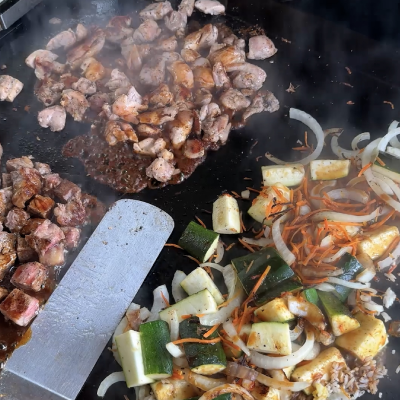
Ready to become the hibachi master of your backyard? Grab your apron and fire up the griddle. This step-by-step guide and video from our buddy Benton Palmer of @grillthissmokethat will show you how to cook hibachi-style steak, chicken, shrimp, fried rice, and vegetables at home without letting one part of dinner get cold while the rest catches up.
Hibachi Ingredients You'll Need
Watch Hibachi Steak, Chicken, and Shrimp on the Griddle
Watch Benton cook the complete meal, then use the written guide below to keep the order and timing straight while your hands are full.
Prep Everything Before the Griddle Gets Hot
Hibachi is all about preparation. Once the cooking starts, it moves quickly, and that is not the ideal time to discover your carrots are still whole and the garlic is hiding in the refrigerator.
Prepare the Rice
Cook the rice the day before, spread it in a shallow container so it cools quickly, and refrigerate it within two hours. Cold rice is drier and separates more easily on the griddle, which helps it fry instead of steaming into a sticky pile.
Cut the Vegetables
Chop the zucchini, carrots, and onions into similar-size pieces so they cook at roughly the same pace. Slice carrots thinner than zucchini because they take longer to soften.
Prepare the Proteins
Keep the chicken, steak, and shrimp separate. Pat the surfaces dry for better browning, season the steak and chicken with Q-Nami, and keep everything refrigerated until the griddle is ready.
Build Your Griddle Station
Set out clean utensils, a thermometer, seasonings, sauces, butter, tallow, garlic, and separate trays for raw and cooked proteins. Once the spatulas start clacking, you want everything within reach.
Keep raw proteins separate. Do not use the same plate or utensils for cooked food unless they have been thoroughly washed. Chicken, steak, and shrimp may finish at different times, so give each one a clean landing spot.
The Best Order for Cooking Hibachi on a Griddle
The biggest challenge is not cooking each ingredient. It is getting the whole feast ready at roughly the same time. Use your griddle's heat zones and follow this general order:
Rice and Vegetables
They need time to brown and soften, and they can be held on a cooler zone while the proteins finish.
Steak and Chicken
Cook them in separate areas and use temperature, not the clock, to decide when each is ready.
Shrimp and Sauces
Shrimp cooks quickly, while Pow Pow goes on near the end so its sugars caramelize without burning.
How to Make Hibachi on the Griddle
-
Prep the rice and vegetables.
Cook and safely chill the rice the day before. Before cooking, break up any cold clumps. Cut the zucchini, carrots, and onions into evenly sized pieces.
-
Preheat the griddle.
Heat the griddle and create a hotter cooking zone plus a slightly cooler holding zone. Add a thin layer of oil, then a little freshly minced garlic.
-
Start the fried rice.
Add the cold rice, season it with Lane's SPG, and break up the clumps. Spread it into a thin layer and let it sit long enough to brown before stirring.
-
Add the vegetables.
On another section of the griddle, add the zucchini, onions, and carrots with Cornhusker Kitchen Wagyu Beef Tallow. Season generously with Lane's Q-Nami. Stir occasionally so the vegetables develop color while cooking evenly.
-
Sear the steak.
Place the Q-Nami-seasoned New York strips on a hot, clean section of the griddle. Let the first side build a brown crust, then flip. The original cook uses roughly 3–4 minutes per side, but thickness and griddle temperature vary, so check the center with a thermometer.
-
Cook the chicken separately.
Add Wagyu beef tallow to a separate clean section and place the seasoned chicken on it. Flip after it develops a good sear and continue cooking until the thickest portion reaches 165°F. Keep raw-chicken utensils away from the rice, vegetables, and cooked food.
-
Keep working the rice.
Stir the rice every few minutes, then spread it back out so more of it contacts the griddle and develops that fried texture.
-
Scramble the eggs into the rice.
Make a well in the rice, crack in three eggs, and scramble them directly on the griddle. Once the whites and yolks are firm, fold the eggs into the rice.
-
Add soy sauce and sesame oil.
Drizzle soy sauce over the rice and add a small amount of sesame oil for a nutty finish. Mix thoroughly, taste, and move the rice to a cooler area when it is ready.
-
Finish and slice the steak and chicken.
Move each protein to a clean board once it reaches its target temperature. Allow the steak to rest before slicing. Cut the meat into bite-size pieces and return it briefly to the griddle if you want more browning on the cut sides.
-
Cook the shrimp last.
Add butter and fresh garlic to a clean section of the griddle. When the garlic becomes fragrant, add thawed, dry shrimp. Cook for about 2–3 minutes per side, depending on size, until the flesh is pearly or white and opaque. Do not wait for the shrimp to curl into tight little rubber bracelets.
-
Add Pow Pow and plate the feast.
Add Lane's Pow Pow near the end so it caramelizes quickly without burning. Plate a scoop of fried rice, vegetables, steak, chicken, and shrimp. Finish with yum yum sauce, sriracha, or Lane's Sorta White BBQ Sauce. Chopsticks or fork, no judgment here.
Hibachi Cooking Temperature Guide
Cooking times are estimates. Ingredient size, starting temperature, griddle heat, and outdoor weather can all change the clock, so use visual cues and a food thermometer.
Cook chicken to an internal temperature of 165°F in the thickest portion.
USDA guidance recommends cooking whole beef steaks to 145°F and resting them for at least 3 minutes.
Cook shrimp until the flesh is pearly or white and opaque. Color alone is not a reliable doneness test.
Reheat previously cooked rice to 165°F and serve it hot.
Pro Tips for Better Hibachi at Home
Do All the Cutting First
Once the griddle is loaded, there is no peaceful pause for chopping carrots. Prep every ingredient and sauce before you start.
Use More Than One Heat Zone
Cook on the hotter side and move finished rice or vegetables to a cooler area. That buys time without turning everything into charcoal confetti.
Do Not Crowd the Griddle
Overcrowding traps steam and makes browning harder. If your griddle is small, cook in batches and keep finished food warm.
Dry the Proteins
Pat steak, chicken, and thawed shrimp dry before seasoning. Less surface moisture means a better sear and fewer puddles.
Add Sweet Sauces Late
Pow Pow caramelizes quickly because of its sugars. Add it near the finish so you get sticky, savory goodness instead of a scorched griddle tattoo.
Clean Between Raw Proteins
Use separate utensils or thoroughly clean them before moving from raw chicken to cooked food. Keep finished ingredients away from raw juices.
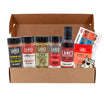
Lane's Flavors for Hibachi Night
Q-Nami Rub
The savory, umami-heavy seasoning Benton uses across the steak, chicken, and vegetables.
Pow Pow Marinade
A sweet-and-savory finishing sauce that caramelizes quickly on the griddle.
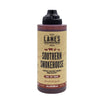
Sorta White BBQ Sauce
A creamy, tangy Alabama-style white sauce made for drizzling over the finished plate.
Hibachi on the Griddle FAQs
What is the secret to crispy hibachi fried rice?
Use cold, day-old rice, break up the clumps, spread it in a thin layer, and let it sit against the hot griddle before stirring. Cooked rice should be cooled quickly in a shallow container and refrigerated within two hours.
What order should you cook hibachi on a griddle?
Start the rice and vegetables first, then cook the steak and chicken in separate zones. Cook shrimp last because it finishes quickly, and add sweet sauces such as Pow Pow near the end so they caramelize without burning.
How do you cook hibachi steak on a griddle?
Season the steak with Lane's Q-Nami and place it on a hot griddle to build a good sear. Flip after roughly 3–4 minutes, depending on thickness and heat, and use a thermometer to check doneness. USDA guidance recommends 145°F with a 3-minute rest for whole beef steaks.
What vegetables are best for hibachi-style cooking?
Zucchini, onions, and carrots hold up well on a griddle and develop excellent browning. Cut them into similar sizes, keeping carrots thinner so everything finishes at roughly the same time.
Can you use frozen shrimp for hibachi?
Yes. Thaw frozen shrimp safely in the refrigerator and pat them thoroughly dry before cooking. Frozen shrimp can produce excellent results and may be fresher than shrimp that has spent several days thawed in a seafood case.
How long should shrimp cook on the griddle?
Shrimp commonly need about 2–3 minutes per side, depending on size and griddle heat. Remove them when the flesh is pearly or white and opaque. Avoid relying only on exterior color.
What is the best seasoning for hibachi chicken?
Lane's Q-Nami adds the savory, umami-forward flavor that works especially well with hibachi-style chicken. Pow Pow, soy sauce, garlic, and a little sesame oil can add more flavor near the end of cooking.
Can you make hibachi without an outdoor griddle?
Yes. Use a large cast-iron skillet or indoor flat-top cooking surface with good ventilation. Cook in batches so the pan stays hot and the ingredients brown instead of steaming.
What is the difference between hibachi and teppanyaki?
Traditional hibachi cooking uses a small open charcoal grill, while teppanyaki uses a flat iron cooking surface. In the United States, “hibachi” is commonly used for the flat-top restaurant style shown in this guide, although the cooking method is technically closer to teppanyaki.
Bring Hibachi Night to Your Backyard
That is it. You have steak, chicken, shrimp, fried rice, and vegetables worthy of a restaurant-style hibachi feast, without leaving the backyard.
Do the prep first, give each ingredient enough room, use temperature instead of guesswork, and add Pow Pow at the finish. Then gather everybody around the table and let them build a plate. Flying shrimp is optional. Good food is not.


Leave a comment
All comments are moderated before being published.
This site is protected by hCaptcha and the hCaptcha Privacy Policy and Terms of Service apply.