








How to Marinate Meat
A good marinade is an easy way to add flavor to chicken, beef, pork, seafood, and vegetables before they hit the grill. The trick is knowing what belongs in the marinade, how long each food should sit, and when more time starts doing more harm than good. This guide covers the basics, recommended marinating times, food safety, and a few Lane's shortcuts for getting dinner on the table with plenty of flavor.
What You'll Need
What Does Marinating Meat Do?
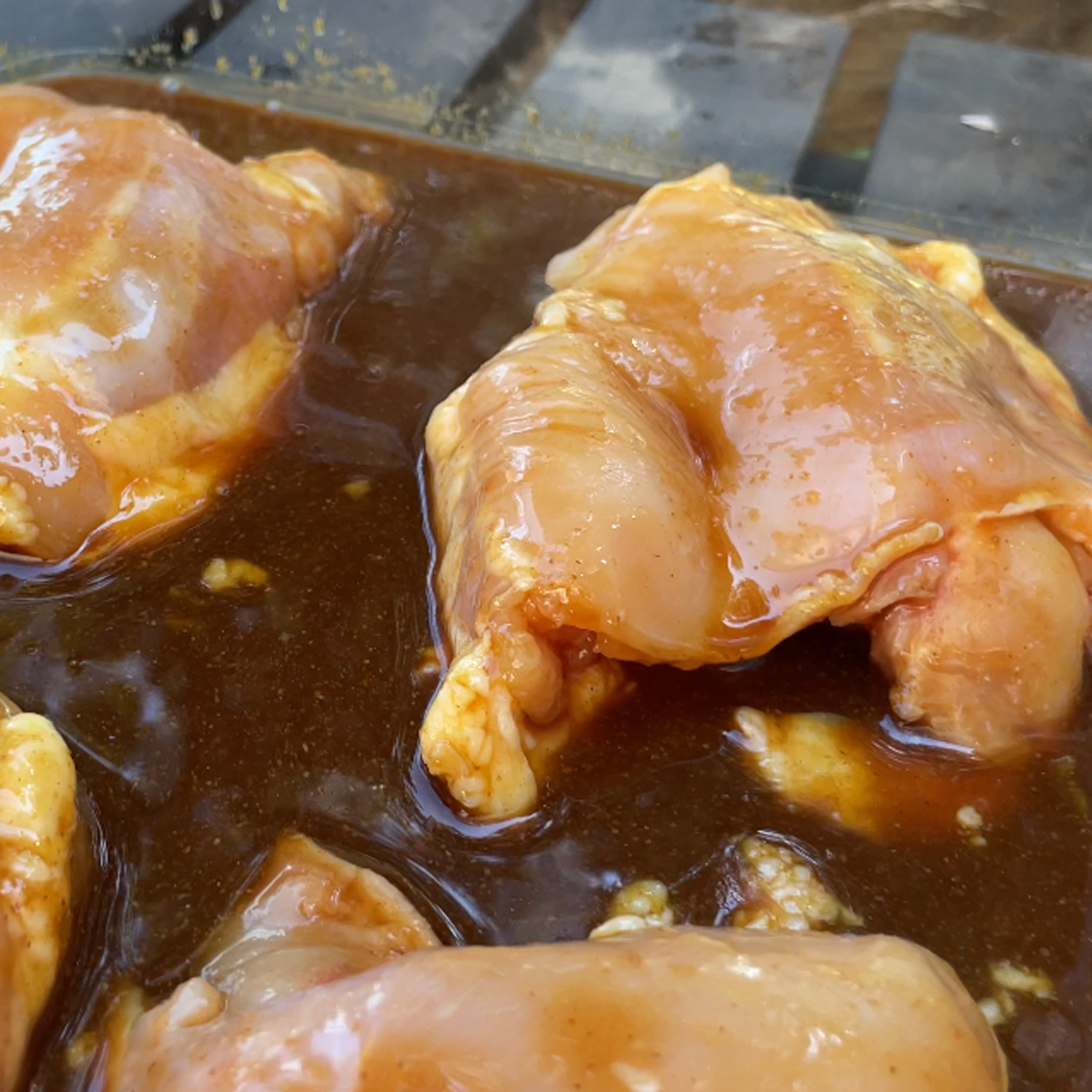
A marinade is a seasoned liquid that surrounds food before cooking. Its main job is to flavor the surface and the area just beneath it. Depending on the ingredients and the cut, a marinade can also help with browning, moisture retention, and some surface tenderization.
Marinades do not soak all the way to the center of a thick steak or magically turn every tough cut tender. Most of their effect happens close to the surface. That is still plenty of room to make dinner taste a whole lot better.
Adds Flavor
Seasonings, aromatics, sauces, and other ingredients build flavor on and just beneath the surface.
Supports Browning
Oil, seasonings, and small amounts of sugar can help create color and caramelization during cooking.
Changes the Surface
Acidic or enzyme-rich ingredients can soften the exterior, but too much time can make it mushy.
What Goes Into a Good Marinade?
Many marinades combine acid, oil, seasonings, and something savory or sweet. You do not have to use every component every time, but understanding what each one contributes makes it easier to create your own.
Citrus or Vinegar
Lemon juice, lime juice, and vinegar add brightness and can soften the surface of meat. Use them carefully because long exposure can make the exterior soft or mealy, especially with seafood.
Olive, Vegetable, or Sesame Oil
Oil carries fat-soluble flavors, helps coat the food evenly, and can reduce sticking during cooking.
Herbs, Spices, and Rubs
Garlic, onion, black pepper, paprika, cumin, rosemary, thyme, and Lane's rubs are where you build the marinade's personality.
Sauces, Soy Sauce, or Honey
Soy sauce and savory sauces add depth, while honey or brown sugar balances acidity and helps browning. Sugary marinades can burn over high heat, so keep an eye on the grill.
Lane's seasonings and sauces make it easy to change directions without rebuilding the whole marinade. Try Signature Rub, One Legged Chicken Buffalo Sauce, or Kinda Sweet BBQ Sauce with complementary ingredients such as oil, soy sauce, garlic, citrus juice, or honey.
How Long Should You Marinate Meat?
Marinating time depends on the protein, thickness, and strength of the marinade. These are practical starting ranges, not a challenge to see how long the bag can live in your refrigerator.
Pieces: 2–12 hours
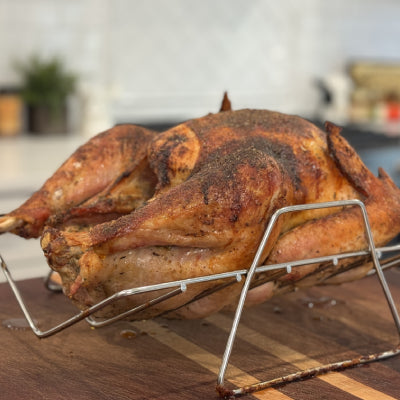
Whole chicken: 4–12 hours
Tender steaks: 30 minutes–4 hours
Flank or skirt steak: 2–8 hours
Chops or tenderloin: 2–8 hours
Larger cuts: 4–12 hours
Acidic marinade: 15–30 minutes
Mild, low-acid marinade: up to about 1 hour
Chops or cubes: 2–8 hours
Larger cuts: 4–12 hours
Most vegetables: 15–30 minutes
Dense vegetables: up to 1 hour
Watch the acid. More time does not always mean more tenderness. Strong citrus- or vinegar-heavy marinades can make the outside of meat soft and can quickly change the texture of fish and shrimp.
How to Marinate Meat Step by Step
-
Choose the marinade.
Use a homemade combination, salad dressing, sauce, or ready-made marinade. Our Pow Pow Marinade is an easy sweet-and-savory option for steak, chicken, shrimp, stir-fry, and more.
-
Set aside any clean sauce you want for serving.
If you want to brush on marinade during cooking or serve some at the table, reserve that portion before raw meat goes into the rest.
-
Add the meat and coat it evenly.
Place the food and marinade in a zip-top bag or covered, food-safe container. Turn or gently massage the bag so the marinade reaches every side.
-
Refrigerate for the recommended time.
Keep the meat at 40°F or below while it marinates. Turn the bag or pieces occasionally if needed for more even contact.
-
Remove the meat and discard the used marinade.
Let excess marinade drip away. For better browning, lightly pat the surface dry when the recipe allows. Do not reuse raw marinade unless you bring it to a full rolling boil first.
-
Cook immediately.
Move the meat from the refrigerator to your preheated grill, smoker, griddle, or pan and cook it to the appropriate safe internal temperature.
How to Marinate Meat Safely
Always marinate in the refrigerator. Never leave raw meat marinating on the counter. Keep it refrigerated at 40°F or below until you are ready to cook.
Prevent Cross-Contamination
Use separate utensils, cutting boards, and plates for raw and cooked foods. Wash your hands and any surfaces that contact raw meat or marinade.
Handle Used Marinade Carefully
Discard marinade that touched raw meat. If you want to reuse it as a sauce, USDA guidance says to bring it to a full rolling boil first. Reserving a clean portion before marinating is easier.
Use a Nonreactive Container
Food-safe plastic bags, glass, stainless steel, and food-safe plastic containers work well. Avoid reactive metals such as aluminum when using acidic marinades.
Cook With a Thermometer
Marinating adds flavor, but it does not make raw meat safe to eat. Use a food thermometer and follow safe internal-temperature guidance for the food you are cooking.
Common Marinating Mistakes
Marinating Too Long
Strong acids and certain enzyme-rich ingredients can turn the surface soft or mushy. Follow the recipe and use shorter times for seafood.
Using Too Much Marinade
The food only needs enough marinade to coat it. A zip-top bag helps a smaller amount stay in contact with more of the surface.
Grilling a Dripping-Wet Surface
Too much liquid can slow browning and cause flare-ups. Let excess marinade drain and pat the surface lightly when appropriate.
Forgetting About Sugar
Honey, brown sugar, and sweet sauces can burn over high heat. Use controlled heat and watch sugary marinades closely.
Reusing Raw Marinade
Once a marinade touches raw meat, it is contaminated. Discard it, boil it as directed by USDA, or use a clean portion you reserved beforehand.
Expecting Deep Tenderizing
Most marinades mainly affect the surface. For thick or naturally tough cuts, slicing across the grain and choosing the right cooking method still matter.
Easy Lane's Marinade Ideas
Sweet & Savory
Use Pow Pow Marinade for steak, chicken, shrimp, vegetables, kabobs, and stir-fry.
Buffalo
Combine One Legged Chicken Buffalo Sauce with a little oil and your favorite Lane's seasoning for chicken or wings.
Classic BBQ
Pair Kinda Sweet BBQ Sauce with oil, a splash of vinegar, and a savory Lane's rub for pork or chicken.
All-Purpose
Mix Signature Rub with oil, garlic, and lemon juice for a simple marinade that works with chicken, pork, or vegetables.
When you want big flavor without measuring six bottles, grab Lane's Pow Pow Marinade. It brings a sweet, savory, Asian-inspired flavor to steak, chicken, shrimp, vegetables, and weeknight stir-fry.
Lane's Recipes Using Marinades
Ready to put all this marinating knowledge to work? Start with one of these Lane's recipes:
Teriyaki Steak Kabobs
Steak, vegetables, and Pow Pow Marinade come together for an easy grill-friendly meal.
Honey Sriracha Shrimp Fried Rice
A sweet, savory, slightly spicy way to bring shrimp and fried rice together.
Lane's Shrimp and Grits
A Southern favorite featuring shrimp marinated with Bear & Burton's W Sauce.
FAQs About Marinating Meat
How long should you marinate meat?
Most chicken and pork can marinate for 2–12 hours, while steaks generally need 30 minutes to 8 hours depending on the cut. Fish and shrimp need much less time, usually 15–30 minutes in an acidic marinade.
Can you marinate meat too long?
Yes. Strong acids and enzyme-rich ingredients can make the exterior of meat soft or mushy when left too long. Seafood is especially sensitive, so follow the recipe's timing instead of assuming longer is better.
Should meat be marinated in the refrigerator?
Yes. Always marinate meat, poultry, and seafood in the refrigerator at 40°F or below. Never leave raw food marinating on the counter.
Can you reuse marinade that touched raw meat?
Do not reuse raw marinade as-is. Discard it or bring it to a full rolling boil before using it as a sauce. The easiest option is to reserve a clean portion before adding the raw meat.
Should you rinse marinade off before cooking?
No. Let excess marinade drip away and lightly pat the surface dry when better browning is the goal. Do not rinse raw meat, because splashing water can spread bacteria around the kitchen.
Can you freeze meat in a marinade?
Yes. Meat can be frozen in a freezer-safe bag with marinade. Thaw it safely in the refrigerator, not on the counter, and remember that the food continues marinating as it thaws.
Does poking holes in meat help marinade penetrate?
It is usually unnecessary. Most marinades flavor the surface and the area just below it. For more even flavor, use thinner cuts, turn the food during marinating, and slice cooked meat across the grain.
What container should you use for marinating?
Use a food-safe zip-top bag or a covered nonreactive container made from glass, stainless steel, or food-safe plastic. Avoid reactive metals such as aluminum with acidic marinades.
Keep Experimenting With Flavor
There are all kinds of marinades out there, and making your own is part of the fun. Start with the basics, keep the food cold, respect the timing, and adjust the acid, sweetness, and seasoning until you find the combinations your family loves.
The best part is getting in the kitchen, having fun with flavor, and sharing the finished meal with friends and family. Happy grilling!


Leave a comment
All comments are moderated before being published.
This site is protected by hCaptcha and the hCaptcha Privacy Policy and Terms of Service apply.