






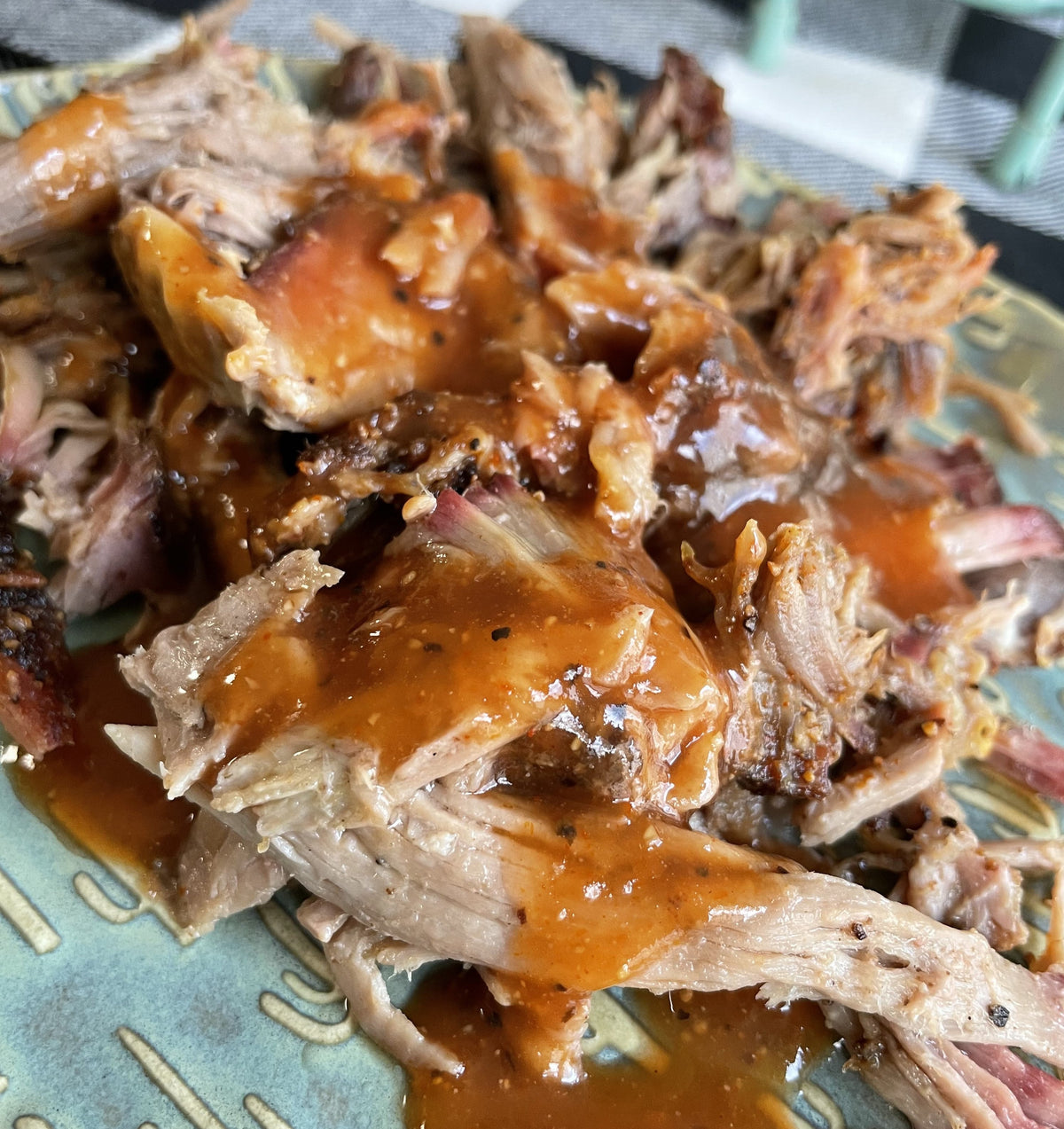
Pork butt tips and hacks for better pulled pork
updated 07/30/2026
Pulled pork is one of the most versatile and forgiving things you can make on a smoker. Once you know the basic process, a few smart adjustments can help you build better bark, add more flavor, protect your serving time, and turn a good pork butt into the one everybody keeps picking at before dinner.
This is not our complete start-to-finish cooking guide. If this is your first pork butt, begin with our How to Smoke a Pork Butt guide. It covers choosing, trimming, seasoning, smoking, wrapping, resting, and pulling the Lane’s way. When you are ready to experiment, come back here for the next chapter.
What You’ll Need
First, Know the Basic Pork Butt Method
Think of this page as the extra-credit guide. You do not need any of these tricks to make excellent pulled pork, and trying every hack at once makes it difficult to learn what actually helped. Get comfortable with the main process, then change one thing at a time.
Use the complete guide
Follow our step-by-step smoked pork butt guide for trimming, seasoning, smoker setup, the stall, wrapping, resting, and pulling.
Use the faster method
Our Hot and Fast Pork Butt guide walks through a higher-temperature option when low and slow does not fit the schedule.
The goal here is not to replace either article. It is to answer the questions that usually show up after the first cook: Can I season earlier? Should I brine it? How do I protect the bark? What happens if it finishes before everybody arrives? And how do I get more flavor into the middle?
Tip 1: Make Time Your Most Important Ingredient
A pork butt does not care what time you told everybody dinner would be. Two roasts of the same weight can finish at different times because shape, fat, bone position, smoker behavior, wrapping, and the stall all affect the cook.
- Work backward from dinner - Start with the time you want to serve, then reserve time for pulling, at least an hour of resting, and a generous cook-time buffer.
- Plan to finish early - An early pork butt can be held warm. A late pork butt produces hungry people standing around the smoker offering opinions nobody requested.
- Watch tenderness, not just temperature - Pulled pork usually becomes ready somewhere around 195–205°F, but the exact number is not the finish line. A probe should slide into several areas with very little resistance.
- Use the buffer for the hold - If the pork finishes early, keep it wrapped and hold it safely until serving. That is a better problem than racing an undercooked roast through the final hour.
Lane’s planning rule: Build at least one extra hour into the schedule. For an important meal, two hours of breathing room feels even better. Nobody has ever complained that the pulled pork was calmly waiting for them.
Tip 2: Give the Seasoning Time to Set
The original article recommended letting the rub sit for 20–30 minutes. That is still a useful window. Salt in the seasoning draws a little moisture to the surface, and that moisture helps turn the dry rub into a tacky coating that stays put on the way to the smoker.
Right before smoking
Perfectly workable when time is tight. The surface of pork butt usually has enough moisture for the seasoning to hold, so a binder is optional.
20–30 minutes ahead
A simple sweet spot that lets the rub hydrate while you finish preparing the smoker.
Several hours ahead
Season the pork in the refrigerator, covered or in a food-safe container. Keep it cold and follow safe raw-pork handling practices.
There is no need to leave raw pork sitting on the counter while the rub works. Seasoning time belongs in the refrigerator. If you also use a salty liquid brine, taste your seasoning strategy as a whole and avoid stacking more salt than the meat needs.
Tip 3: Build Better Bark Without Overthinking It
Great bark comes from seasoning, smoke, heat, surface moisture, and time. It does not come from opening the cooker every 15 minutes to stare at it. That just lets heat out and gives you something else to clean.
- Start with exposed meat. Trim the heavy fat cap so more seasoning can contact meat instead of sitting on a thick layer of fat.
- Apply an even coat. Cover the bottom, sides, and top without creating piles of rub that stay dry and fall off.
- Leave space around the roast. Airflow and smoke need room to circulate.
- Do not overspritz. A dry-looking spot does not require constant spraying. Too much liquid can wash away seasoning and slow bark formation.
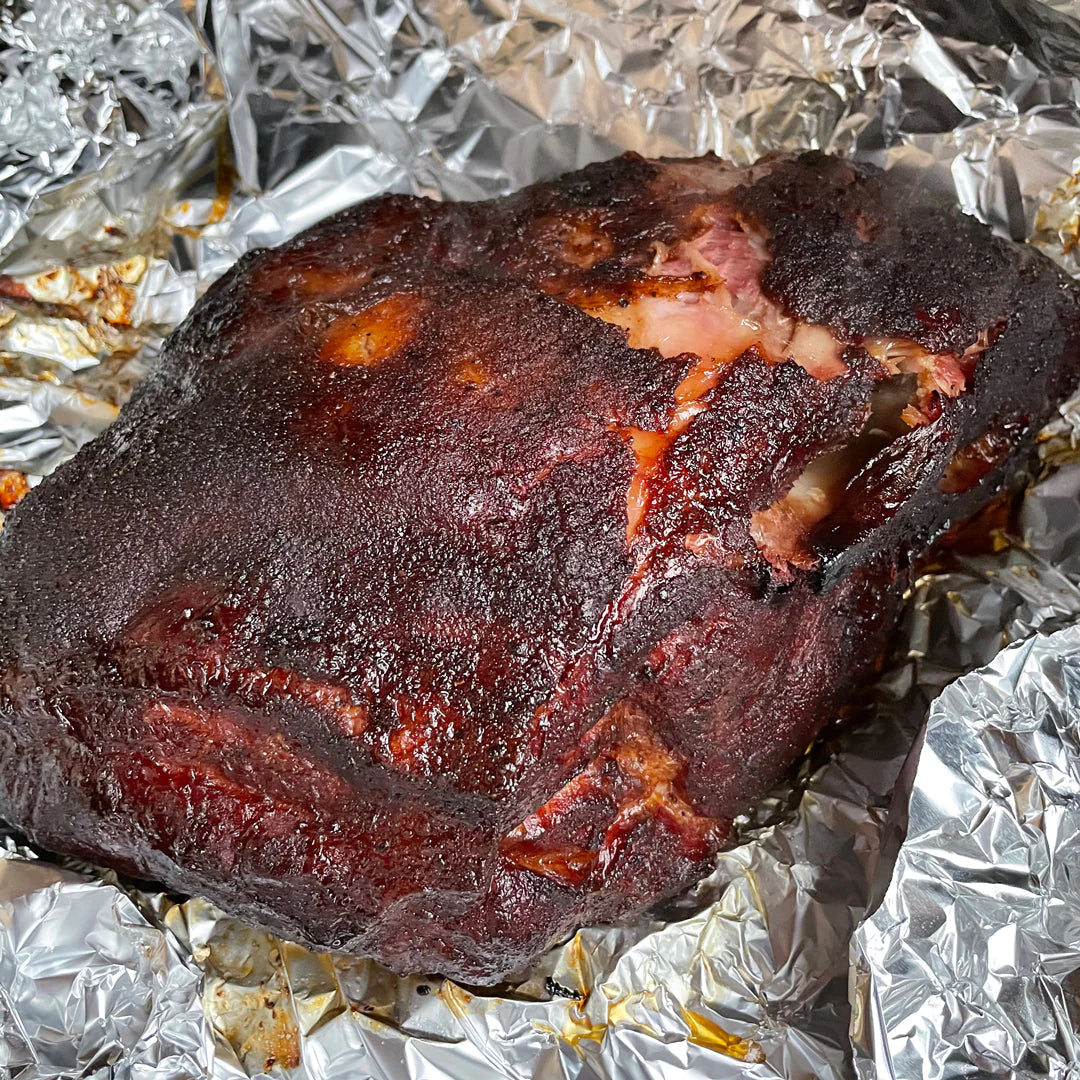
- Wrap when the bark is ready. If you wrap, make sure the bark has the dark color and firm texture you want first. Foil softens bark more than butcher paper, while cooking unwrapped preserves a firmer exterior but usually takes longer.
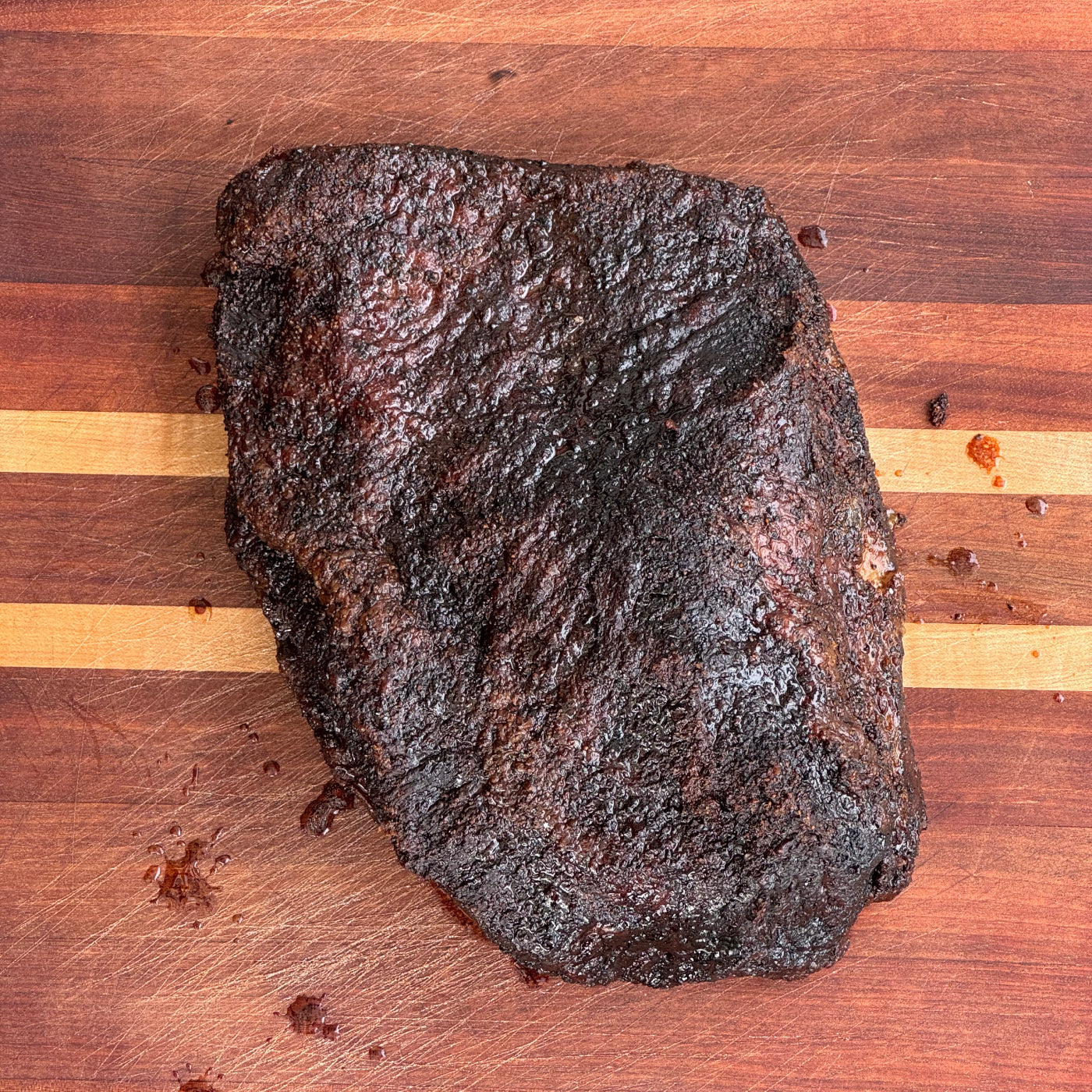
Dark does not automatically mean burned. Proper bark can look nearly black. Judge it by aroma, texture, seasoning, and temperature. If it smells acrid and tastes bitter, that is a different story.
Tip 4: Brine for a Different Layer of Flavor
Pork butt already contains plenty of fat and connective tissue, so it does not require brining to stay juicy. Brining is an optional flavor move, not a rescue plan for overcooking. Its biggest advantage is giving the meat another layer of seasoning beyond the bark.
- Choose the flavor - Lane’s Signature Brine gives you a savory foundation. Sweet Tea Brine adds a sweet Southern direction.
- Follow the package directions - Use the correct water-to-brine ratio and recommended timing rather than guessing at the concentration.
- Keep it refrigerated - Brine raw pork in a food-safe container under refrigeration. Do not reuse the raw brine as a sauce or finishing liquid.
- Dry the surface - Remove the pork from the brine and pat it thoroughly dry so the rub can stick and the bark can develop.
- Season with the brine in mind - The pork has already picked up salt. Apply the exterior rub evenly without treating the bottle like it owes you money.
Our favorite combination from the original article is a Sweet Tea-brined pork butt seasoned with Spellbound Rub. Sweet, savory, smoky, and very difficult to stop sampling.
Tip 5: Try Garlic Lover’s Pulled Pork
This one borrows a move from old-school roast recipes. Whole garlic cloves inserted into the pork soften during the long cook, then mash into the meat when you pull it. The result is noticeably more garlicky than seasoning the outside alone.
- Peel the garlic - Use whole cloves or cut very large cloves in half.
- Make narrow, deep slits - Push a small paring knife straight into the pork at intervals around the roast. Always cut away from your hands and body.
- Push each clove below the surface - No garlic should remain exposed. Exposed pieces can scorch and become bitter during the long smoke.
- Season and smoke normally - Follow the primary pork butt method after inserting the garlic.
- Mash while pulling - The cooked cloves should be very soft. Break them up and distribute them throughout the shredded pork.
Change only this variable the first time you try it. If you brine, add garlic, change rubs, change wood, change temperature, and change the wrap all at once, you will have delicious pulled pork and absolutely no idea which experiment earned the credit.
Tip 6: Turn Resting Time Into Your Scheduling Superpower
Resting gives the pork time to settle before pulling and provides a buffer between the smoker and the dinner table. Keep the finished butt wrapped and place it in a pan to catch any juices. Those juices belong back in the pork, not in the bottom of your cooler.
Short rest
Rest the wrapped pork for at least one hour before pulling. Set it in a pan on the counter if you are serving soon and monitor the time and temperature.
Warm hold
For a longer wait, use a dry insulated cooler or an oven with a dependable warm setting. Monitor the meat with a thermometer and keep it at or above 140°F.
Do not assume every oven’s “warm” setting runs at the same temperature. Check the manual and verify the actual holding temperature. If the pork drops below 140°F and is not being served immediately, follow the two-hour food-safety rule rather than letting it camp out all afternoon.
A cooler does not create heat. It only slows heat loss. Pre-warming the empty cooler with hot water can improve heat retention, but empty and dry it before adding the wrapped pork. Always verify the meat’s temperature during a long hold.
Tip 7: Shred the Pork Without Turning It Into Mush
There are plenty of ways to pull a pork butt, from gloved hands to forks, claws, and electric mixers. We like meat claws because they help move and shred a hot roast without putting your hands directly into the heat.
- Open the wrap over a pan - Save the collected juices and separate excessive rendered fat if needed.
- Remove the bone - When the pork is properly tender, the shoulder bone should release cleanly with very little resistance.
- Find the pieces you do not want - Remove large pockets of unrendered fat, gristle, and cartilage as you work.
- Pull into bite-size strands - Use heat-resistant gloves under food-safe gloves, meat claws, or sturdy forks. Stop before the texture becomes finely minced.
- Mix bark throughout - Break the flavorful exterior into smaller pieces and distribute it so every serving gets some.
Large electric mixers are fast, but they can take pork from beautifully pulled to meat paste in a hurry. If you use one for a big batch, run it slowly and stop early. The machine has no emotional attachment to texture. You do.
Tip 8: Season Before and After Smoking
Most of the rub and smoke flavor starts on the outside of the roast. Once the pork is pulled, that bark gets mixed with a much larger amount of interior meat. Taste before serving and decide what the whole batch needs.
Bring back moisture
Mix in a measured amount of the reserved cooking juices after removing excessive fat. Add gradually so the pork stays juicy without becoming greasy or soupy.
Bring back flavor
Add a light sprinkle of your original rub, finishing salt, brown sugar, butter, hot sauce, or Itsa Vinegar Sauce. Mix, taste, and adjust.
This is where good pulled pork becomes evenly seasoned pulled pork. Add finishing ingredients in small amounts because you can always add more. Removing an accidental half-bottle of sauce is a considerably less elegant operation.
Tip 9: Protect the Leftovers
Pulled pork reheats well, which is one reason we love making a full pork butt. The key is cooling and storing it promptly instead of leaving the entire pan on the counter while everybody goes back for “one last bite” six times.
- Refrigerate pulled pork within two hours of cooking or removing it from safe hot holding. Reduce that to one hour when the surrounding temperature is above 90°F.
- Divide a large batch into shallow containers so it cools more quickly.
- Keep refrigerated leftovers for up to four days, or freeze portions for longer storage.
- Save a little defatted cooking liquid with each portion to help protect moisture.
- Reheat leftovers to 165°F and add sauce after reheating when you want the flavor to stay bright.
Freeze pulled pork in meal-size portions instead of one enormous block. Future you will be very pleased when tacos require one small bag instead of defrosting enough pork to cater a family reunion.
The Best Pork Butt Hack Is Changing One Thing at a Time
Brining, garlic, longer seasoning time, bark management, warm holding, and finishing sauces can all produce excellent pulled pork. None of them is mandatory. The best way to improve is to keep your basic method consistent, test one idea, and pay attention to the result.
Write down the pork’s weight, smoker temperature, seasoning, wood, wrap choice, cook time, finish temperature, hold time, and what you would change. After a few cooks, those notes become your own playbook. That is when a “hack” stops being a trick and becomes your method.
We hope you try one or two of these ideas on your next pork butt. Keep experimenting, keep gathering people around the table, and enjoy the process. Happy grilling!
FAQs — Pork Butt Tips and Hacks
Should I read the main pork butt guide before using these tips?
Yes. If this is your first pork butt, start with Lane’s complete How to Smoke a Pork Butt guide. This article is a companion for cooks who already understand the basic process and want to experiment with seasoning time, brining, bark, garlic, holding, shredding, and finishing.
How far ahead should I season a pork butt?
You can season immediately before smoking, but letting the rub sit for 20–30 minutes gives it time to hydrate and form a tacky coating. You can also season several hours ahead as long as the pork stays covered or in a food-safe container in the refrigerator.
Does brining a pork butt make it juicier?
Pork butt already has enough fat and connective tissue to stay moist when cooked properly, so brining is optional. Its biggest benefit is adding another layer of flavor. Brine under refrigeration, follow the package ratio and timing, and account for the brine’s salt when applying rub.
How can I get better bark on pulled pork?
Trim the heavy fat cap, apply an even layer of seasoning, leave room for airflow, avoid excessive spritzing, and wait until the bark is dark and firmly set before wrapping. Cooking unwrapped gives you firmer bark but generally takes longer.
Can I put whole garlic cloves inside a pork butt?
Yes. Make narrow, deep slits with a paring knife and push peeled garlic cloves completely below the surface. Exposed garlic can scorch and become bitter. The buried cloves should soften during the cook and can be mashed into the pork while pulling.
How long should a pork butt rest before pulling?
Rest the wrapped pork butt for at least one hour. For a longer hold, use a dry insulated cooler or a dependable warm oven and monitor the meat with a thermometer so it remains at or above 140°F.
What is the best way to add flavor after pulling pork?
First mix the bark throughout the meat, then taste. Add reserved defatted juices, a light sprinkle of the original rub, finishing salt, brown sugar, butter, hot sauce, vinegar sauce, or barbecue sauce in small amounts. Mix and taste again before adding more.
How should I store and reheat leftover pulled pork?
Refrigerate pulled pork within two hours in shallow containers and use it within four days, or freeze meal-size portions. Reheat leftovers to 165°F and add a little reserved cooking liquid or sauce to restore moisture.


Leave a comment
All comments are moderated before being published.
This site is protected by hCaptcha and the hCaptcha Privacy Policy and Terms of Service apply.