


Smoking ribs can feel a little intimidating the first time. There is the membrane, the rub, the smoke, the wrapping, the temperatures, and about twelve different opinions on how long everything should take.
The good news is that ribs are much more forgiving than the internet makes them sound. Once you understand what to look for, you can turn out tender, smoky ribs with a sticky bark and a clean bite without treating the whole cook like a science experiment.
This guide walks through how we smoke pork ribs at Lane's, from choosing the rack and removing the membrane to seasoning, wrapping, testing for tenderness, and knowing when dinner is actually ready.
What You'll Need
The Short Version
Remove the membrane, apply a thin binder, and layer on your dry rub. Smoke baby back ribs at 275°F for about two hours, or until the bark has set and the internal temperature is around 165°F.
Wrap the ribs with butter, brown sugar, and Lane's Kinda Sweet BBQ Sauce for about one hour. Unwrap, brush with more sauce, and return them to the smoker for roughly another hour.
Finished ribs are commonly in the 195–203°F range, but do not rely on temperature alone. The rack should bend easily, the surface should begin to crack, and a probe should slide between the bones with little resistance.
The Lane's Rib Timeline
Baby Back Ribs vs. Spare Ribs: Which Should You Smoke?
Not all pork ribs are cut the same, and choosing the right rack will help set your expectations for the cook.
Baby Back Ribs
Baby backs come from the upper part of the rib cage near the loin. They are shorter, leaner, and naturally tender, with much of the meat sitting on top of the bones.
They cook a little faster than spare ribs and are a great place to start when you are new to smoking ribs. The Lane's method and recipe below are built around baby backs.
Spare Ribs
Spare ribs come from lower on the rib cage, closer to the belly. They are larger, flatter, and have more fat running through the meat.
That extra fat brings deeper flavor, but spare ribs usually require a longer cook. They are a great choice when you want a bigger, meatier rib with a little more chew.
St. Louis-Style Ribs
St. Louis ribs are spare ribs trimmed into a more uniform rectangle. The sternum bone, cartilage, and uneven edges are removed.
You get much of the flavor and meatiness of spare ribs in a rack that is easier to season, arrange on the smoker, and slice after cooking.
Bottom line: Both cuts smoke beautifully. Baby backs are a little easier and faster. Spare ribs reward a longer cook with richer flavor. Pick the rack that fits the amount of time you have and the kind of bite you want.
How to Prepare Ribs for the Smoker
Remove the Membrane
On the bone side of the rack, you will usually find a thin, shiny layer called the membrane or silverskin. It is tough, chewy, and does not soften much during the cook.
Leaving it in place can also make it harder for smoke and seasoning to reach the back of the ribs. Removing it takes less than a minute and is worth the trouble.
- Flip the rack bone-side up. Look for the thin, slightly shiny membrane covering the bones.
- Loosen one edge. Slide a butter knife or the tip of a spoon underneath the membrane near the middle or end of the rack.
- Grab it with a paper towel. The membrane is slippery. A dry paper towel gives you enough grip to hold onto it.
- Pull firmly and steadily. It will often peel away in one piece. If it tears, loosen another edge and keep going.
Lane's tip: Some racks are sold with the membrane already removed. If you cannot find it after a good look, there is a decent chance the butcher beat you to it.
Do You Need to Trim Ribs?
Baby back ribs usually need very little trimming beyond removing the membrane. Cut away any loose pieces of meat or fat that are likely to burn during the cook.
Full spare ribs may have a thin flap of meat on the bone side called the skirt. Trimming that flap helps the rack cook more evenly. St. Louis-style ribs have already been squared up for you.
How to Season Smoked Ribs
Choose a Binder
A binder gives the seasoning something to grab onto. You only need a thin coat. The goal is to help build an even layer of rub, not bury the ribs under half a bottle of mustard.
Olive Oil
Neutral, simple, and reliable. It helps the rub stick without adding much noticeable flavor.
Yellow Mustard
A backyard classic. The mustard flavor softens during the cook and works especially well with sweet and smoky pork rubs.
Mayonnaise
It may sound strange, but a light coating can help with moisture and bark. Just remember that “light coating” is doing some work in that sentence.
Layer the Rub
We like to layer two seasonings because each one brings something different to the rack.
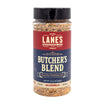
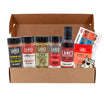
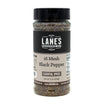
- Start with Lane's Brisket Rub. Apply a light base layer to both sides. Its salt, pepper, and garlic foundation seasons the pork and gives the bark a savory backbone.
- Finish with Lane's Spellbound Rub. Apply it generously over the Brisket Rub. Spellbound brings the sweet, smoky, slightly warm flavor that works so well with pork.
Let the seasoned ribs sit for about 30 to 45 minutes while the smoker comes up to temperature. The rub will begin drawing moisture from the surface and take on a wet, glossy appearance. That is exactly what you want.
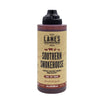
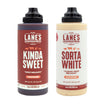
The classic Lane's combination is Brisket Rub, Spellbound, and Kinda Sweet BBQ Sauce.
Planning to smoke both ribs and a pork butt? The Pulled Pork & Ribs Bundle gives you the core seasonings and sauce for both cooks in one place.
Other Flavor Combinations
- Sweet Heat + Spicy N' Sweet: A sweet BBQ profile with a little extra kick.
- Island Dust: A sweet, tropical-inspired option with honey and a warm pepper finish.
- Scorpion: For the people at the table who believe ribs should fight back.
How to Smoke Ribs: The Lane's 2-1-1 Method
You have probably seen the traditional 3-2-1 rib method: three hours unwrapped, two hours wrapped, and one final hour unwrapped with sauce.
That method can work well for a large rack of spare ribs, but two full hours wrapped is often too long for baby backs. They can move past tender and into soft, mushy territory while losing much of the bark you worked to build.
For baby backs, we use a modified 2-1-1 method at 275°F. The times are guidelines, but the structure is simple.
Smoke Unwrapped
Build smoke flavor and set the bark.
Cook Wrapped
Tenderize with butter, brown sugar, and sauce.
Finish Unwrapped
Set the sauce and cook until tender.
Step 1: Set Up the Smoker
Preheat the smoker to 275°F and set it up for indirect cooking. Add cherry, apple, pecan, or a light blend that will complement the pork without overpowering it.
Step 2: Smoke the Ribs Unwrapped
Place the ribs on the smoker meat-side up. Let them cook for about two hours without constantly opening the lid.
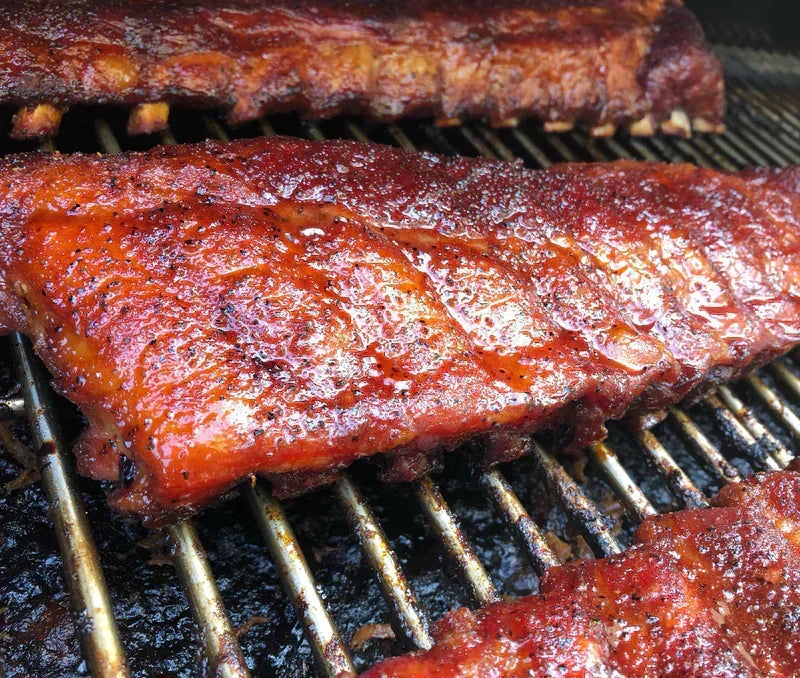
At this stage, you are looking for a deep mahogany color, a bark that no longer wipes away when lightly touched, and an internal temperature near 165°F.
You may lightly spritz the ribs every 45 to 60 minutes with apple juice, apple cider vinegar, or a mixture of both. Spritzing is optional. Too much can cool the smoker and wash away the bark.
Step 3: Wrap the Ribs
Create a foil boat or use a large sheet of heavy-duty aluminum foil. Add butter, brown sugar, a little more seasoning, and Kinda Sweet BBQ Sauce.
Place the ribs meat-side down into the mixture and wrap them tightly. Return the wrapped ribs to the smoker for about one hour.
Step 4: Unwrap and Set the Sauce
Carefully remove the ribs from the foil and place them back on the smoker meat-side up. Brush on a light, even layer of sauce.
Cook for approximately another 45 minutes to one hour, checking for tenderness as you go. The sauce should become tacky and glossy without burning.
Remember: The clock gives you a plan. The ribs tell you when they are done. Rack thickness, smoker behavior, outside temperature, and even the individual pig can shift the cook time.
What Temperature Should You Smoke Ribs At?
This is the Lane's sweet spot for balancing smoke, bark, tenderness, and a cook that does not take the entire day.
Wrap once the bark is set and the ribs have taken on good color.
Use this as a reference, then confirm tenderness with the bend and probe tests.
How Long Do Baby Back Ribs Take?
At 275°F, baby back ribs generally take about four to five hours using the Lane's method. At 225°F, expect closer to five or six hours, and sometimes longer.
How Long Do Spare Ribs Take?
Spare ribs are larger and contain more fat and connective tissue, so they usually need additional time. At 275°F, plan for approximately five to six hours, but start checking the rack rather than watching the clock like it owes you money.
How Do You Know When Smoked Ribs Are Done?
Ribs are thin, curved, and full of bones, which makes getting one perfect thermometer reading tricky. Use several signs together instead of relying on one number.
The Bend Test
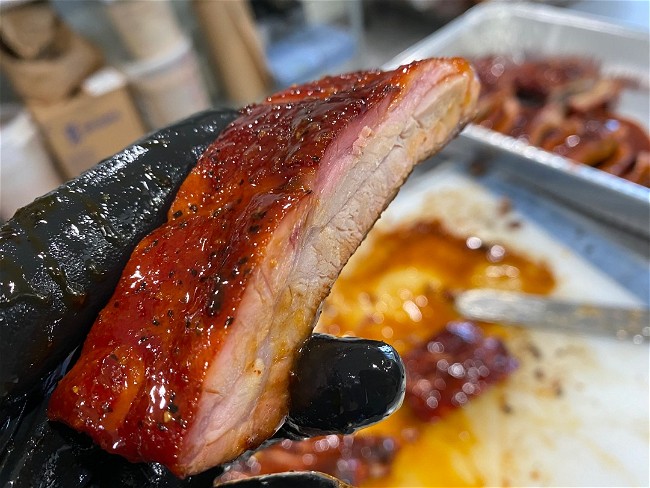
Pick up the rack near the center with tongs and let one end hang downward. Properly cooked ribs should bend easily, and the bark on the surface should begin to crack.
If the rack stays stiff and barely bends, it needs more time.
The Probe or Toothpick Test
Slide a toothpick or thin temperature probe into the meat between two bones. It should enter with very little resistance, similar to pushing into softened butter.
Bone Pullback
As the ribs cook, the meat will usually pull back slightly from the ends of the bones. A little exposed bone is a good sign, but do not use it as your only test.
Internal Temperature
Finished ribs are commonly in the 195–203°F range. Take readings in the thickest meat between the bones, being careful not to let the probe touch a bone.
Fall-off-the-bone or clean bite? That comes down to preference. Competition-style ribs usually have a tender bite that pulls cleanly from the bone without the entire rack falling apart. Softer backyard ribs may cook a little longer. The correct answer is whichever one gets eaten first at your table.
Let the Ribs Rest
Rest the ribs for about 10 to 15 minutes before slicing. That gives the juices time to settle and lets the glaze firm up slightly.
Flip the rack bone-side up when slicing so you can clearly see the gaps between the bones. Your knife and your serving platter will both have a better afternoon.
Best Wood for Smoking Pork Ribs
Pork works especially well with mild and slightly sweet woods. You want smoke that supports the rub and sauce instead of elbowing them out of the way.
Cherry
Our favorite for ribs. Cherry adds a mild sweetness and helps create a deep mahogany color on the bark.
Apple
Mild, sweet, and easy to pair with pork. Apple is a dependable choice when you want smoke flavor without anything too aggressive.
Pecan
A little richer and nuttier than apple or cherry. Pecan adds more depth while remaining smooth enough for a longer cook.
Hickory
Bold and familiar. Use it lightly or blend it with apple or cherry so it does not overpower the pork.
What about mesquite? Mesquite is strong and can turn bitter during a long cook. We generally leave it out of the rib smoker or use only a very small amount in a blend.
Common Smoked Rib Mistakes
It takes less than a minute to remove and prevents a chewy layer from being left across the back of the rack.
Time is a planning tool, not a doneness test. Use temperature, tenderness, bend, and appearance together.
Every peek releases heat and extends the cook. Trust the smoker and check only when you have a reason.
BBQ sauce contains sugars that can burn. Apply it toward the end so it has time to set without turning bitter.
Baby backs can become overly soft when left wrapped for two full hours. Start with about one hour and check the rack.
Give the ribs 10 to 15 minutes before slicing. You have already waited several hours. This is not the moment to lose patience.
Frequently Asked Questions About Smoked Ribs
How long does it take to smoke baby back ribs?
At 275°F, baby back ribs generally take about four to five hours using the Lane's modified 2-1-1 method. At 225°F, expect closer to five or six hours. Treat those times as estimates and verify doneness with temperature and tenderness tests.
What temperature should smoked ribs be when done?
Smoked ribs are commonly finished in the 195–203°F range. Because bones can interfere with an accurate reading, also use the bend test and slide a toothpick or probe between the bones. It should go in with very little resistance.
Do I need to remove the membrane from ribs?
We recommend removing it. The membrane stays chewy during cooking and can block seasoning and smoke from reaching the bone side of the rack. Use a spoon or butter knife to loosen it, then grip it with a dry paper towel and pull.
What is the best wood for smoking pork ribs?
Cherry and apple are our top choices because they add mild, slightly sweet smoke and produce excellent bark color. Pecan is another great option. Hickory works well in moderation or blended with a milder wood.
What is the difference between baby back and spare ribs?
Baby backs come from higher on the rib cage and are shorter, leaner, and naturally tender. Spare ribs come from lower near the belly and are larger, fattier, and more flavorful. Baby backs normally cook faster, while spare ribs can handle a longer cook.
Can I smoke ribs on a pellet grill?
Absolutely. Pellet grills are well suited to ribs because they hold a steady temperature with very little babysitting. Set the grill to 275°F, use apple or cherry pellets, and follow the same general method.
Should I spritz ribs while smoking?
You can, but it is not required. Apple juice, apple cider vinegar, or a 50/50 mixture of both works well. Spritz lightly every 45 to 60 minutes during the unwrapped phase. Spritzing too often releases heat and can wash seasoning from the surface.
Is the 3-2-1 method good for baby back ribs?
It can work, but two hours wrapped is often too long for smaller baby backs. They may become overly soft and lose their bark. We prefer a modified 2-1-1 approach at 275°F for baby back ribs.
Should smoked ribs fall off the bone?
That depends on what you enjoy. Competition-style ribs should be tender but hold together until you bite them. Many backyard cooks prefer softer ribs that pull more easily from the bone. Cook them to the texture your family likes.
Ready to Put Some Ribs on the Smoker?
Remove the membrane, build a good layer of seasoning, keep the smoker steady, and let tenderness make the final call. The process is easier than it looks, and the results tend to disappear quickly.
How to Smoke Ribs: Our Step-by-Step Video
Watch the full process below, then use the recipe as your cooking checklist when it is time to fire up the smoker.


9 comments
Dean Wilcox
Cooking ribs today for our 57th anniversary dinner! Can’t waot Ryan for the finished product. Love your rubs and guidance for a special dinner for Ms Patsy. Blessing to your family!
Laura Badeau
Usually ribs are my husband’s Sunday grill choice, this weekend I wanted to do a rib take-over – results?? AMAZING!! Baby backs on the BGE at 275, added bourbon soaked pecan chunks, was out of Spellbound but had Combo Scorpion on hand and used Franklin’s BBQ Original sauce (b/c we’re in TX) no butter, no brown sugar. Flavor profile is perfect, cooking times are spot on, my go to from now on!
Scott Carter
Weather it’s pork, beef, or chicken, you can’t go wrong with the tips and suggestions from Lane’s. I’m working my way through the recipes. Next week will be the Cuban cigars!!!
Thank you for all the hard work and sharing you do!!!!!!
James Taylor
Never fails. Way better than 3-2-1. Appreciate it
Rich Bardon
I tried this method…it’s my go to now…no more googling, no more youtubing etc etc….this is nails!
Leave a comment
All comments are moderated before being published.
This site is protected by hCaptcha and the hCaptcha Privacy Policy and Terms of Service apply.