







How to Grill the Perfect Steak
There is a big difference between a “pretty good” steak and a steak that makes people stop talking after the first bite. We are going for the second one. Grilling the perfect steak is not complicated, but a few things matter more than people think: the cut, the seasoning, the grill temperature, the internal temperature, and the rest. Get those right and you are in business every time.
What You'll Need
Quick Answer: How Do You Grill the Perfect Steak?
Start with a dry steak, season it generously, preheat the grill to high heat, sear both sides, cook to your preferred internal temperature, and rest it for 5–10 minutes before slicing. For medium-rare, aim for a finished internal temperature of 130–135°F.
The Lane's way: Get the grill hot, season like you mean it, cook to temperature instead of guessing, and give the steak time to rest. No need to make it weird.
Best Steaks for Grilling
Not all steaks are built the same. Some are forgiving, some need a little more attention, and some are just flat-out made for the grill.
Ribeye
Ribeye is rich, beefy, and loaded with marbling. That fat helps keep the steak juicy and gives you a ton of flavor. If you want a steak that is hard to mess up, ribeye is usually the move.
New York Strip
New York strip gives you a great balance of tenderness and bold beef flavor. It is leaner than ribeye but still has enough fat to grill beautifully.
Filet Mignon
Filet is all about tenderness. It does not have as much fat as ribeye or strip, so it benefits from a good seasoning, a strong sear, and a little butter at the finish.
Sirloin
Sirloin is a solid everyday grilling steak. It is leaner, usually more budget-friendly, and works great for steak dinners, salads, bowls, sandwiches, and meal prep.
Skirt Steak
Skirt steak is thin, cooks fast, and loves marinades. Medium-rare to medium is where it shines, and slicing against the grain is non-negotiable.
Flank Steak
Flank steak is lean and beefy. It benefits from a marinade, a hot grill, careful temperature control, and thin slices across the grain.
Lane's pick for the best all-around steak rub: Steak Supreme brings bold, balanced flavor that works on ribeye, strip, filet, sirloin, and just about anything beefy.
How to Prepare Steak for the Grill
- Pat the steak dry. Surface moisture gets in the way of browning. Dry meat gives you a better shot at that crusty, steakhouse-style exterior.
- Trim only what needs trimming. Remove loose pieces and thick, hard exterior fat, but leave the marbling and a reasonable fat edge in place.
- Let it sit briefly before grilling. About 20–30 minutes outside the refrigerator can take some of the chill off while you preheat the grill. Do not leave raw meat sitting out for an extended period.
- Check the thickness. A 1-inch steak is usually best over direct heat. Steaks 1.5 inches or thicker are often easier to control with a two-zone or reverse-sear method.
Do not wash raw steak. Pat it dry with paper towels instead. Rinsing raw meat can spread bacteria around the sink and nearby surfaces.
How to Season Steak
Steak can handle seasoning. Do not dust it like you are afraid of it. Cover the surface evenly and give the seasoning a little time to work before the steak goes on the grill.
Steak Supreme
Best for classic steak night. It is bold, balanced, and built to bring out the flavor in beef without covering it up.
Brisket Rub
Best for a bold, savory crust with salt, pepper, and garlic-style flavor plus a little more backyard BBQ attitude.
Shake & Steak
Best for big steakhouse-style flavor and a mouthwatering crust on grilled steak.
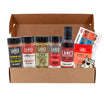
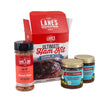
Not sure which steak rub to choose? The Ultimate Steak Seasoning Set gives you multiple steak-ready flavors so you can match the rub to the cut, the cook, or whoever is standing around the grill acting like they are “supervising.”
Preheat and Set Up the Grill
Hot means hot. If the grill is not fully preheated, you are not searing the steak—you are slowly warming it up and hoping for the best. Give the grill and grates enough time to heat completely before the steak goes on.
- Clean the grates. Brush away old food and buildup so the steak makes clean contact with the grill.
- Preheat to 450–500°F. High heat helps create the browned crust that makes grilled steak taste like grilled steak.
- Create two heat zones when possible. Keep one side hot for searing and one side cooler for finishing thicker steaks or escaping flare-ups.
- Oil the grates lightly if needed. Use a high-smoke-point oil and apply it carefully to reduce sticking.
For more help managing grill zones, read our Direct vs. Indirect Grilling Techniques guide.
How to Grill the Perfect Steak Step-by-Step
- Start with a dry, seasoned steak. Pat it dry, season both sides and the edges, and let the seasoning settle while the grill heats.
- Place the steak over direct high heat. Lay it on the hottest part of the grill.
- Sear and leave it alone. Do not poke it, mash it, or move it every 15 seconds like it owes you money. Give the first side time to build a crust.
- Flip with tongs. Turn the steak and sear the second side. For a 1-inch steak, start with about 4–6 minutes per side, then check the temperature.
- Move thicker steaks to indirect heat if needed. If the outside looks right before the center is done, move the steak away from direct flame and close the lid.
- Check the internal temperature. Insert an instant-read thermometer into the thickest part from the side when possible, avoiding bone and large pockets of fat.
- Pull it before it overshoots. The steak may rise a few degrees while resting, so remove it slightly before your final target when appropriate.
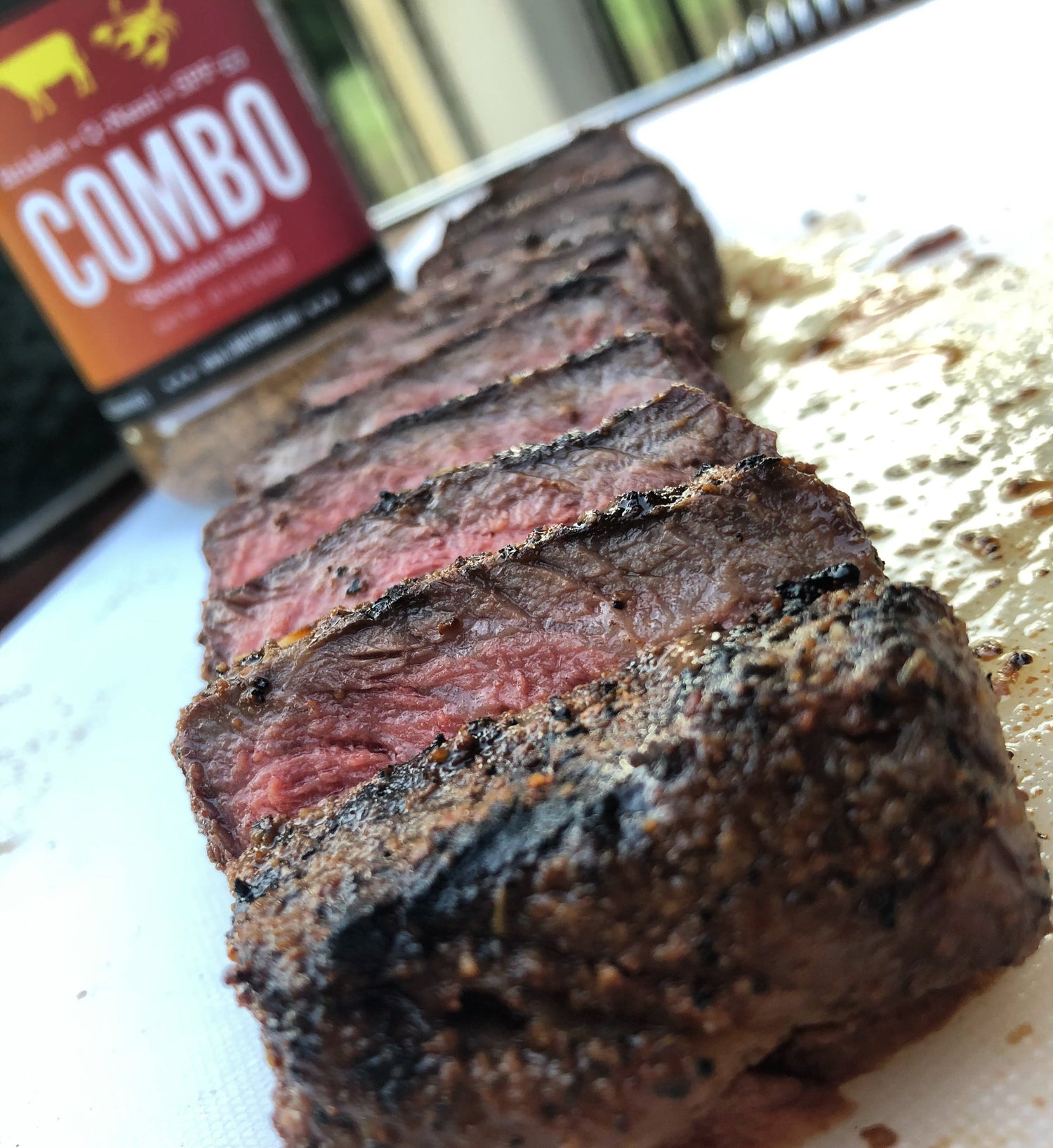
- Rest for 5–10 minutes. This lets the juices settle instead of running all over the cutting board.
- Slice against the grain. Cut across the visible muscle fibers, especially with sirloin, flank, skirt, and tri-tip.
Steak Doneness Temperature Chart
If you want consistent steak, stop guessing. A meat thermometer is your best friend here.
| Doneness | Internal Temperature | What to Expect |
|---|---|---|
| Rare | 120–125°F | Cool red center |
| Medium-Rare | 130–135°F | Warm red center, juicy and tender |
| Medium | 140–145°F | Warm pink center |
| Medium-Well | 150–155°F | Slight pink center |
| Well-Done | 160°F+ | Little to no pink |
Steak is done based on internal temperature, not color alone. Medium-rare is 130–135°F, medium is 140–145°F, and well-done is 160°F or higher. For the best balance of tenderness and flavor, medium-rare is usually the sweet spot.
Ground beef is different. These temperatures apply to whole-muscle steaks. Hamburgers and other ground-beef dishes should be cooked to the appropriate safe internal temperature for ground meat.
How Long to Grill Steak
Time depends on thickness, grill temperature, starting temperature, and how done you like your steak. Use these ranges as a starting point, but always cook to internal temperature.
| Steak Thickness | Approximate Grill Time | Best Method |
|---|---|---|
| 1 inch | About 4–6 minutes per side | Direct heat |
| 1.5 inches | About 5–7 minutes per side | Direct heat with an indirect zone, or reverse sear |
| 2 inches | Cook low first, then sear | Reverse sear |
Most 1-inch steaks take about 4–6 minutes per side over high heat for medium-rare. Thicker steaks may need 5–7 minutes per side or a reverse-sear method for better control.
Direct Heat vs. Reverse Sear
There are two main ways to grill steak. Both work. The right method depends mostly on the thickness of the steak.
Direct Heat
Direct heat is hot and fast. It is best for thinner steaks around 1 inch thick. You get a quick sear, a solid crust, and dinner on the table without turning the cook into a science project.
Reverse Sear
Reverse sear is best for thick steaks, usually 1.5 inches or thicker. Cook the steak slowly over indirect heat first, then finish it over high heat for the crust. This gives you more even doneness from edge to edge.
Cook Low
Place a thick steak over indirect heat and cook gently until it is about 10–15°F below your final target.
Sear Hot
Move the steak over high direct heat and sear both sides until the crust is where you want it.
Rest
Let the steak rest for 5–10 minutes before slicing and serving.
Should You Dry Brine Steak?
If you have the time, yes. Dry brining is one of the easiest ways to make steak taste better. Season the steak ahead of time and let it rest uncovered in the refrigerator. The salt works its way into the meat, helps with moisture retention, and dries the surface for a better crust when it hits the grill.
30–60 Minutes
Even a short rest gives the seasoning time to settle and can improve the surface of the steak.
Several Hours
A longer refrigerator rest allows more time for the salt to work into the meat.
Overnight
Overnight dry brining is especially helpful for thicker steaks and gives the outside plenty of time to dry.
Want to go deeper? Read our full Secrets of Dry Brining guide.
Pro Tips for Better Grilled Steak
- Use a thermometer if you want repeatable results.
- Season earlier when you can, especially on thicker cuts.
- Use high heat for crust, but move the steak to indirect heat if the outside is cooking too quickly.
- Control flare-ups. Move the steak instead of letting flames burn the exterior.
- Finish with butter or a small pinch of seasoning just before serving.
- Slice against the grain, especially on sirloin, flank, skirt, and tri-tip.
- Cook steaks of similar thickness together so they finish closer to the same time.
Common Steak Mistakes
If the grill is not hot, you will not get the crust you are looking for. Preheat it and give the grates time to heat completely.
Moisture creates steam and slows browning. Pat the surface dry before seasoning and grilling.
Steak is thick, rich, and beefy. It needs enough seasoning to stand up to the meat.
Let the steak sit long enough to build a crust before moving it. Constant motion makes browning harder.
There is no need to mash the steak into the grates. You are grilling dinner, not testing a doorbell.
Time gets you close. Temperature gets you right. Thickness and grill heat can change the cook dramatically.
Cut into a steak too early and the juices run everywhere. Give it 5–10 minutes. Your patience will be rewarded.
Especially on skirt, flank, sirloin, and tri-tip, slicing across the grain makes a noticeably more tender bite.
More Steak and Beef Recipes to Try
Smoked Tri-Tip with Chimichurri
Smoky beef, a good crust, and a bright chimichurri finish.
Grilled Beef Tenderloin
A full guide for grilling a larger, extra-tender cut of beef.
Grilled Skirt Steak
Hot-and-fast instructions for one of the most flavorful cuts on the grill.
Teriyaki Steak Kabobs
A family-friendly way to put steak and vegetables on the same skewer.
How to Smoke a Brisket
Ready for a longer beef cook? Start with our complete brisket guide.
Steak FAQ
What temperature is steak done?
Steak is done based on internal temperature. Medium-rare is 130–135°F, medium is 140–145°F, and well-done is 160°F or higher.
How long should you grill steak?
Most 1-inch steaks take about 4–6 minutes per side over high heat for medium-rare. Thicker steaks may take longer or work better with a reverse sear. Always confirm doneness with a thermometer.
Should you grill steak with the lid open or closed?
For thin steaks, grilling with the lid open works well because they cook quickly. For thicker steaks, closing the lid helps cook the inside more evenly, especially after the initial sear.
Should you flip steak more than once?
You can flip steak more than once, but flipping once is simple and gives each side time to build a strong crust. The most important thing is not constantly moving it around.
How long should steak rest after grilling?
Let steak rest for 5–10 minutes after grilling. Larger or thicker cuts may benefit from a slightly longer rest.
Do you need oil on steak before grilling?
You do not always need oil. A light coating can help seasoning stick and support browning, but too much oil can cause flare-ups. You can also lightly oil clean grill grates instead.
How do you get a good crust on steak?
Pat the steak dry, season it well, fully preheat the grill, place the steak over high heat, and leave it alone long enough to brown before flipping.
Should you cut steak before or after resting?
Rest the steak whole, then slice it. Cutting too early lets more juice escape onto the cutting board.
Final Thoughts
Grilling a great steak comes down to doing a few things really well: start with a good cut, season it right, get the grill hot, cook to temperature, and let it rest.
That is it. No need to make it weird.
Once you get the basics dialed in, you can start playing with different cuts, rubs, cooking methods, and finishes. That is where steak night gets fun—and where everybody starts finding a reason to hang around the grill.
Ready to Upgrade Steak Night?
Build your steak lineup with Steak Supreme, Brisket Rub, Shake & Steak, or grab the Ultimate Steak Seasoning Set and keep your options open.


Leave a comment
All comments are moderated before being published.
This site is protected by hCaptcha and the hCaptcha Privacy Policy and Terms of Service apply.