







How to Reverse Sear a Steak
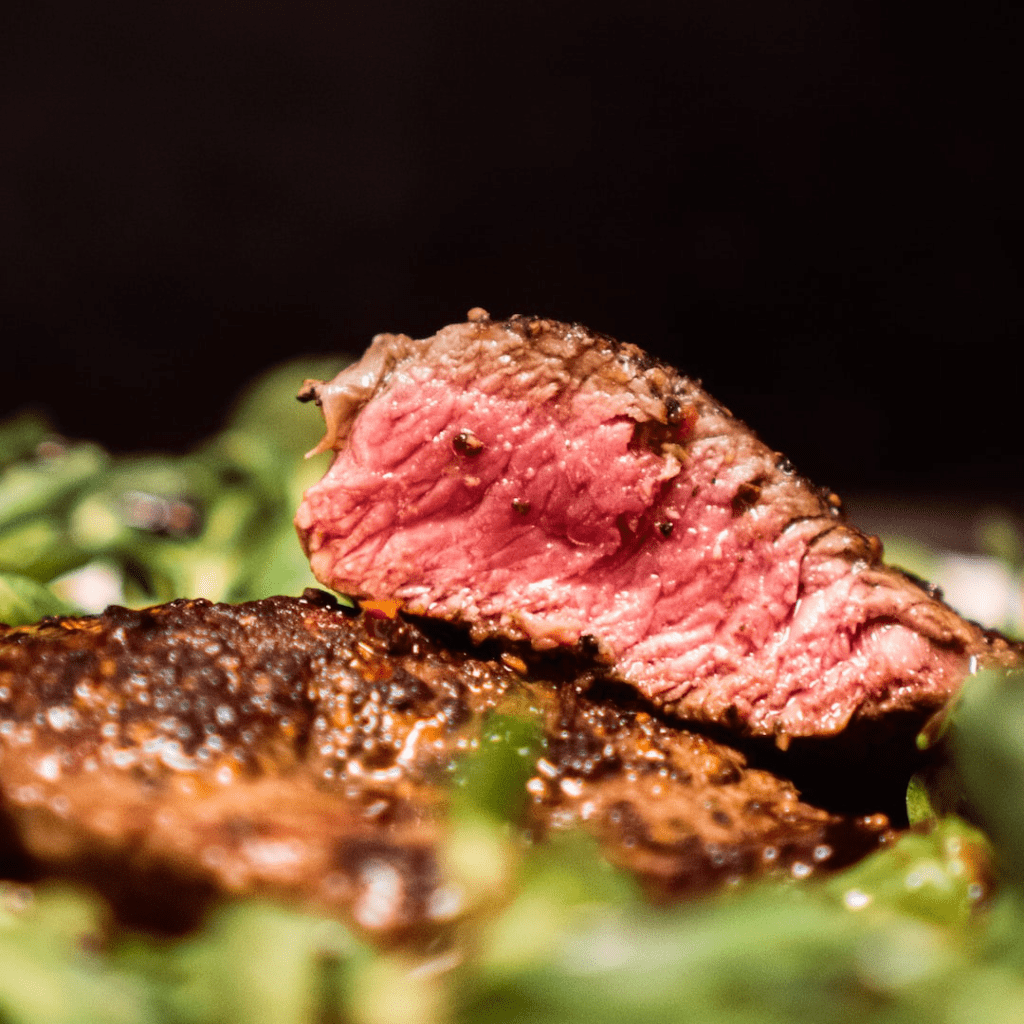
If you want to know how to reverse sear a steak, the good news is it is a lot simpler than people make it sound. Cook the steak low and slow over indirect heat until it is close to your target temperature, then finish it over high heat for a dark, flavorful crust. That gives you more control over doneness and a steak that is cooked more evenly from edge to edge.
What You'll Need
What Is a Reverse Sear Steak?
A reverse sear steak is exactly what it sounds like. You reverse the usual order of cooking.
Instead of searing the steak first and then trying to finish it indirectly, you cook it over low indirect heat until it is close to your target temperature. Then you sear it over high direct heat to finish.
This reverse sear method works especially well for thicker cuts because it gives the inside time to cook evenly before the outside develops a crust. The result is a steak with more even doneness and less of that thick gray band beneath the surface.
Why Reverse Sear a Steak?
There are a few big reasons the reverse sear steak method works so well:
More Even Cooking
The steak cooks gradually from the outside in, giving you a more consistent color and doneness from edge to edge.
Better Crust
The final blast of high heat gives you that dark, flavorful exterior without spending the entire cook over direct heat.
More Control
The slower first stage makes it easier to watch the internal temperature and avoid blowing past your target.
Made for Thick Steaks
This method shines on steaks that are 1 inch thick or more, where traditional high-heat grilling can overcook the exterior before the center is ready.
So if you have ever wondered why reverse sear a steak instead of grilling it the traditional way, that is your answer: more control, better texture, and fewer ruined steaks.
Best Steak for Reverse Sear
The best steak for reverse sear is a thick-cut steak, ideally at least 1 inch thick. The thicker the steak, the more this method pays off.
Ribeye
Rich, well-marbled, and one of the best all-around choices for reverse searing.
New York Strip
A great balance of beefy flavor, tenderness, and a wide surface for building a crust.
Filet
Its thickness makes it a natural fit when you want a tender center without overcooking the outside.
Porterhouse or T-Bone
Low indirect heat gives both sides of these bone-in steaks more time to cook evenly.
Tomahawk
This extra-thick showstopper is exactly the kind of steak the reverse sear method was made for.
Thin Steaks
If your steak is thinner than 1 inch, skip the reverse sear and cook it hot and fast. Thin cuts do not get much benefit from the low-and-slow stage.
How to Reverse Sear a Steak on the Grill
-
Pat the steak dry and season it well.
Start by patting the steak dry with paper towels. A dry surface helps the seasoning stick and sets you up for a better sear later.
Season generously with your favorite Lane's rub. For steak, great options include SPG, Ancho Espresso, and our favorite, Steak Supreme.
If you want simple, straightforward steak flavor, SPG is hard to beat. If you want a little deeper flavor, Ancho Espresso brings some serious personality to the party.
-
Let the steak sit before cooking.
Let the seasoned steak rest for about 20 minutes before it goes on the grill. This gives the rub time to adhere and helps take a little chill off the meat.
-
Set up the grill for low indirect heat.
Preheat your cooker to 250–275°F using indirect heat. If you are using charcoal, bank the coals to one side. If you are using a pellet grill, set the temperature and let it ride. If you are using a gas grill, leave one side off or set it lower so you can cook indirectly first.
This two-zone setup gives you a cooler side for gradually cooking the steak and a hot side for building the final crust.
-
Cook the steak low and slow.
Lightly oil the grill grates, then place the steak on the indirect-heat side of the grill. Insert your thermometer into the thickest part of the steak, away from the bone.
Cook until the internal temperature is about 10°F below your final target temperature. This gives you room for the steak to finish during the sear without sailing past your preferred doneness.
- Rare: move to the sear around 115–120°F
- Medium-rare: move to the sear around 120–125°F
- Medium: move to the sear around 130–135°F
- Medium-well: move to the sear around 140–145°F
How long this stage takes depends on the steak's thickness and the actual temperature at grate level, but many steaks take about 15–30 minutes. Very thick cuts can take longer, so let the thermometer make the call.
-
Sear the steak over high heat.
Move the steak over direct high heat and sear it for about 1½–2 minutes per side. This is where a reverse seared steak gets that dark, crusty outside that makes people think you know more than you do.
Watch the steak closely and check its temperature during the sear. If you are cooking a very thick steak, flip it more than once to build the crust without letting one side get too dark.
-
Rest, slice, and serve.
Once the steak hits your desired final temperature, pull it from the grill and let it rest for 5–10 minutes before slicing. That rest gives the juices time to settle so they do not all end up on your cutting board.
Reverse Sear Steak Temperature Guide
If you are trying to dial in the perfect reverse sear steak temperature, use this simple guide. Move the steak to high heat about 10°F before your final target, then keep checking it during the sear.
Move to sear: 115–120°F
Final temperature: 120–125°F
Move to sear: 120–125°F
Final temperature: 130–135°F
Move to sear: 130–135°F
Final temperature: 140–145°F
Move to sear: 140–145°F
Final temperature: 150–155°F
Food safety note: The USDA recommends cooking whole beef steaks to a minimum internal temperature of 145°F and allowing them to rest for at least 3 minutes. Lower doneness temperatures are common personal preferences, but they do not meet that USDA recommendation.
A meat thermometer makes this whole process a lot easier. Reverse searing gives you more control, but only if you actually know the internal temperature of the steak.
How Long to Reverse Sear a Steak
How long to reverse sear a steak depends on the thickness of the steak, your grill temperature, the steak's starting temperature, and the final doneness you want.
Many steaks take about 15–30 minutes over indirect heat. Extra-thick steaks may need longer.
Plan on about 3–4 minutes total over direct high heat, checking the internal temperature as you go.
Those times are estimates, not promises written in steak. Cook to temperature rather than cooking by time alone.
Reverse Sear Steak Tips
Use a Thermometer
If you want repeatable results, use a thermometer. Check the thickest part of the steak and avoid touching bone with the probe.
Start With a Dry Surface
A dry steak sears better than a wet one. Patting it dry at the beginning makes a noticeable difference.
Finish Hot
The whole point of the final step is to sear the steak fast. Get the grill hot and do not baby it.
Watch for Flare-Ups
A little butter can add richness, but butter and rendered fat can also feed the flames. Keep an eye on the steak so dinner does not become a campfire story.
Check More Than One Spot
Very thick and bone-in steaks can cook unevenly. Check the center in a couple of places before calling it done.
Use the Method Beyond Beef
The reverse sear method can also work well for thick pork chops and lamb. Always follow the appropriate safe internal temperature for the meat you are cooking.
Keep it classic with SPG, bring bold coffee-and-chile flavor with Ancho Espresso, or reach for our favorite, Steak Supreme.
FAQs About Reverse Searing Steak
What is the best temperature to reverse sear a steak?
Cook the steak at 250–275°F over indirect heat, then finish it over high direct heat. The lower first stage cooks the center gradually, while the final sear builds the crust.
What is the best steak for reverse searing?
Choose a steak that is at least 1 inch thick. Ribeye, New York strip, filet, porterhouse, T-bone, and tomahawk steaks are all great choices. Thin steaks are usually better cooked hot and fast.
How long does it take to reverse sear a steak?
Many steaks take about 15–30 minutes during the low-temperature stage, followed by roughly 3–4 minutes total for the sear. Thickness, grill temperature, starting temperature, and desired doneness can all change the timing, so cook to internal temperature instead of relying only on the clock.
How far below the target temperature should I sear the steak?
Move the steak to high heat when it is about 10°F below your desired final temperature. Check it during the sear because a very hot grill can move the internal temperature quickly.
Can you reverse sear a steak on a gas grill?
Yes. Set up two heat zones by heating one side of the gas grill and leaving the other side off or set lower. Cook the steak on the cooler side first, then move it over direct high heat for the final sear.
Can you reverse sear a steak on a pellet grill?
Yes. Cook the steak on the pellet grill at 250–275°F until it is about 10°F below your final target. Then finish it on the pellet grill's direct-flame setting, if equipped, or use a very hot grill or cast-iron skillet for the sear.
Do you need a thermometer to reverse sear steak?
You can cook without one, but a meat thermometer takes away the guesswork and is the most reliable way to hit your preferred doneness without overcooking the steak.
Do you need to rest a reverse-seared steak?
Yes. Let the steak rest for 5–10 minutes after the final sear before slicing. The USDA recommends at least a 3-minute rest after whole beef steaks reach 145°F.
See How to Reverse Sear a Steak
Want to see it in action? Watch Ryan walk through the method in our Reverse Seared Steak video.
Final Thoughts on the Reverse Sear Method
If you have been wondering how to reverse sear a steak, this is the whole game plan: low and slow first, hot and fast at the end.
The reverse sear steak method is simple, reliable, and one of the best ways to cook a thick steak without blowing past your target doneness.
Grab a good cut, season it with your favorite Lane's rub, watch your temperature, and finish it with a hot sear. That is how you make a reverse seared steak worth talking about.


Leave a comment
All comments are moderated before being published.
This site is protected by hCaptcha and the hCaptcha Privacy Policy and Terms of Service apply.