



How to smoke seafood without overcooking it
updated 07/30/2026
Seafood takes smoke beautifully, but it cooks much faster than brisket, ribs, or pork butt. The winning approach is mild wood, moderate heat, light seasoning, and a thermometer close enough to qualify as supervision.
This guide covers backyard hot smoking, where the seafood cooks while it absorbs smoke. It works for salmon, trout, white fish, shrimp, scallops, oysters, and lobster. Cold smoking and long-term fish preservation require specialized curing, temperature control, and food-safety procedures, so those methods are not included here.
What You’ll Need
Choose the Best Seafood for Smoking
Fish with a little natural fat are easiest for beginners because they stay moist long enough to absorb smoke. Lean seafood can still be excellent, but the cooking window is narrower.
Salmon and trout
Rich, sturdy fillets accept smoke well and remain forgiving. Skin-on center-cut portions are easy to handle and less likely to stick or fall apart.
Cod, haddock, snapper, and tilapia
Lean white fish needs gentle handling and close temperature monitoring. Use thicker fillets, a perforated rack, or a food-grade plank.
Shrimp and scallops
Shellfish cooks quickly and can become rubbery within minutes. A grill basket, skewers, or small pan keeps pieces from escaping through the grate.
Oysters, clams, and mussels
Cook live shellfish in clean, unbroken shells and discard any shell that does not open during cooking.
Lobster tails
Split tails expose the meat to seasoning and smoke. The shell protects the bottom while the meat cooks gently above it.
Buy seafood that smells fresh and mild, not sour, strongly fishy, or ammonia-like. Fresh fillets should look moist and firm without dried, darkened edges.
How to Prepare Seafood for the Smoker
- Keep it cold - Refrigerate seafood at 40°F or below until preparation begins. Thaw frozen seafood overnight in the refrigerator whenever possible.
- Check the fish - Remove pin bones with clean tweezers and scrape away loose scales if the skin will remain attached.
- Pat it thoroughly dry - A dry surface holds seasoning and smoke more evenly. Rinsing is usually unnecessary.
- Keep the skin or shell when useful - Skin protects fish from the grate, while shells help shield shrimp, lobster, oysters, clams, and mussels.
- Use evenly sized pieces - Similar thickness helps everything finish together. If pieces differ, plan to remove the thinner ones first.
- Add a light coating - A small amount of oil or marinade helps prevent sticking and carries seasoning. Avoid soaking the surface immediately before smoking.
Keep raw and cooked seafood separate. Use clean plates, utensils, brushes, and work surfaces after the seafood goes on the smoker. A marinade that touched raw seafood should be discarded or boiled according to a tested recipe before reuse.
Should You Brine Seafood Before Smoking?
Brining is optional for a simple hot-smoked cook, but it can season fish throughout, help it retain moisture, and firm the surface. The original Lane’s article correctly kept seafood brines shorter than meat brines because delicate pieces absorb salt quickly.
- Thick salmon or trout fillets: Often 30 minutes to 2 hours, depending on the brine strength and recipe.
- Thin white fish: Begin around 15–30 minutes.
- Shrimp and scallops: Keep it brief, generally 15–30 minutes.
- Shellfish in the shell: Usually does not need a brine.
Always follow the timing for the specific brine recipe or package. A concentrated brine can oversalt seafood much faster than a mild one.
- Brine under refrigeration - Keep the seafood cold for the entire brining period.
- Remove it on time - More is not automatically better. Over-brined seafood can become salty and firm.
- Pat the surface dry - After brining, dry the fish thoroughly.
- Let thicker fish air-dry if the recipe calls for it - Refrigerating it uncovered on a rack for 1–2 hours can form a slightly tacky pellicle that helps smoke adhere.
If you want a convenient starting point, explore Lane’s brines and brine kits, then adjust the time for delicate seafood rather than using a poultry-length soak.
Best Wood for Smoking Seafood
Seafood absorbs smoke quickly, so mild and medium woods are the safest place to begin.
Apple or peach
Light, slightly sweet smoke for salmon, trout, white fish, shrimp, and scallops.
Cherry or maple
A little more presence without easily overpowering the seafood. Cherry also adds attractive color.
Alder
A traditional fish-smoking wood with a clean, mild profile that works especially well with salmon.
Oak or pecan
Use lightly for richer fish or seafood with bold marinades. These woods can take over delicate fillets if the smoke is heavy.
Cedar plank is not cedar smoke wood. Use untreated, food-grade cedar only as a cooking plank made for grilling. Do not burn cedar lumber, chips, or chunks as smoking fuel, and never use construction wood or a plank treated with chemicals.
For a deeper breakdown, visit our guide to the best woods for smoking.
How to Hot-Smoke Fish Step by Step
This method works especially well for skin-on salmon and trout portions about 1–1½ inches thick.
- Preheat the smoker to 225–250°F - Set up for indirect heat and let the smoke become clean and steady before adding the fish.
- Prepare the cooking surface - Clean the grate and lightly oil the fish. Use a perforated rack, basket, or food-grade plank for delicate fillets.
- Season the fish - Apply a light, even layer. Seafood needs flavor, but it does not need to be buried for winter.
- Place skin-side down - Set skin-on fish directly on the grate, rack, or plank and close the lid. Most fillets do not need to be flipped.
- Smoke for approximately 30–60 minutes - Begin checking thinner pieces around 20–25 minutes. Thick sides of salmon may need longer than an hour.
- Check the thickest part - Cook fish to 145°F, or until the flesh is opaque and separates easily with a fork.
- Remove it gently - Slide a wide spatula between the flesh and skin if you want to leave the skin behind, or lift the entire portion onto a clean platter.
- Rest briefly and serve - Give the fish 3–5 minutes before serving. It will continue cooking slightly from retained heat.
Fish often releases small white beads of albumin as it cooks. A little is normal. A large amount can indicate the fish heated too aggressively or was overcooked, but it is harmless and can be brushed away for presentation.
How to Smoke Shrimp, Scallops, Oysters, and Lobster
Shrimp
Smoke large shrimp at 225–250°F in a basket, on skewers, or in a perforated pan. Begin checking around 20 minutes. Remove when the flesh is firm, pearly, and opaque, often within 20–35 minutes depending on size and shell.
Scallops
Pat dry, season lightly, and smoke on a rack or small pan. Begin checking around 20 minutes. Remove when they are firm and opaque, usually within 20–30 minutes.
Oysters, clams, and mussels
Place scrubbed live shellfish on the grate with the deeper shell down. Cook until the shells open and the meat is hot. Discard any shell that remains closed after cooking.
Lobster tails
Split the top shell, expose the meat, season, and smoke shell-side down. Depending on size, tails commonly need 30–45 minutes. Cook until the meat is pearly and opaque.
These times are estimates. Seafood thickness, starting temperature, smoker recovery, and weather can shift the schedule quickly. Stay close enough to notice. This is not the cook where you mow the back forty.
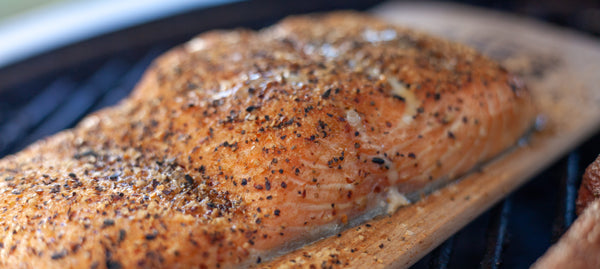
How to Smoke Fish on a Wood Plank
A food-grade grilling plank supports delicate fish, limits sticking, protects the underside, and adds a gentle wood aroma. Cedar, cherry, maple, and alder planks all pair well with seafood when they are manufactured and labeled for cooking.
- Read the plank instructions - Use only untreated food-grade grilling planks and follow the manufacturer’s soaking and temperature directions.
- Soak when directed - Many reusable or single-use planks call for at least 30–60 minutes submerged in water, but the maker’s instructions come first.
- Prepare the fish - Pat it dry, remove pin bones, and season the top. Skin can remain attached.
- Place the fish on the plank - Set it skin-side down in the center, leaving space around the edges.
- Put the plank in the smoker - Cook over indirect heat with the lid closed. Keep a spray bottle of water nearby in case an exposed edge flames.
- Do not flip the loaded plank - Leave the fish facing up. Rotate the plank only if your cooker has a significant hot spot.
- Cook to doneness - Remove the fish at 145°F or when it is opaque and flakes easily.
The plank should smolder or char at the edges, not burn like a campfire. If it repeatedly flames, move it farther from the heat source and reduce the cooker temperature.
Best Lane’s Seasonings for Smoked Seafood
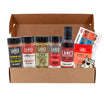
Seafood works best with a lighter hand than brisket or pork butt. Apply an even coating that complements the fish instead of hiding it. If you want an easy place to start, the Under Da Sea 4-Rub Set from the original guide is still built for the job.
Garlic²
A dependable savory option for salmon, scallops, lobster, shrimp, and white fish.
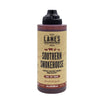
The original article also recommended Pow Pow Marinade, and that remains a strong option for shrimp, salmon, and firm fish. Marinate seafood in the refrigerator and keep the timing short so the texture stays intact.
How to Tell When Smoked Seafood Is Done
- Fish: Cook to 145°F in the thickest part, or until the flesh is opaque and separates easily with a fork.
- Shrimp, scallops, lobster, and crab: The flesh should become firm, pearly, and opaque.
- Clams, mussels, and oysters: The shells should open during cooking. Discard any that remain closed.
Insert the thermometer from the side into the thickest portion of a fillet so more of the probe sits inside the meat. For small seafood that is difficult to measure accurately, check several pieces and rely on both temperature and the visual doneness signs above.
Do not wait for fish to become dramatically flaky and dry before removing it. By that point, it has already filed a complaint.
Common Smoked Seafood Problems
The fish sticks to the grate
Use skin-on fish, preheat and clean the grate, lightly oil the fish, or cook on a perforated rack or food-grade plank. Do not force the fillet before it releases.
The seafood tastes bitter
Use less wood, cleaner smoke, and milder varieties. Thick white smoke or strong wood can overwhelm seafood quickly.
The fish is dry
Begin checking earlier, choose thicker or fattier fillets, and remove the fish at 145°F. A short brine can add protection, but no brine can rescue unlimited cooking.
The shrimp is rubbery
Shrimp cooks quickly. Use large shrimp, keep the smoker steady, and begin checking around 20 minutes rather than waiting for the rest of dinner.
The fish falls apart
Use a wide spatula, keep the skin attached, avoid flipping, and support delicate fillets with a rack, basket, pan, or plank.
The plank catches fire
Move it to indirect heat, close the lid, reduce the temperature, and spray the exposed edge with water. Use only a food-grade plank and follow its instructions.
How to Store Smoked Seafood
Backyard hot-smoked seafood is cooked perishable food. Smoking it does not make it shelf-stable.
- Refrigerate cooked seafood within 2 hours, or within 1 hour when the outdoor temperature is above 90°F.
- Store leftovers in shallow, covered containers at 40°F or below.
- Use cooked fish within 3–4 days for a conservative home-storage window.
- Reheat leftovers to 165°F.
- Discard seafood with sour, rancid, strongly fishy, or ammonia-like odors.
Hot smoking is cooking, not canning. If you want cured, cold-smoked, dried, canned, or shelf-stable fish, use a tested preservation recipe from a trusted food-safety authority. A backyard smoker and optimism are not a preservation system.
FAQs — How to Smoke Seafood
What is the best seafood for beginners to smoke?
Salmon and trout are excellent beginner choices because their natural fat helps them stay moist and their firm flesh handles smoke well. Start with thick, skin-on portions.
What temperature should I use to smoke seafood?
For backyard hot smoking, 225–250°F is a dependable range for fish and shellfish. Seafood cooks quickly, so begin checking early and use the recipe and seafood thickness to guide timing.
What internal temperature should smoked fish reach?
Cook fish to 145°F in the thickest part, or until the flesh is opaque and separates easily with a fork.
What wood is best for smoking fish?
Apple, cherry, alder, peach, and maple provide mild smoke that complements fish. Oak and pecan can work with richer seafood but should be used lightly.
How long does it take to smoke salmon?
Salmon portions commonly need about 30–60 minutes at 225–250°F, while a thick side may take longer than an hour. Cook to 145°F rather than relying only on time.
Should I brine fish before smoking it?
Brining is optional for hot-smoked fish, but it can add seasoning, firm the surface, and help retain moisture. Keep the seafood refrigerated and follow the specific brine strength and timing.
Do I need to flip fish in the smoker?
Most skin-on fillets do not need to be flipped. Cook them skin-side down on the grate, a rack, or a food-grade plank and remove them when the thickest part reaches 145°F.
Can I use cedar to smoke seafood?
Use untreated, food-grade cedar as a grilling plank only when it is made for cooking. Do not burn cedar lumber, chips, or chunks as smoking fuel.
Does hot smoking preserve seafood?
No. Backyard hot-smoked seafood is cooked perishable food and must be refrigerated promptly. Cold smoking, curing, drying, and canning require separate tested preservation procedures.


Leave a comment
All comments are moderated before being published.
This site is protected by hCaptcha and the hCaptcha Privacy Policy and Terms of Service apply.