





How to make compound butter for steak, turkey, vegetables, and more
updated 07/30/2026
Compound butter is softened butter mixed with seasonings, herbs, citrus, or other flavorful ingredients. It takes about five minutes to make and has a suspiciously effective way of making steak, turkey, seafood, vegetables, and bread taste like you worked much harder than you did.
The basic technique is simple: soften the butter, mix in flavor, taste, shape, and chill. The fun starts when you match the butter to the food. Turkey Time belongs under the skin of a holiday bird, Steak Supreme melts beautifully over beef, Garlic² goes just about anywhere, Chili Lime wakes up seafood and corn, and Spellbound brings a sweet-savory finish to pork and vegetables.
What You’ll Need
What Is Compound Butter?
Compound butter is regular butter blended with sweet or savory ingredients. Herbs, spices, citrus zest, roasted garlic, cheese, honey, and seasonings can all turn one stick of butter into a ready-made finishing sauce.
It may sound fancy, but there is no culinary obstacle course involved. If you can stir softened butter, you can make compound butter. Once chilled, slice it into pats and keep them ready for hot steak, chicken, fish, corn, potatoes, bread, or whatever else looks like it could use a little help.
For dinner
Use herbs, citrus zest, black pepper, roasted garlic, horseradish, blue cheese, or a savory Lane’s seasoning. Savory compound butter works especially well with grilled meat, poultry, seafood, vegetables, pasta, and bread.
For breakfast and baking
Mix butter with honey, maple syrup, cinnamon, fruit zest, or preserves. Spread it over biscuits, pancakes, waffles, muffins, toast, or cornbread before somebody else finds the bowl.
The Basic Compound Butter Formula
For a small batch, begin with:
- ½ cup unsalted butter - One standard stick, softened
- 1 teaspoon seasoning - Add more after tasting
- Optional fresh ingredients - Citrus zest, finely chopped herbs, roasted garlic, honey, or another complementary flavor
Most blends land between 1 and 2 teaspoons of seasoning per stick of butter. Some salt-forward seasonings need less, while herb-heavy blends may take more. Starting light matters because you can always add another shake. Removing seasoning from butter requires technology we have not yet been issued.
Use unsalted butter when possible. Many rubs and seasonings already contain salt. Unsalted butter gives you control over the final flavor and keeps a bold seasoning from becoming a salt lick in formalwear.
For a whipped, airy texture, beat the mixture with a hand mixer. For a traditional sliceable butter, mash and stir it with a spoon or flexible spatula. Both taste good. One just has better hair.
How to Make Compound Butter Step by Step
- Soften the butter - Let it sit at room temperature until a finger leaves an easy indent but the butter still holds its shape. Cut it into slices or cubes to soften faster. Do not melt it.
- Add the seasoning - Place the butter in a bowl and add 1 teaspoon of your chosen seasoning per stick.
- Add optional flavors - Mix in finely chopped herbs, citrus zest, roasted garlic, honey, cheese, or another ingredient that fits the food you plan to serve.
- Mix until evenly combined - Mash with a spoon or whip with a mixer until the color and ingredients are distributed throughout the butter.
- Taste and adjust - Taste a small amount on a piece of bread or cracker. Add more seasoning in small increments until it is balanced.
- Shape the butter - Spoon it onto parchment paper or plastic wrap, roll it into a log, and twist the ends closed. You can also press it into a covered container or silicone mold.
- Chill until firm - Refrigerate for 1–2 hours before slicing. If you plan to spread it immediately, skip the log and serve it soft in a small bowl.
Give a seasoning-based butter at least 15–30 minutes before making the final flavor call. The dried herbs and spices need a little time to hydrate and spread through the butter. Fresh from the mixing bowl is good; after a short rest, everybody has exchanged phone numbers.
Five Easy Lane’s Compound Butter Recipes
These are flexible starting points, not butter bylaws. Mix each recipe with one stick of softened unsalted butter, taste, and adjust for your food and salt preference.
Turkey Time Butter
Mix: ½ cup butter with 1–2 teaspoons Lane’s Turkey Time Seasoning.
Optional: Add ½ teaspoon lemon zest or 1 teaspoon finely chopped fresh sage.
Use it on: Turkey, chicken, mashed potatoes, roasted carrots, stuffing, and warm dinner rolls.
Garlic² Butter
Mix: ½ cup butter with 1–2 teaspoons Lane’s Garlic² Rub.
Optional: Add 1 teaspoon chopped parsley or a little lemon zest.
Use it on: Steak, chicken, shrimp, bread, pasta, mushrooms, baked potatoes, and roasted vegetables.
Chili Lime Butter
Mix: ½ cup butter with 1–2 teaspoons Lane’s Chili Lime Seasoning.
Optional: Add ½ teaspoon fresh lime zest and 1 teaspoon chopped cilantro.
Use it on: Grilled corn, shrimp, fish, chicken, rice, sweet potatoes, and grilled vegetables.
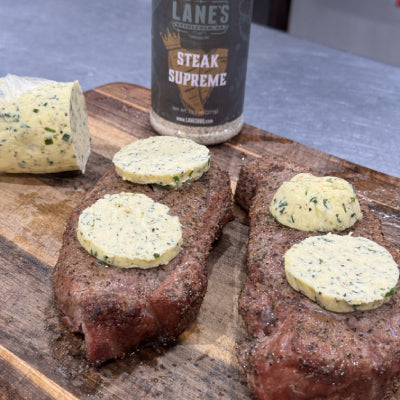
Steak Supreme Butter
Mix: ½ cup butter with 1–2 teaspoons Lane’s Steak Supreme Rub.
Optional: Add ½ teaspoon Worcestershire sauce and 1 teaspoon chopped chives.
Use it on: Steak, burgers, prime rib, mushrooms, baked potatoes, and grilled onions.
Spellbound Butter
Mix: ½ cup butter with 1–2 teaspoons Lane’s Spellbound Rub.
Optional: Add ½ teaspoon honey for a sweeter finish or a pinch of cayenne for contrast.
Use it on: Pork chops, pork tenderloin, chicken, sweet potatoes, carrots, corn, biscuits, and cornbread.
Make a tasting flight. Divide two softened sticks of butter among four small bowls and season each one differently. You will end up with several flavors for dinner and learn which combinations deserve a permanent parking spot in the refrigerator.
How to Use Compound Butter on Turkey
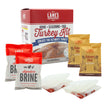
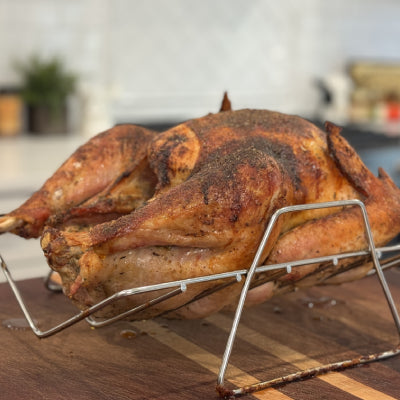
Turkey is where compound butter earns its holiday paycheck. Lane’s uses Turkey Time compound butter in both our Oven-Roasted Turkey and Spatchcock Turkey recipes. The butter carries seasoning beneath the skin, adds richness, and helps the surface brown.
For a whole turkey, make a larger batch:
- 4 sticks unsalted butter, softened
- 1 tablespoon Turkey Time Seasoning, or more to taste
- Dry the turkey - Pat the bird thoroughly dry. If you brined it, follow the brine directions and allow time for uncovered refrigerator drying when the recipe calls for it.
- Make the butter - Mix the softened butter and Turkey Time until evenly combined.
- Loosen the skin carefully - Slide your fingers between the breast meat and skin without tearing it. Work toward the thighs and legs when possible.
- Place butter beneath the skin - Add pieces of compound butter over the breasts and around the legs and thighs, then massage the skin from the outside to spread it evenly.
- Use the remainder wisely - Rub a light layer over the exterior or reserve some in a separate clean container before touching raw poultry. Never return contaminated butter to the serving bowl.
- Season and cook - Apply the exterior seasoning and follow the roasting or smoking recipe. Use a thermometer rather than cooking by time alone.
Keep raw poultry separate. Any butter, utensil, or hand that touches raw turkey must not touch cooked food or clean serving butter without proper washing. Reserve your basting or table butter before you begin working under the skin.
How to Use Compound Butter
Finish hot meat
Place a cold or room-temperature pat over resting steak, pork chops, chicken, burgers, or fish. The residual heat melts the butter into the surface without scorching the milk solids.
Season beneath poultry skin
Gently spread compound butter under the skin of turkey or chicken before roasting or smoking. This is one of the best ways to put flavor directly against the meat.
Toss with vegetables
Melt a small amount over grilled corn, baked potatoes, roasted carrots, green beans, mushrooms, squash, or sweet potatoes.
Make instant garlic bread
Spread Garlic² butter on bread and toast it until crisp at the edges. It also works on biscuits, rolls, flatbread, and the emergency slice eaten over the sink.
Build a quick pan sauce
After cooking meat, remove the pan from direct high heat and swirl in a small piece of cold compound butter. It adds flavor and gives the sauce a glossy finish.
Flavor grains and pasta
Stir it into hot rice, grits, noodles, or pasta. Add a splash of cooking water when needed to help the butter coat everything evenly.
Avoid dropping butter directly into tall flames. Butter’s milk solids can burn, and dripping fat can cause flare-ups. Add it near the end of cooking, melt it over indirect heat, or let the food’s residual heat do the work.
How to Store and Freeze Compound Butter
- Refrigerate promptly. Wrap the butter tightly or place it in a covered container and keep the refrigerator at 40°F or below.
- Use fresh mixtures within about 5 days. This conservative window is especially helpful when the butter contains fresh herbs, citrus zest, cheese, or garlic.
- Freeze for longer storage. Wrap the log tightly, place it in a freezer bag or airtight container, label the flavor and date, and use it within about 3 months for best quality.
- Freeze individual portions. Slice the chilled log into pats, freeze them on a parchment-lined tray, then transfer them to a freezer container. Grab only what dinner needs.
- Thaw in the refrigerator. A whole log may need several hours or overnight. Individual pats soften much faster.
If the butter smells sour, shows mold, or has picked up questionable refrigerator odors, let it go. Compound butter is inexpensive to remake, and “maybe the butter is fine” is not the kind of suspense dinner needs.
Dairy-Free Compound “Butter”
The original Lane’s draft suggested coconut oil as a dairy-free alternative, and it can work well when its flavor fits the food. Soften solid coconut oil, mix it with the seasoning, and chill it just like butter. Chili Lime with lime zest and cilantro is a natural match.
Coconut oil does not behave exactly like butter. It melts quickly in a warm room and becomes very firm when cold. A dairy-free butter-style spread formulated for cooking may give you a more familiar texture. Check labels if dairy avoidance is allergy-related, and confirm that every seasoning and add-in fits the person’s dietary needs.
Common Compound Butter Problems
The butter is too hard to mix
Cut it into small pieces and give it more time at room temperature. Pressing or rolling the wrapped stick thinner also helps it soften evenly.
The butter melted
Refrigerate it until soft but no longer liquid, then stir or whip again. Melted butter can separate and will not form the same smooth, sliceable texture.
The flavor is too weak
Let the mixture rest for 15–30 minutes, taste it on plain bread, and add seasoning in small increments. Cold butter tastes less intense than warm butter.
The butter is too salty
Mix in more unsalted butter. Acid or herbs can balance flavor, but only dilution truly reduces the salt concentration.
The fresh ingredients are watery
Dry herbs and washed produce thoroughly. Use citrus zest instead of juice when you want citrus flavor without loosening the butter.
The log will not hold its shape
Wrap it, chill for 15–20 minutes, then roll it again once the butter has firmed slightly. The refrigerator is doing the heavy lifting here.
Final Takeaway
Compound butter is one of those tiny techniques that unlocks a ridiculous number of meals. Start with softened unsalted butter, add seasoning a little at a time, and match the flavor to the food. Make one log for tonight or several flavors for the freezer.
The next time a steak, turkey, piece of fish, pile of vegetables, or lonely dinner roll needs something, you will have flavor waiting in pat form. That is not meal prep. That is edible insurance.
FAQs — How to Make Compound Butter
What is compound butter?
Compound butter is softened butter mixed with seasonings, herbs, citrus, spices, cheese, honey, or other flavorful ingredients. It can be served soft or chilled into a log and sliced into pats.
What is the basic ratio for compound butter?
Start with ½ cup of unsalted butter and 1 teaspoon of seasoning. Taste after mixing and increase to 2 teaspoons or more when needed, depending on the blend and how you plan to use it.
Should I use salted or unsalted butter?
Unsalted butter is usually best because seasonings, cheese, and other add-ins may already contain salt. It gives you more control over the finished flavor.
How soft should butter be for compound butter?
The butter should yield easily when pressed but still hold its shape. It should not look greasy or melted. Cutting it into slices helps it soften faster and more evenly.
How long does compound butter last in the refrigerator?
Keep it tightly wrapped or covered at 40°F or below. For a conservative approach, use compound butter containing fresh herbs, citrus zest, cheese, or garlic within about 5 days.
Can you freeze compound butter?
Yes. Wrap the log tightly, place it in an airtight freezer container, label it, and use it within about 3 months for best quality. You can also freeze individual pats for easy portions.
When should I put compound butter on steak?
Add a pat while the steak rests or just before serving. The steak’s residual heat will melt the butter without exposing it to direct flames that could burn the milk solids.
Can I put compound butter under turkey skin?
Yes. Carefully loosen the skin and spread pieces of compound butter over the breast and around the legs and thighs. Reserve any clean butter needed for basting before touching raw poultry.
Can I make compound butter without dairy?
Yes. Coconut oil can work when its flavor complements the other ingredients, though it becomes firmer when cold and melts faster when warm. A dairy-free butter-style cooking spread may provide a texture closer to butter.


Leave a comment
All comments are moderated before being published.
This site is protected by hCaptcha and the hCaptcha Privacy Policy and Terms of Service apply.