







Slow Cooker BBQ: Big Flavor Without Babysitting the Pit
Slow cooker BBQ is the weeknight answer to tender, pull-apart meat when firing up the smoker is not in the cards. It will not build true bark or wood-fired smoke on its own, but the right cut, a good Lane's rub, a little liquid, and a smart finish can still turn out pork, chicken, or beef worth piling high on a sandwich.
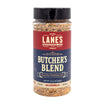
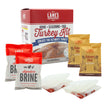
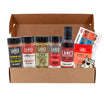
What You'll Need
What Is Slow Cooker BBQ?
Slow cooker BBQ uses steady, moist heat to break down connective tissue and turn tougher cuts into tender, shreddable meat. It is convenient, economical, and very good at producing the juicy filling you want for sandwiches, tacos, nachos, baked potatoes, and rice bowls.
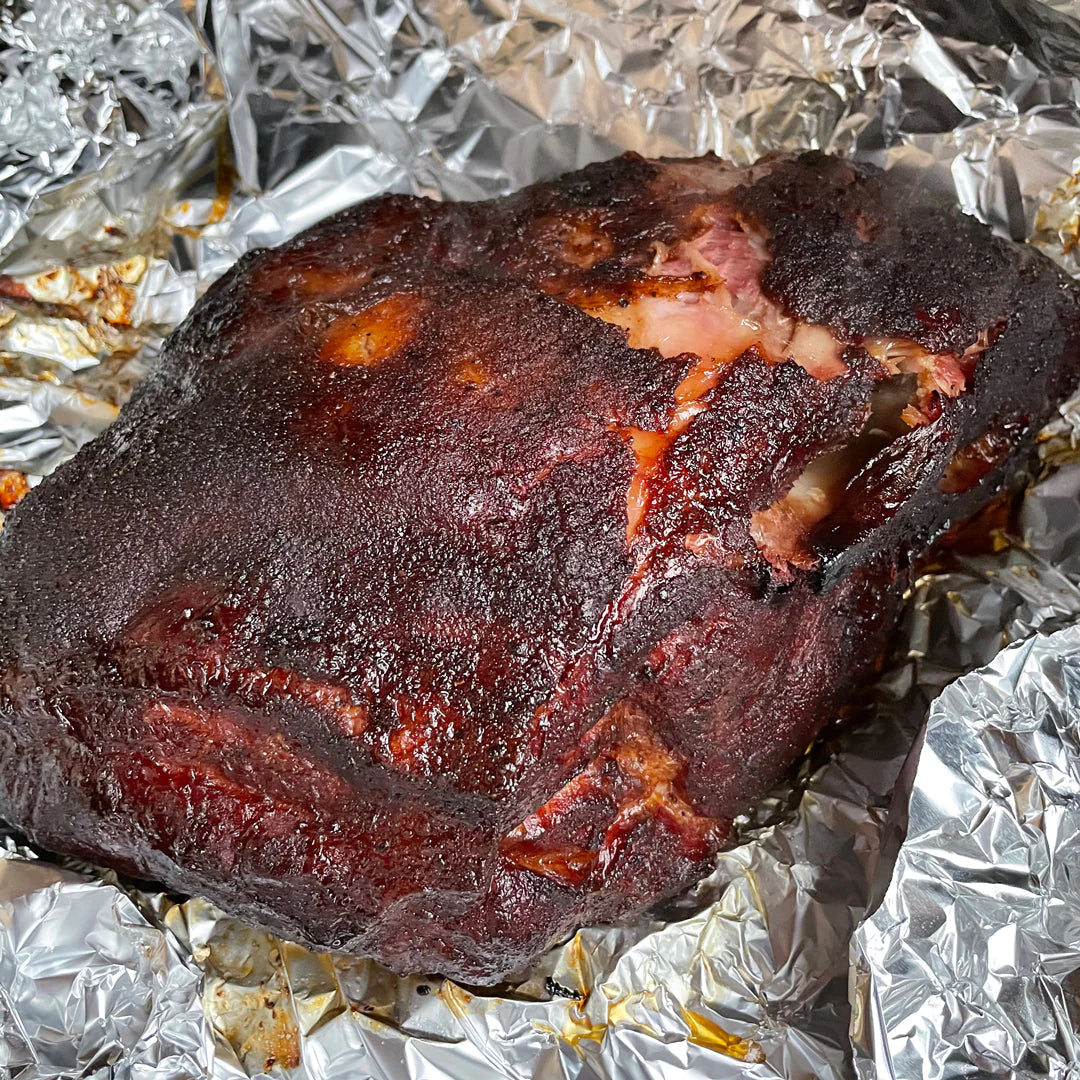
What it does not do is grill or smoke. A covered slow cooker holds moisture, so it cannot create the dry, dark bark of a smoker or the char of a hot grill. Seasoning and sauce bring the BBQ flavor; a quick sear, broil, or grill finish can add the browned edges.
Start with thawed meat. Do not put a large frozen roast into a slow cooker. Thaw meat safely in the refrigerator first so the cooker can bring it through the temperature range safely and evenly.
The Best Meats for Slow Cooker BBQ
Pork Butt or Shoulder
This is the pulled-pork favorite for a reason. Its fat and connective tissue handle a long cook and keep the finished pork rich and tender. Cut a large roast into two to four pieces for more even cooking.
Chicken Thighs or Breasts
Boneless, skinless thighs are the most forgiving and stay juicy. Breasts work too, but check them early because lean meat can go from tender to dry while you are busy pretending not to check the slow cooker.
Chuck Roast
Well-marbled chuck is the best all-around choice for shredded beef. Sirloin roast, beef ribs, and brisket can work, but chuck delivers the reliable combination of beefy flavor, fat, and connective tissue.
Trim only thick, hard exterior fat. Some marbling is your friend; a giant slab of fat floating on top at dinner is less charming.
Slow Cooker Pulled Pork
The original Lane's method keeps this simple: pork butt, bold seasoning, a small amount of tangy liquid, and time. Choose a Boston butt or pork shoulder, trim excess exterior fat, and cut it into two to four large pieces so it cooks more evenly.
- Season the pork. Coat every side with Lane's Spellbound Rub.
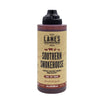
- Add the liquid. Pour 1/2 cup of Lane's Itsa Vinegar Sauce into the slow cooker. Set the pork on top instead of drowning it.
- Cook low and slow. Cover and cook on low for about 8 hours. Begin checking before the estimated finish because slow cookers and roast sizes vary.
- Check tenderness. Pulled pork is ready when a fork or temperature probe slides in with very little resistance and the meat shreds easily. This usually happens around 195–205°F.
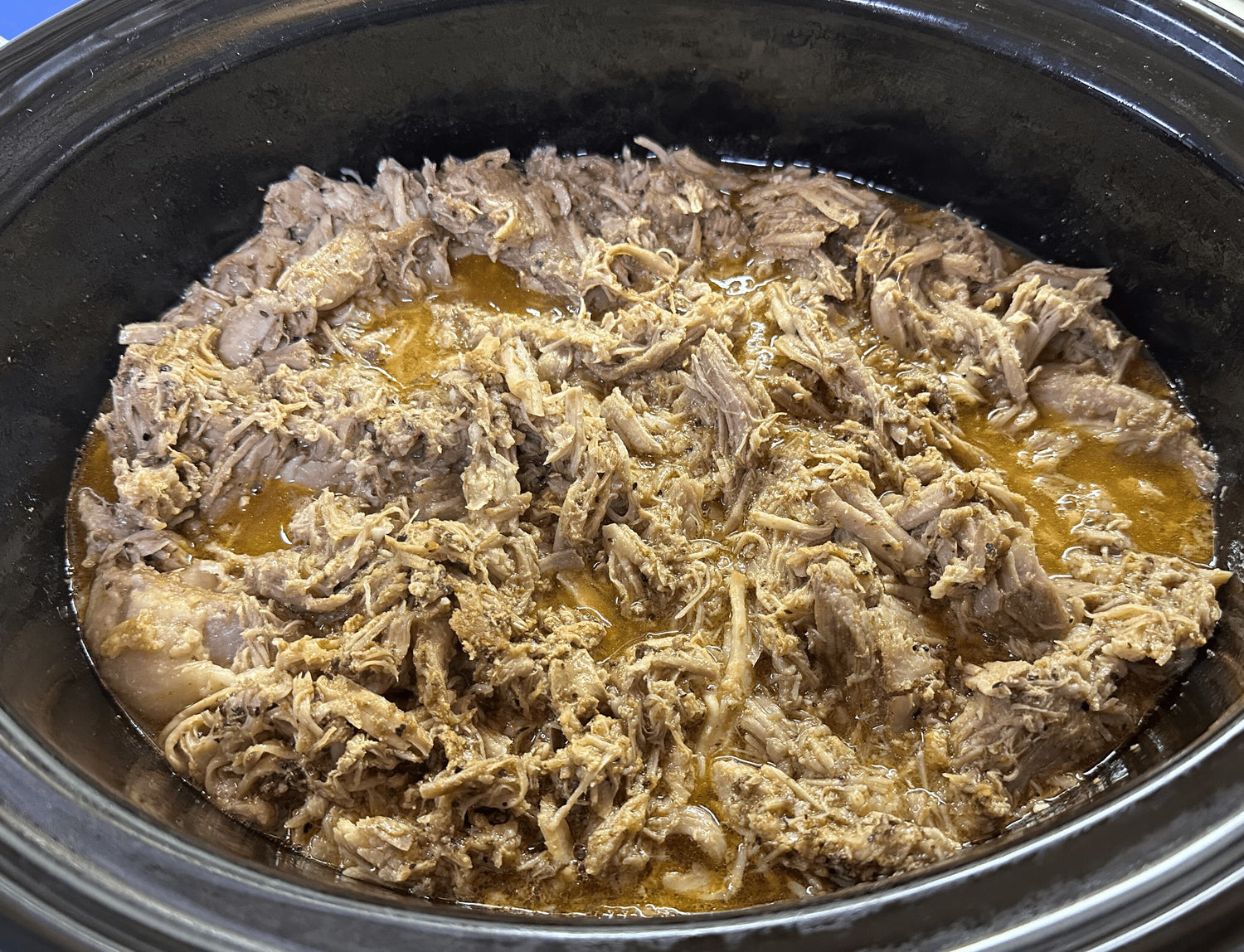
- Shred and finish. Remove large pockets of fat and shred the pork. Mix in just enough defatted cooking liquid to keep it juicy, or discard the liquid and sauce the meat with Lane's Lil Spicy Sauce.
Safety temperature is not the same as pull-apart temperature. A whole pork roast is safe at 145°F with a 3-minute rest, but pork butt generally needs much more cooking to soften its collagen and become easy to shred. Tenderness gets the final vote.
Slow Cooker BBQ Chicken
For basic shredded chicken, place 1/2 cup of liquid in the cooker, add boneless skinless breasts or thighs, and season to taste. Cook on low for roughly 3–4 hours or on high for about 2 hours, then verify that the thickest pieces have reached 165°F. Times are estimates, not appointments.
Shred the chicken as soon as it is tender, then return it to only enough liquid or sauce to keep it moist. Leaving already-cooked chicken on heat for hours can dry it out, even in a steamy slow cooker.
Three Lane's Flavor Paths
Classic BBQ
Combine Spellbound Rub with Kinda Sweet Sauce for traditional pulled BBQ chicken.
Fiesta Chicken
Pair Lane's Fiesta Rub with your favorite jarred salsa for tacos, quesadillas, or nachos.
Buffalo Chicken
Use Lane's Signature Rub with One Legged Chicken Sauce for sliders or Buffalo chicken dip.
Slow Cooker Shredded Beef
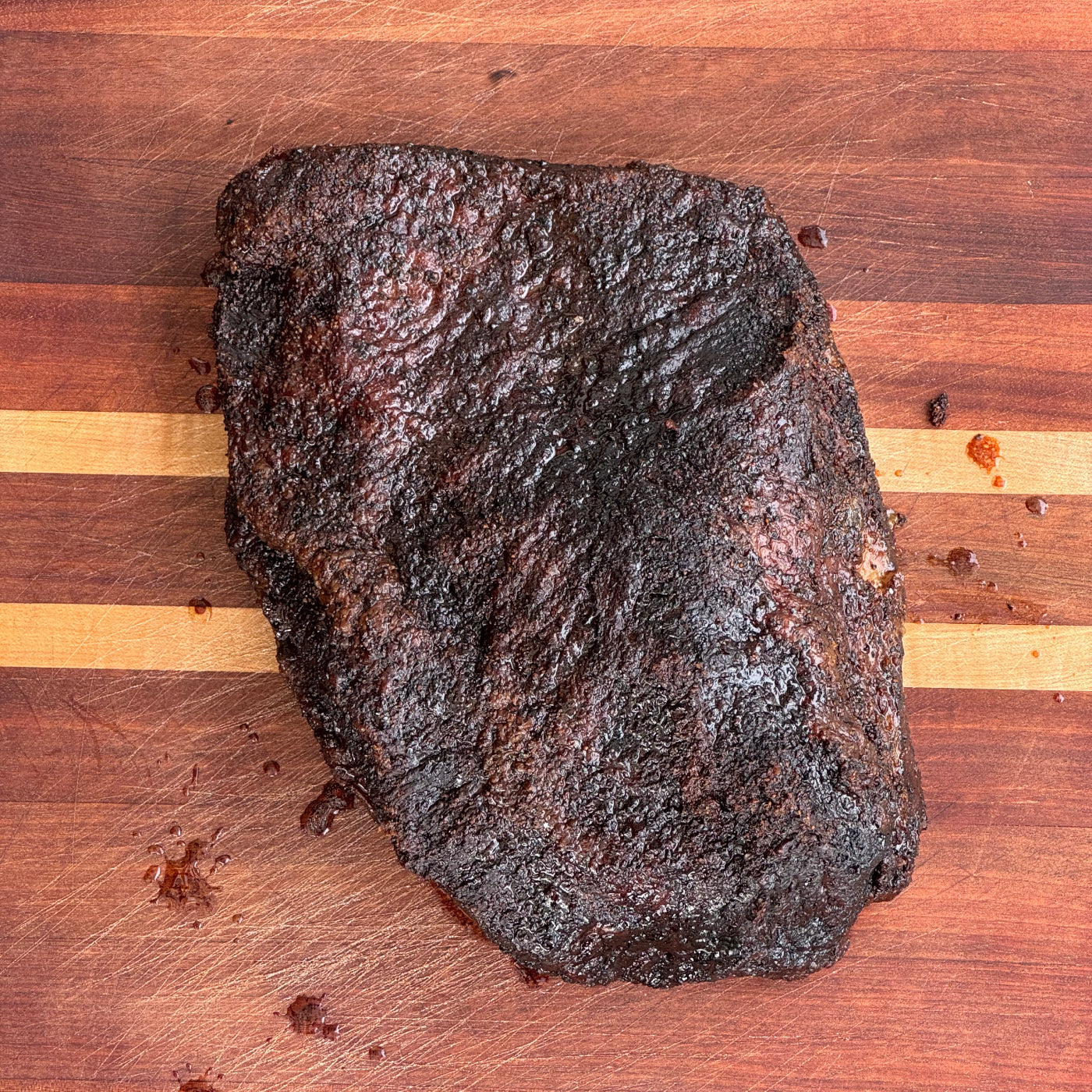
Chuck roast is the Lane's first choice here. Seasoning the roast and browning it before slow cooking adds a deeper roasted flavor that the covered cooker cannot make by itself. If you have time, season with Lane's SPG Rub and sear all sides for 3–5 minutes per side. You can also smoke the roast at 225–250°F for 2–3 hours before transferring it to the slow cooker.
Lane's Mississippi-Style Roast
- Build the base. Place thinly sliced sweet onions in the bottom of the slow cooker and set the seasoned, seared roast on top.
- Add the flavor. Sprinkle on one packet of brown gravy or au jus mix and one packet of dry ranch dressing mix.
- Finish the setup. Add 1/2 to 1 stick of butter plus a small jar, or half of a large jar, of pepperoncini peppers and some of their brine.
- Cook until tender. Cover and cook for about 4 hours on high or 8 hours on low. The beef is done when it shreds easily, not simply when the timer beeps.
Serve the shredded beef over mashed potatoes or rice, or pile it onto a toasted baguette with extra peppers and provolone. That sandwich has no interest in being tidy, and we respect it for that.
The Reliable Slow Cooker BBQ Method
- Thaw first. Completely thaw meat in the refrigerator. Keep it refrigerated until you are ready to load the cooker.
- Cut large roasts if needed. Two to four large pieces cook more evenly than one massive roast.
- Season every side. Apply your Lane's rub before the meat goes in. For deeper flavor, season several hours ahead and refrigerate.
- Sear when you can. It is optional, but a hot skillet builds browned flavor. Never place a removable ceramic crock directly on a burner unless its manufacturer specifically says it is safe.
- Add less liquid than you think. The covered cooker traps steam and the meat releases juice. For the Lane's pork and chicken methods, 1/2 cup is enough to get started.
- Cover and leave it alone. Every peek releases heat and stretches the cook. Use the lid's superpower: staying on.
- Verify doneness. Check both internal temperature and texture with an instant-read thermometer or probe.
- Shred and season again. Remove bones and excess fat, shred the meat, then add defatted juices or sauce a little at a time.
Safe Temperatures vs. Tender Temperatures
A thermometer answers the safety question. A probe or fork answers the tenderness question. For shreddable cuts, you need both answers.
Safe Minimums
- Whole cuts of beef and pork: 145°F, then rest 3 minutes
- Ground meat: 160°F
- Chicken and other poultry: 165°F
- Leftovers: reheat to 165°F
For Pull-Apart Texture
Pork butt and chuck roast commonly become easy to shred around 195–205°F, but there is no magic single number. Start probing near the lower end and keep cooking until the probe enters with little resistance.
Slow cookers differ in wattage, size, shape, and actual temperature. Use recipe times to plan your day, then use temperature and tenderness to decide when dinner is ready.
How to Get Better BBQ Texture
Broil After Shredding
Spread shredded meat on a sheet pan, spoon over a little cooking liquid, and broil briefly until the edges brown. Watch it closely because “crispy” and “tiny meat campfire” are neighbors.
Reduce the Liquid
If the juices are watery, remove the meat and skim the fat. Simmer the liquid in a saucepan until concentrated, then add only what the meat needs.
Sauce Near the End
Sweet BBQ sauce can taste flat after an all-day cook. Use a little during cooking if the recipe calls for it, then add a fresh layer after shredding for brighter flavor.
Slow Cooker BBQ Troubleshooting
The Meat Is Tough
If pork butt or chuck roast is at a safe temperature but will not shred, it usually needs more time for the connective tissue to soften. Cover it and keep cooking, then check again in 30–45 minutes.
The Meat Is Dry
Lean meat probably cooked too long. Shred it, mix in a little warm defatted cooking liquid or sauce, and serve. Next time, check chicken breast earlier or choose thighs.
The Sauce Is Watery
Remove the meat first. Skim fat, then reduce the liquid on the stove or thicken it according to your recipe. Do not keep cooking perfect meat just to fix the sauce.
The Flavor Is Flat
Fat and a long cook can soften seasoning. After shredding, taste and add more rub, a splash of vinegar sauce, or BBQ sauce in small amounts until it wakes back up.
Handle leftovers promptly. Refrigerate cooked meat within 2 hours in shallow containers. Use refrigerated cooked meat within 3–4 days and reheat leftovers to 165°F.
Slow Cooker BBQ FAQs
Can I put frozen meat in a slow cooker?
No. Thaw meat in the refrigerator before slow cooking so it heats safely and evenly.
Is low or high better for slow cooker BBQ?
Low is generally more forgiving for pork butt and chuck roast because it gives connective tissue time to soften. High can work when the recipe allows it, but start checking tenderness at the early end of the time range.
How much liquid should I add?
Usually less than you expect because meat releases juice and the covered cooker traps moisture. The Lane's pulled pork and chicken methods begin with 1/2 cup. Follow your recipe and do not submerge the meat unless the dish specifically calls for it.
Can a slow cooker make real smoked BBQ?
It can make tender BBQ-flavored meat, but it cannot create true wood smoke, bark, or grill char. Searing before cooking, smoking briefly before transferring, or broiling the shredded meat afterward can add browned flavor and texture.
Why is my pork or beef still tough?
If it has reached a safe temperature but will not shred, the connective tissue likely needs more time to soften. Keep it covered, continue cooking, and test again in 30–45 minutes.
What temperature should pulled pork reach?
Whole pork is safe at 145°F with a 3-minute rest, but pork butt usually becomes pull-apart tender around 195–205°F. Use temperature as a guide and cook until a probe slides in with very little resistance.
What temperature should slow cooker chicken reach?
Chicken should reach at least 165°F in the thickest part. Once it is safe and tender, shred it and avoid holding it on heat longer than necessary.
Should I add BBQ sauce at the beginning or end?
You can use some during cooking when the recipe calls for it, but adding fresh sauce after shredding gives you brighter flavor and better control. Start with a little and add more as needed.
How long does slow cooker BBQ keep in the refrigerator?
Refrigerate cooked meat within 2 hours and use it within 3–4 days. Reheat leftovers to 165°F.
Slow Cooker BBQ: Set It Up, Then Let It Work
Slow cooker BBQ will not replace the smell of wood smoke rolling across the backyard, but it does not need to. It has its own job: turning affordable cuts into tender, flavorful meals while you handle everything else. Choose the right meat, season it well, keep the liquid under control, and finish to tenderness. Dinner will do the rest of the talking.


Leave a comment
All comments are moderated before being published.
This site is protected by hCaptcha and the hCaptcha Privacy Policy and Terms of Service apply.