








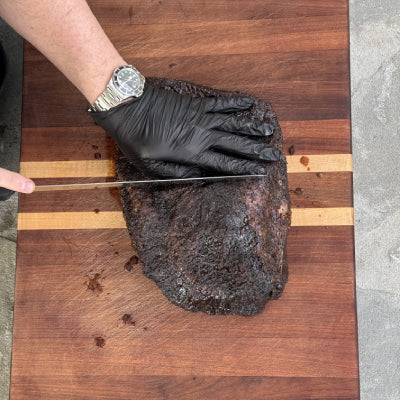
How to Slice a Brisket
There’s nothing better than a properly smoked brisket. After hours of trimming, seasoning, smoking, wrapping, and resting, that tough cut of beef has turned into tender slices with a dark, flavorful bark. But don’t rush the finish line. How you rest and slice the brisket can make the difference between meat that is tender and juicy and meat that feels dry or chewy. We have sliced hundreds—maybe even thousands—of briskets through our catering business, so we are going to walk you through the Lane’s way, step by step.
Still working on the cook itself? Start with our complete How to Smoke a Brisket guide, then come back here when it is time to slice.
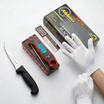
What You'll Need
Step 1: Allow the Brisket to Rest
RESTING IS THE MOST IMPORTANT PART!
You worked hard trimming, seasoning, and dealing with the long smoke. You may be thinking, “The work is done—let’s slice into this bad boy and chow down!” We are here to tell you to pump the brakes. Slicing into a brisket too soon can send those juices running across the cutting board instead of keeping them in the meat.
Once you remove the brisket from the heat, let it rest for at least 2 hours. We prefer 3–4 hours when the schedule allows. Do not simply toss it on the counter for the entire rest. Keep it wrapped and hold it in a temperature-controlled Cambro, an insulated cooler such as a Yeti, or a low oven. If you use a cooler, wrap the brisket in a towel before placing it inside.
Why the Rest Matters
The brisket has spent hours under heat. Resting gives the meat time to relax and helps the moisture settle back through the flat and point instead of pouring out the moment you cut it.
Hold It Safely
For a long hold, keep the brisket hot rather than letting it drift through unsafe temperatures. A thermometer makes it easier to monitor the meat while it rests.
Step 2: Identify the Grain of the Meat
Before slicing, identify the direction of the grain—the visible lines of muscle fibers running through the meat. Cutting across those fibers shortens them, which makes every bite easier to chew. Cutting with the grain leaves long fibers and can make even a perfectly cooked brisket seem tough.
A whole packer brisket has two muscles: the flat, which is leaner, and the point, which contains more fat and all that rich goodness. The grain runs in different directions in the two muscles. If you slice the entire brisket in one direction, you will likely get one half right and the other half wrong.
Lane’s tip: Before seasoning a raw brisket, trim a small corner from the flat across the grain. After the bark forms, that little marker makes the original grain direction much easier to find.
Step 3: Separate the Point and Flat of the Brisket
On most briskets, the flat and point meet around the middle. The flat is thinner; where the brisket begins to bulge and thicken is where the point takes over. We are right-handed, so we like to place the brisket on the cutting board with the lean flat to our left and the point to our right.
Using a sharp slicing or brisket knife, make your first cut around the halfway mark where you believe the flat and point meet. A long, sharp blade is the key. A scalloped or serrated brisket slicer can move through the bark cleanly without forcing you to saw back and forth.

Step 4: Slice the Brisket
- Start with the flat. Place one hand gently on the lean side and begin at the initial cut where the point and flat meet. Slice the flat from right to left, working against the grain.
- Keep the flat slices thinner. We aim for about 1/4 to 1/2 inch thick. The leaner flat usually eats better in thinner slices.
- Trim the end of the point. Remove about an inch from the far end of the point. We call this the burnt end and put it aside for quality control. It is a tough job, but somebody has to taste it.
- Rotate the point. Turn the point about 45–90 degrees so you are once again cutting across its grain.
- Slice the point thicker. Cut from right to left in slices about 1/2 to 3/4 inch thick. The extra fat in the point lets it handle a thicker slice.


Let the brisket tell you what it needs. If a slice falls apart before you can lift it, cut the next one a little thicker. If it feels chewy, verify the grain direction and try a thinner slice.
Step-by-Step Brisket Slicing Video
Step 5: Arrange and Serve
Once the brisket is sliced, arrange the tender slices on a serving platter or cutting board. Keep the slices in their original order for a clean presentation and make it easy for guests to choose between the lean flat and fattier point.
For the juiciest results, do not slice the entire brisket hours ahead of time. Slice only what you plan to serve, then keep the remaining brisket whole and covered. A whole piece holds moisture far better than a stack of exposed slices.
Serve the brisket with your favorite Lane’s sauce or a light dusting of seasoning. Our original recommendation is Lane’s Sorta White Sauce. It may not be the first sauce people expect with brisket, but that creamy, tangy bite works mighty well with smoky beef.
Tips and Tricks for Slicing Brisket
Use a Sharp Knife
A sharp carving or brisket knife creates clean slices. A dull blade tears the bark, crushes the meat, and makes the whole job harder than it needs to be.
Practice Consistency
Aim for an even thickness within each section. Uniform slices look better and give everyone a similar balance of bark, smoke, and tenderness.
Slice to Order
Slice the brisket just before serving. Once sliced, more surface area is exposed and moisture escapes faster.
What Should a Good Brisket Slice Look Like?
A well-sliced piece of flat should bend over your finger without immediately breaking apart. When you pull gently, it should separate with a little resistance. If it crumbles on contact, the brisket may be overcooked or the slices may be too thin. If it stretches and fights back, check that you are cutting against the grain.
Common Brisket Slicing Mistakes
That first slice is tempting, but opening the brisket early can cost you moisture. Give it at least 2 hours whenever possible.
The grain changes direction between the two muscles. Rotate the point before slicing it.
A blade that cannot span most of the brisket encourages short, rough sawing motions that tear the bark and meat.
Use your guide hand to steady the meat, not squeeze it. Heavy pressure pushes valuable juices onto the cutting board.
Brisket dries faster after it is cut. Keep the unsliced portion whole and covered until guests are ready for more.
The lean flat benefits from thinner slices, while the rich point can handle thicker cuts.
FAQs: How to Slice a Brisket
How long should a brisket rest before slicing?
Rest it for at least 2 hours. Lane’s prefers a 3–4 hour controlled rest when time allows. Keep the brisket wrapped and hold it in an insulated cooler, Cambro, or low oven.
Which direction should I slice brisket?
Always slice across the grain. Because the grain in the flat and point runs in different directions, slice the flat first, then rotate the point before slicing it.
How thick should brisket slices be?
Slice the lean flat about 1/4 to 1/2 inch thick. Slice the fattier point about 1/2 to 3/4 inch thick. Adjust slightly based on how tender the brisket is.
Should I separate the point and flat before slicing?
You do not have to fully separate the muscles along the fat seam. Lane’s starts with a cross-cut near the middle where the flat meets the point, slices the flat, then rotates and slices the point against its grain.
What is the best knife for slicing brisket?
Use a long, very sharp slicing knife or brisket knife. A scalloped or lightly serrated edge can help move through firm bark without tearing the tender meat underneath.
Why is my sliced brisket falling apart?
It may be slightly overcooked, still too hot, or sliced too thin. Let it finish resting and make the next slices thicker so they hold together.
Why does my brisket seem chewy after slicing?
First check the grain direction. Slicing with the grain leaves long muscle fibers and creates a chewy bite. A brisket can also feel tough if it was undercooked and never became probe-tender.
Can I slice brisket ahead of time?
You can, but it is not the best move. Brisket stays juicier when held whole. Slice as close to serving time as possible and keep any remaining unsliced meat covered.
How should I store leftover sliced brisket?
Refrigerate leftovers promptly in an airtight container with any reserved juices. Reheat gently, covered, with a little broth or saved brisket juice so the slices do not dry out.
Now Slice It, Serve It, and Enjoy It
Following these steps will help you protect all the work that went into the cook and serve brisket that is tender, flavorful, and easy to eat. Keep the knife sharp, follow the grain, and remember: brisket rewards patience right up to the very last step.
Need Help Smoking the Brisket First?
Our complete brisket guide covers choosing, trimming, seasoning, smoking, wrapping, resting, and finishing a whole packer brisket the Lane’s way.


1 comment
David Peterson
You folks at Lanes got it down man everything looks so delicious I’m getting ready to eat my cell phone it looks so good but I appreciate and appreciate what you say and I enjoy the way you cooking it thing ,,you know? Great appreciation peace
Leave a comment
All comments are moderated before being published.
This site is protected by hCaptcha and the hCaptcha Privacy Policy and Terms of Service apply.