








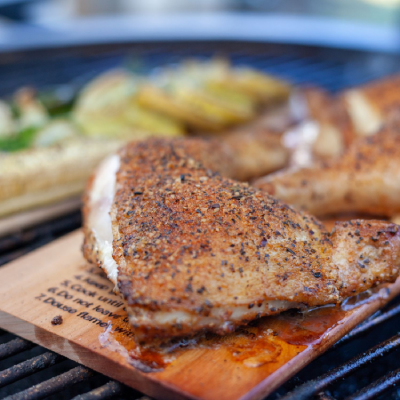
How to Grill and Smoke Delicious Chicken Thighs
Chicken thighs are rich, forgiving, and built for the grill or smoker. Their extra fat and connective tissue help them stay juicy while the outside picks up char, smoke, and plenty of Lane's flavor. The only real trick is matching the method to the thigh: boneless cooks fast, bone-in needs more patience, and skin-on deserves enough heat to become crisp instead of chewy.
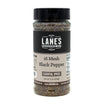
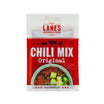
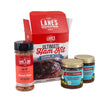
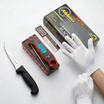
What You'll Need
Choosing the Right Chicken Thighs
Chicken thighs contain more fat and connective tissue than chicken breasts, which gives them richer flavor and a wider margin for error. Bone-in and skin-on thighs bring the most flavor and protect the meat during a longer cook. Boneless, skinless thighs are faster and easier for sandwiches, tacos, rice bowls, and weeknight dinners.
Bone-In, Skin-On
Best for smoking and for grilled thighs with crispy skin. They take the longest but reward you with rich flavor and a dramatic little piece of chicken architecture.
Boneless, Skinless
Best for quick direct grilling. Their uneven shape creates browned edges, but thinner sections can finish before the thick center, so arrange them evenly.
Bone-In, Skinless
A solid middle ground when you want the flavor and moisture protection of the bone without managing skin. Cook mostly over indirect heat.
Choose thighs that are close in size so they finish at roughly the same time. If the package looks like it contains one chicken thigh and three chicken blankets, plan to remove the smaller pieces first.
How to Prepare Chicken Thighs
- Keep the chicken cold. Refrigerate it until preparation and cooking time. Thaw frozen thighs completely in the refrigerator.
- Trim loose pieces. Remove large pockets of excess fat, dangling skin, and thin scraps that are likely to burn. Leave enough skin to cover the meat.
- Pat everything dry. Surface moisture blocks browning. Dry the chicken thoroughly, especially the skin.
- Flatten boneless thighs. Open each piece into a fairly even layer. Tuck or trim very thin sections so they do not burn before the center finishes.
- Season all sides. Apply seasoning to the meat side, around the edges, and lightly over the skin. Work a little seasoning beneath loose skin when practical.
- Refrigerate if seasoning ahead. Seasoned skin-on thighs can rest uncovered in the refrigerator for several hours to dry the surface and encourage better browning.
Do not wash raw chicken. Rinsing can splash bacteria around the sink and nearby surfaces. Pat it dry with paper towels, discard them, then wash your hands and sanitize the work area.
Best Seasonings and Marinades for Chicken Thighs
The original Lane's article recommends Chili Lime, Fiesta, Signature, Spellbound, and Cubano, and all five remain strong choices. Chicken thighs can handle bold seasoning, but remember that the skin shrinks during cooking and can concentrate salt.
Classic BBQ
Spellbound brings a sweet-savory BBQ profile, while Signature gives you a versatile everyday chicken flavor.
Bright and Zesty
Chili Lime works for tacos and rice bowls. Fiesta brings a savory Mexican-inspired direction.
Cuban-Inspired
Cubano pairs well with citrus, rice, beans, grilled onions, and sandwiches.
Using Marinades and Sauces
A homemade marinade can be as simple as olive oil, soy sauce, garlic, lemon juice, herbs, and seasoning. Marinate chicken thighs in the refrigerator for at least 30 minutes or according to the recipe. Long acidic marinades can soften the surface too much, so more time is not automatically more better.
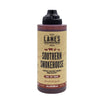
For a sauced finish, try One-Legged Chicken Sauce or Spicy N' Sweet Sauce. Brush sauce on during the final few minutes so the sugars set without burning.
Never reuse raw chicken marinade as a finishing sauce. Reserve a clean portion before adding the chicken, or boil used marinade according to a tested food-safety method before serving.
How to Grill Boneless Chicken Thighs
Boneless thighs cook quickly and can spend most of the cook over direct heat, just as the original Lane's article recommends. A two-zone grill still gives you a cooler landing spot if the outside browns too quickly.
- Preheat the grill. Bring it to 400–425°F with a direct side and a cooler side. Clean and lightly oil the grates.
- Arrange the thighs evenly. Place them smooth-side down over direct heat. Do not crowd the grate.
- Grill the first side. Cook for roughly 4–6 minutes with the lid closed, then turn when the meat releases cleanly and has good color.
- Finish the second side. Cook another 4–6 minutes, moving thinner pieces to the cooler zone as needed.
- Sauce near the end. Brush on sauce during the final 2–3 minutes, turning once or twice to set it without scorching.
- Check the thickest part. The chicken must reach at least 165°F. For a more tender thigh texture, continue carefully toward roughly 175–185°F.
- Rest briefly. Transfer to a clean platter and rest for 5 minutes before slicing.
Boneless thighs often take around 8–12 minutes total, but thickness and grill heat matter more than the estimate. Pull smaller pieces as they finish instead of waiting for a group graduation ceremony.
How to Grill Bone-In Chicken Thighs
Bone-in thighs need more time and gentler heat than boneless pieces. Starting over indirect heat cooks the center without burning the skin. A short direct finish gives the outside the color and crispness everybody showed up for.
- Set up two zones. Preheat the grill to 375–400°F with a direct side and an indirect side.
- Start skin-side up over indirect heat. Close the lid and cook for 15–20 minutes.
- Turn skin-side down. Continue over indirect heat for another 10–15 minutes, monitoring the skin and checking temperature near the bone.
- Crisp over direct heat. Move the thighs skin-side down over the hotter zone for 1–3 minutes. Watch constantly because rendered fat can flare.
- Sauce if desired. Move back to indirect heat, brush with sauce, and close the lid for 2–3 minutes to set it.
- Verify doneness. Check the thickest meat without touching the bone. Aim for at least 165°F, with 175–185°F often producing a more tender thigh.
- Rest for 5 minutes. Serve from a clean platter with the crispy skin facing up.
Expect approximately 30–40 minutes, but cook to temperature and texture rather than forcing every thigh to obey the same clock.
How to Smoke Chicken Thighs
Chicken thighs take smoke quickly, so you do not need an all-day cook or a woodpile worthy of winter. Cooking at 275–300°F gives the skin a better chance to render than the traditional 225°F smoking temperature.
- Preheat the smoker. Set it to 275–300°F and make sure the heat and smoke are running cleanly.
- Choose the wood. Apple gives mild sweetness, hickory brings a stronger BBQ profile, and mesquite should be used lightly because chicken can pick up bitterness quickly.
- Arrange with space. Place thighs skin-side up with room for heat and smoke to circulate.
- Smoke until nearly done. Cook bone-in thighs for roughly 60–90 minutes, checking earlier for small pieces. Boneless thighs may finish considerably faster.
- Sauce near the end. Brush on sauce during the final 10–15 minutes so it sets rather than burns.
- Finish the skin if needed. Move skin-on thighs to a 375–425°F grill or hot smoker for a few minutes, watching closely.
- Check temperature. Verify at least 165°F in the thickest part. Continue toward 175–185°F when needed for tender dark meat.
- Rest for 5 minutes. Keep the skin uncovered so trapped steam does not soften it.
Do You Need to Soak Wood Chips?
Follow the instructions for your grill, smoker box, or chip tray. Many smokers and charcoal setups work best with dry wood chips or chunks. Soaked chips delay smoking and create steam first, so soaking is not a universal requirement.
How to Get Crispy Chicken Thigh Skin
Dry It Thoroughly
Moisture must evaporate before skin can brown. Pat the thighs dry and, when time allows, refrigerate them uncovered after seasoning.
Use Enough Heat
Low smoke alone can leave the skin chewy. Smoke around 275–300°F, then finish at higher heat when necessary.
Do Not Drown It
Heavy marinades and early sauce work against crisp skin. Wipe away excess marinade and glaze only near the end.
Render Before the Final Sear
Cook most of the way over indirect heat so the fat beneath the skin has time to render. Then use brief direct heat for the final crisping.
Watch for Flare-Ups
Chicken thigh skin releases fat directly over the fire. Stay close, keep a cooler zone available, and move the thighs rather than letting them participate in open-flame activities.
What Temperature Should Chicken Thighs Reach?
All chicken thighs must reach a safe minimum internal temperature of 165°F. Measure in the thickest part without touching the bone. Check more than one piece because grill hot spots and different thigh sizes can create different finish times.
165°F: Safe Minimum
FoodSafety.gov lists 165°F as the safe minimum for all poultry, including breasts, legs, thighs, and wings.
175–185°F: Tender Thigh Texture
Dark thigh meat contains connective tissue that continues to soften above 165°F. Many cooks prefer thighs closer to 175–185°F because they become more tender without drying as quickly as chicken breast.
Temperature is not a suggestion. Color and clear juices are unreliable doneness tests. Use a thermometer and keep the probe away from the bone.
Chicken Thigh Troubleshooting
The Skin Is Rubbery
The skin stayed too wet or cooked too low. Pat it dry, avoid heavy marinade, smoke at 275–300°F, and finish over higher heat for a few minutes.
The Outside Burned Before the Center Finished
The heat was too direct or the sauce went on too early. Move the chicken to the cooler zone, close the lid, and finish with indirect heat.
The Thighs Are Tough Near the Bone
They may be safe at 165°F but need additional cooking for a more tender texture. Continue over indirect heat and recheck around 175–185°F.
The Smoke Tastes Bitter
Use less wood and make sure the fire burns cleanly. Heavy white smoke, too much mesquite, or smoldering wood with poor airflow can overpower chicken quickly.
The Chicken Stuck to the Grate
Start with clean, lightly oiled grates and let the chicken develop a crust before turning. If it is firmly stuck, it may not be ready to release.
Some Pieces Finish Early
That is normal. Move finished thighs to a clean platter and loosely tent if needed. Do not overcook the small ones while waiting for the heavyweight division.
Grilled and Smoked Chicken Thigh FAQs
What temperature should chicken thighs reach?
Chicken thighs must reach at least 165°F in the thickest part. Many cooks continue to approximately 175–185°F for a more tender dark-meat texture.
How long do boneless chicken thighs take on the grill?
Boneless thighs often take roughly 8–12 minutes at 400–425°F, turning once. Thickness and grill heat vary, so verify doneness with a thermometer.
How long do bone-in chicken thighs take on the grill?
Bone-in thighs often take approximately 30–40 minutes at 375–400°F when cooked mostly over indirect heat and finished briefly over direct heat.
What temperature should I use to smoke chicken thighs?
Smoke chicken thighs at 275–300°F. This is hot enough to help render the skin while still allowing the meat to pick up smoke.
How do I get crispy skin on smoked chicken thighs?
Pat the skin dry, smoke at 275–300°F, avoid heavy marinades, and finish the thighs briefly at 375–425°F. Keep the skin uncovered while resting.
Should chicken thighs be grilled over direct or indirect heat?
Boneless thighs can cook mostly over direct heat with a cooler zone available. Bone-in thighs should cook mostly over indirect heat, followed by a brief direct-heat finish for the skin.
When should I add BBQ sauce to chicken thighs?
Add BBQ sauce during the final few minutes of grilling or the final 10–15 minutes of smoking. Adding sugary sauce too early can cause it to burn.
What wood is best for smoked chicken thighs?
Apple provides mild sweetness, while hickory gives a stronger traditional BBQ flavor. Mesquite can work in small amounts but may overpower chicken quickly.
Do chicken thighs need to rest after cooking?
Yes. Rest chicken thighs for about 5 minutes before serving. Leave crispy skin uncovered so steam does not soften it.
Chicken Thighs That Deserve a Repeat Cook
Choose the thigh that fits your schedule, season it like you mean it, and build a grill with both a hot side and an escape route. Cook to at least 165°F, let dark meat climb higher when it needs tenderness, and save sweet sauce for the finish. Do that, and chicken thighs stop being the backup plan and start becoming the reason the grill was lit.


Leave a comment
All comments are moderated before being published.
This site is protected by hCaptcha and the hCaptcha Privacy Policy and Terms of Service apply.