



Updated July 30, 2026
Grilling hamburgers is a backyard classic for a reason. The ingredients are simple, the cook is quick, and everybody gets to build their own masterpiece. Still, a great burger does not happen by accident. The difference between juicy and dry often comes down to the beef, how you shape it, when you season it, and whether you let the grill do its job without smashing every drop of juice into the fire.
This guide breaks the cook into the same three parts as the original Lane’s article: the grill, the meat, and the cook. We have filled in the details, added instructions for charcoal, gas, and pellet grills, and included the answers beginners usually need when the grill is already hot and everyone is suddenly hungry.
What You’ll Need
What Ground Beef Is Best for Hamburgers?
For a classic grilled hamburger, start with 80/20 ground chuck. That means roughly 80% lean meat and 20% fat. The fat adds flavor and helps the patty stay juicy over high heat. Leaner beef can work, but it gives you less room for error and can dry out faster.
The original Lane’s guide recommended beef with at least 20% fat, and that advice still holds up. If you have the time and budget, ask a butcher to grind chuck for you or grind a chuck roast at home. Otherwise, fresh store-bought 80/20 ground chuck is dependable and easy to find.
Quick Answer
How much ground beef do you need per burger? Use 4–6 ounces for a standard grilled burger. A 4-ounce patty is a solid everyday burger, while 6 ounces gives you a thicker, steakhouse-style bite.
How to Shape Burger Patties That Stay Juicy
- Keep the beef cold. Cold ground beef holds together better and keeps the fat from softening while you work.
- Portion it evenly. Weigh 4–6 ounces per patty if you want every burger to finish around the same time.
- Handle it gently. Bring the meat together just firmly enough to hold its shape. Overworking or packing it tightly creates a dense, tough burger.
- Make it wider than the bun. Shape each patty about 1 inch wider than its bun because the meat will shrink as it cooks.
- Add a shallow dimple. Press a small indentation into the center with your thumb. This helps reduce the dome that can form as a thicker patty cooks.
Do not mix the seasoning into the beef for this style of burger. Form the patties first, then season the outside shortly before grilling. That preserves a looser texture and helps create a flavorful crust.
Best Seasonings for Grilled Hamburgers
A burger should be treated like a steak: season the outside evenly, then let high heat build the crust. Season both sides a few minutes before the patties hit the grill. Salting them far in advance can change the texture and pull moisture toward the surface.
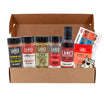
Steak Supreme
Bold, savory beef flavor with the kind of crust that makes a burger taste like it came from the good steakhouse across town.
Applewood Rub
A sweet, smoky option that works especially well with bacon, cheddar, caramelized onions, or barbecue sauce. Applewood is seasonal, so grab it when it makes its annual appearance.
SPG
Salt, pepper, and garlic give you the straightforward burger flavor that never needs an explanation.
Signature
A balanced all-purpose choice for cheeseburgers and burgers piled high with classic toppings.
Brisket Rub
Built for beef and right at home on a thick grilled patty with sharp cheddar and grilled onions.
More Lane’s Favorites
Cubano adds a savory citrus note, while Spellbound Hot brings a sweet kick.
Our Two Burger Picks
Use Steak Supreme when you want a bold steakhouse-style burger. Use Applewood Rub when the toppings lean smoky, sweet, bacon-heavy, or barbecue-inspired. There is no wrong answer here, unless the answer is an unseasoned burger.
How to Prepare the Grill for Hamburgers
For the best combination of crust and control, create a hot direct-heat area for searing and a cooler indirect area where burgers can finish without burning.
Charcoal Grill
Light enough charcoal to cover roughly half the grill, then bank it on one side. This creates a hot direct zone and a cooler indirect zone. The original guide estimated 3–4 pounds, but grill size and charcoal type determine the amount you will actually need.
Gas Grill
Preheat all burners on medium-high to high for 15–20 minutes. Clean the grates, then turn off one side or reduce it to low to create an indirect finishing zone.
Pellet Grill
Preheat at the grill’s highest setting. Use the direct-flame or sear feature if your cooker has one. If it does not, cook at high heat and follow the manufacturer’s instructions for grilling burgers.
Clean the grates once they are hot, then lightly oil them if needed. Keep the lid closed during preheating so the metal grates get hot enough to sear instead of merely warming the burger’s feelings.
If your setup allows you to add wood, oak, hickory, and mesquite all pair well with beef. Keep the smoke clean and light because burgers cook quickly.
How to Grill Hamburgers Step by Step
- Preheat the grill. Bring it to medium-high or high heat and establish direct and indirect cooking zones when possible.
- Clean the grates. Brush away old residue and lightly oil the grates if your grill tends to stick.
- Season the patties. Season both sides evenly just before grilling.
- Start over direct heat. Place the burgers on the hot side and close the lid.
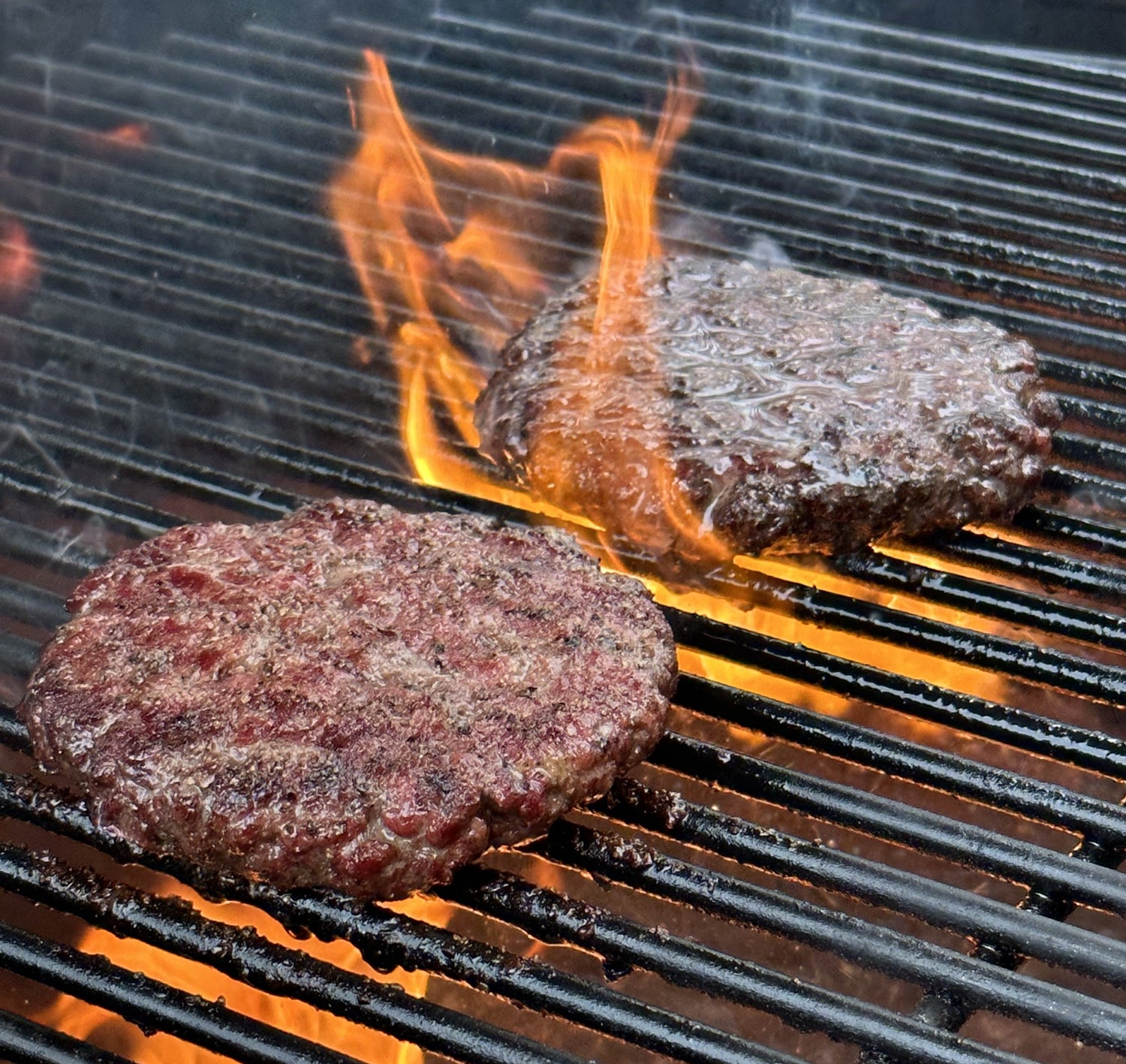
- Cook the first side for about 3–4 minutes. Leave the patty alone long enough to develop a crust and release naturally from the grate.
- Flip once. Turn the burgers with a wide spatula and cook the second side for another 3–4 minutes.
- Check the internal temperature. Insert an instant-read thermometer through the side toward the center of the patty.
- Finish over indirect heat if needed. Move the burgers to the cooler zone, close the lid, and continue cooking until they reach 160°F.
- Add cheese near the end. Place cheese on the patties during the final 1–2 minutes and close the lid to help it melt.
- Rest briefly. Move the burgers to a clean plate and let them rest for about 3–5 minutes while you toast the buns and prepare for assembly.
Most 4–6 ounce patties take roughly 8–12 minutes, but grill heat, patty thickness, weather, and how often somebody “just checks” the lid can all change the timing. Temperature makes the final call.
What Temperature Should Hamburgers Reach?
Cook Ground Beef to 160°F
FoodSafety.gov and the USDA recommend cooking ground beef to a minimum internal temperature of 160°F. Check the center with an instant-read thermometer. Ground meat should not use the same doneness chart as a whole steak.
Insert the thermometer through the side of the burger so the tip reaches the center without passing through the thin top-to-bottom dimension. Check more than one patty, especially if they differ in thickness or sit over different parts of the grill.
Color is not a dependable doneness test. A burger can remain pink after reaching a safe temperature, while another can turn brown before it is safely cooked. Trust the thermometer, not the burger’s wardrobe.
Cheese, Toasted Buns, and Burger Toppings
When to Add Cheese
Add cheese during the last 1–2 minutes of cooking. Close the lid briefly to trap enough heat to melt it. American melts smoothly, cheddar brings sharper flavor, pepper jack adds heat, and Swiss is ready whenever mushrooms are involved.
How to Toast Burger Buns
Brioche and potato buns provide the soft, rich texture recommended in the original guide. Lightly butter or oil the cut sides and place them over direct heat for 30–60 seconds. Watch closely because a perfectly toasted bun and a tiny charcoal frisbee are separated by about one conversation.
Build from the Bottom Up
Start with the bottom bun, sauce, burger, cheese, sturdy toppings, fresh toppings, and the top bun. Lettuce, tomato, onion, pickles, ketchup, mustard, and mayo keep things classic. Bacon, grilled onions, jalapeños, mushrooms, barbecue sauce, or a fried egg can turn dinner into a two-napkin situation.
How Burger Grilling Changes by Grill Type
Charcoal
Best approach: Sear over the coal bank, then finish on the cooler side.
Watch for: Fat flare-ups under the patties.
Gas
Best approach: Sear over lit burners, then move to the low or unlit side.
Watch for: Hot spots and excessive lid opening.
Pellet
Best approach: Use the highest setting or direct-flame feature available.
Watch for: A lighter crust on models without direct heat.
If you are cooking thin patties on a flat-top instead, use the high-heat pressing technique in our smashburger guide. A smashburger gets pressed immediately on the griddle. A traditional grilled burger does not. Same family, very different rules at the reunion.
Common Burger Mistakes and How to Fix Them
The Burger Falls Apart
The meat may be too warm, too loosely joined, or flipped before a crust forms. Keep it cold, shape it gently but securely, and wait until it releases from the grate.
The Burger Is Dry
Use 80/20 beef, stop pressing the patty, and cook to temperature instead of adding “just another few minutes” for emotional security.
The Burger Turns Into a Ball
Make the raw patty wider than the bun and add a shallow center dimple before grilling.
The Outside Burns Too Soon
Move the burger to indirect heat. A two-zone grill lets the center finish without sacrificing the crust.
The Burger Sticks
Preheat and clean the grates, then give the first side time to sear. Meat usually releases more easily once a proper crust forms.
The Grill Keeps Flaring
Move the patties away from the flame rather than spraying water into the cooker. Close the lid and use the cooler zone until the flare-up settles.
Frequently Asked Questions About Grilling Hamburgers
What is the best ground beef for grilled hamburgers?
Use 80/20 ground chuck for a classic grilled hamburger. Its 20% fat content provides enough flavor and moisture to help the patty remain juicy over high heat.
What temperature should a grill be for hamburgers?
Preheat the grill to medium-high or high heat, generally around 400–450°F at the grate. A hot direct zone builds the crust, while a cooler indirect zone lets you finish the center without burning the outside.
How long do hamburgers take on the grill?
Most 4–6 ounce burger patties take about 8–12 minutes over medium-high to high heat. Patty thickness, grill temperature, weather, and cooker type affect the time, so confirm doneness with a thermometer.
What internal temperature should hamburgers reach?
Cook ground beef hamburgers to a minimum internal temperature of 160°F. Insert an instant-read thermometer through the side of the patty into its center.
Should you press down on burgers while grilling?
No. Pressing a traditional burger while it cooks forces flavorful juices and fat onto the fire. Flip it with a spatula without pressing. Smashburgers are the exception because they are pressed immediately on a flat-top to create a thin crust.
How do you keep hamburgers from shrinking?
Some shrinkage is normal. Form the raw patty about 1 inch wider than the bun, avoid overworking the beef, and add a shallow dimple in the center to reduce doming.
When should you season hamburger patties?
Form the patties first, then season both sides shortly before they go on the grill. This keeps the texture loose and puts the seasoning where it can help form a flavorful crust.
Do you grill burgers with the lid open or closed?
Close the lid during most of the cook to hold heat and cook evenly, opening it to flip, check temperature, move the patties, or add cheese. Follow your grill manufacturer’s instructions when using a direct-flame pellet grill feature.
What Lane’s seasoning is best on hamburgers?
Steak Supreme makes a bold steakhouse-style burger, while Applewood Rub adds sweet, smoky flavor that pairs especially well with bacon, cheddar, grilled onions, and barbecue sauce. SPG is the best choice for a simple classic burger.
Bring Everybody to the Table
Once you have the basics down, burgers become one of the easiest meals to make your own. Start with good 80/20 beef, shape it gently, season the outside, build a proper sear, and cook it to 160°F. Toast the buns, set out the toppings, and let everybody build the burger they actually want. That is a whole lot better than taking six custom orders beside a hot grill.
Serve them with fries, coleslaw, potato salad, grilled corn, or whatever gets your people around the table. Happy grilling!


Leave a comment
All comments are moderated before being published.
This site is protected by hCaptcha and the hCaptcha Privacy Policy and Terms of Service apply.