





How to grill chicken without drying it out
updated 07/30/2026
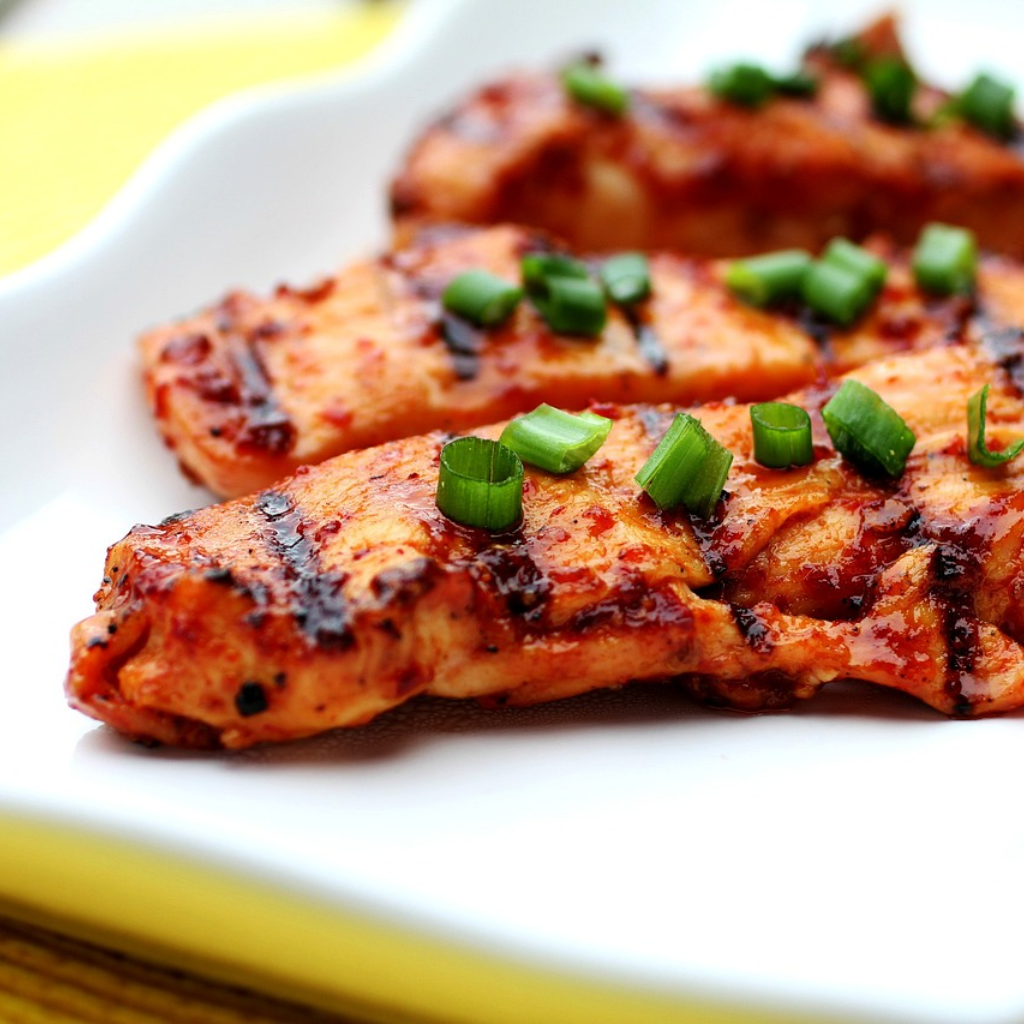
Good grilled chicken does not require expert-level grill skills. Start with evenly sized pieces, create a hot zone and a cooler zone, season confidently, and use a thermometer instead of cutting every piece open like you are searching for buried treasure.
This beginner’s guide focuses first on boneless chicken breasts, then explains how the method changes for thighs, drumsticks, wings, and bone-in pieces. By the end, you will know where to place the chicken, when to flip it, when to move it away from the flame, and how to tell when dinner is safely done.
What You’ll Need
Choose the Right Chicken Cut
You can grill nearly any chicken cut, but they do not all cook the same way. Boneless breasts are quick and lean. Thighs and drumsticks contain more fat and connective tissue, so they tolerate longer cooking and often taste better when taken beyond the minimum safe temperature.
Boneless breasts
Lean, quick, and easy to overcook. Choose breasts close to the same size and flatten the thick end so each piece cooks evenly.
Chicken thighs
More fat means more flavor and a wider margin for error. Boneless thighs cook quickly; bone-in thighs do best with direct and indirect heat.
Drumsticks and wings
These cuts benefit from gentler cooking before a direct-heat finish. Turn them several times for evenly browned skin.
For your first simple cook, boneless breasts or boneless thighs are the easiest place to start. If grilling several cuts together, group similar pieces and expect them to finish at different times. Chicken does not believe in team-building exercises.
How to Prepare Chicken for the Grill
- Keep raw chicken cold - Leave it refrigerated until you are ready to prepare it. There is no need to bring chicken fully to room temperature before grilling.
- Do not rinse it - Rinsing raw chicken can splash bacteria around the sink and nearby surfaces. Cooking to the proper temperature makes it safe.
- Pat the surface dry - Use paper towels, then discard them immediately. A dry surface holds seasoning and browns more effectively.
- Even out thick breasts - Place each breast between sheets of plastic wrap or in a food-safe bag and gently pound the thick end until the piece is a relatively even ½–¾ inch thick.
- Apply a light coat of oil - Rub the chicken with a small amount of high-heat cooking oil. This helps the seasoning adhere and reduces sticking.
- Season every side - Apply your chosen rub evenly. Season while the grill preheats so the rub has a few minutes to settle onto the meat.
Avoid cross-contamination. Use a clean plate for cooked chicken, wash your hands after touching raw poultry, and clean knives, boards, brushes, and tongs before they touch cooked food. The raw-chicken plate does not get an encore.
Set Up the Grill with Two Heat Zones
The original Lane’s article recommended medium-high heat around 375–400°F, which remains a solid starting point. The upgrade is creating two zones instead of heating every inch of the grill equally.
- Direct zone: The area directly above lit burners or hot coals. Use it for browning and grill marks.
- Indirect zone: The area beside the heat source. Use it when the outside is browning faster than the center is cooking.
On a gas grill, light one side and leave the other side off or lower. On a charcoal grill, bank the coals to one side. Preheat with the lid closed, then clean the grates thoroughly.
Instead of brushing oil onto blazing-hot grates with a loose paper towel, lightly oil the chicken itself. Never spray aerosol cooking oil toward a lit grill. Eyebrows take a surprisingly long time to grow back.
For a full explanation of heat zones, see our Direct vs. Indirect Grilling guide.
How to Grill Boneless Chicken Breasts
This method is designed for breasts pounded to an even ½–¾ inch thickness. Very thick or unusually large pieces will need more indirect cooking time.
- Preheat to 375–400°F - Prepare direct and indirect zones, close the lid, and allow the grill to heat fully.
- Clean the grates - Brush away old food and buildup. Clean, hot grates release chicken more easily.
- Place the breasts over direct heat - Lay them across the grates with room between the pieces. Close the lid.
- Cook the first side for about 4–6 minutes - Leave the chicken alone long enough to brown and release naturally. If it clings firmly, it may not be ready to flip.
- Flip once - Turn with clean tongs and cook the second side for roughly 4–6 minutes.
- Move pieces as needed - If the outside is darkening before the center is ready, move the chicken to indirect heat and close the lid.
- Check the internal temperature - Insert an instant-read thermometer into the thickest part from the side. Remove each piece when it reaches 165°F.
- Rest for 5 minutes - Transfer to a clean plate and let the chicken rest before slicing.
The cooking times are estimates, not appointments. Thickness, grill temperature, wind, starting temperature, and whether the lid stays closed all affect the cook. The thermometer gets the final vote.
How Long to Grill Different Chicken Cuts
Use these ranges to plan when you should begin checking. Always finish according to internal temperature, not the timer.
Boneless chicken thighs
Grill over medium direct heat for roughly 5–7 minutes per side. They are safe at 165°F, but many cooks prefer the texture around 175–185°F because additional heat softens connective tissue.
Bone-in thighs
Cook mostly over indirect heat with the lid closed for about 30–40 minutes, turning occasionally. Finish skin-side down over direct heat for crispness. Cook to at least 165°F.
Drumsticks
Cook over indirect or medium heat for approximately 30–40 minutes, turning every several minutes for even color. Finish over direct heat if needed and cook to at least 165°F.
Chicken wings
Grill over indirect or medium heat for about 20–30 minutes, turning frequently, then finish briefly over direct heat to crisp the skin. Cook to at least 165°F.
Bone-in chicken breasts
Cook mainly over indirect heat for approximately 30–45 minutes, then brown over direct heat if needed. Check the thickest portion without touching bone and cook to 165°F.
Whole chicken
Use indirect heat with the lid closed. Timing varies widely by weight and grill temperature, so follow a whole-chicken recipe and verify 165°F in the breast and innermost thigh.
Bone-in and skin-on pieces can cause flare-ups as fat renders. Move them to indirect heat rather than letting flames repeatedly lick the surface. Fire is useful. Fire freelancing is not.
Best Seasonings for Grilled Chicken
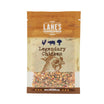
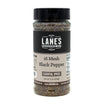
The original article recommended Spellbound, Spellbound Hot, Sweet Heat, and Signature. Those all stay because each gives beginners a clear flavor direction. We are also adding Legendary Chicken because sometimes the seasoning has already read the job description.
Legendary Chicken
A dependable all-purpose chicken profile for breasts, thighs, drumsticks, and wings.
Spellbound
A crowd-friendly choice that brings color and balanced sweetness to grilled chicken.
Spellbound Hot
The sweet-savory Spellbound direction with extra heat for chicken sandwiches, thighs, and wings.
Sweet Heat
A barbecue-forward option for grilled thighs, drumsticks, and chicken that will be finished with sauce.
Signature
A versatile savory seasoning that works across chicken, vegetables, and the rest of dinner.
Seasoning blends that contain sugar can darken quickly over direct heat. If the chicken is getting too dark, move it to the indirect side. That is heat management, not surrender.
When to Put BBQ Sauce on Grilled Chicken
Add barbecue sauce during the final 3–5 minutes of cooking. Most sauces contain sugar, which can burn when exposed to direct heat for too long.
- Cook the chicken almost completely - Wait until it is near the final internal temperature.
- Move to indirect or moderate heat - This gives the sauce time to set without scorching.
- Brush on a thin layer - Use a clean brush and sauce that has not contacted raw chicken.
- Close the lid briefly - Let the sauce become tacky for 1–2 minutes.
- Add a second light coat if desired - Build flavor in layers instead of applying one barbecue mudslide.
If you want sauce at the table, pour a separate portion before brushing the chicken. Never serve leftover sauce that has been touched by a raw-poultry brush.
How to Check Grilled Chicken for Doneness
All chicken cuts need to reach a safe minimum internal temperature of 165°F. Color, clear juices, firmness, and grill marks are not reliable substitutes for a thermometer.
- Boneless breasts: Insert the thermometer horizontally from the side into the thickest section.
- Thighs and drumsticks: Measure the thickest meat without touching bone.
- Wings: Check the largest pieces in the thickest area.
- Whole chicken: Check both the thickest breast and the innermost thigh near the joint.
Check more than one piece, especially when they vary in size. Remove finished pieces to a clean plate while thicker ones continue cooking over indirect heat.
Why chicken breasts dry out: Lean breast meat has little fat to protect it from overcooking. Even thickness, moderate heat, and a thermometer solve more problems than marinades, constant flipping, or intense motivational speeches.
Common Grilled Chicken Problems
The chicken sticks
Preheat and clean the grates, lightly oil the chicken, and let the first side cook long enough to release. Forcing it too early tears the surface.
The outside burns first
Move the chicken to indirect heat, close the lid, and let the center finish gently. Reduce the direct-zone temperature for the next batch.
The breast is dry
Pound it to even thickness and begin checking sooner. Remove individual pieces at 165°F instead of waiting for every breast to finish together.
The skin is rubbery
Pat skin-on chicken dry, cook it uncovered in the refrigerator when a recipe allows, and finish skin-side down over direct heat without walking away.
The sauce burns
Apply sugary sauce only near the end and set it over indirect or moderate heat. Add several thin coats instead of one heavy coat.
Some pieces finish early
That is normal. Move finished pieces to a clean plate and loosely cover them. Keep cooking thicker pieces until each one reaches temperature.
Simple Grilled Chicken Checklist
- Choose similarly sized pieces.
- Keep raw chicken cold and do not rinse it.
- Pat dry, lightly oil, and season every side.
- Preheat the grill to approximately 375–400°F.
- Create direct and indirect heat zones.
- Move the chicken instead of letting it burn.
- Add barbecue sauce during the final few minutes.
- Cook every piece to at least 165°F.
- Rest boneless breasts for about 5 minutes before slicing.
That is the whole game. Manage the heat, trust the thermometer, and do not make grilled chicken harder than it needs to be. Save the drama for deciding who gets the last thigh.
FAQs — How to Grill Chicken
What temperature should the grill be for chicken?
For a simple grilled chicken cook, preheat the grill to approximately 375–400°F and create direct and indirect heat zones. Use the hot side for browning and the cooler side to finish thicker pieces.
How long do chicken breasts take on the grill?
Boneless breasts pounded to an even ½–¾ inch thickness often need about 4–6 minutes per side at 375–400°F. Thickness and grill performance vary, so cook to 165°F rather than relying only on time.
How do you keep chicken from drying out on the grill?
Make the pieces an even thickness, use moderate two-zone heat, move them away from direct heat when needed, and remove each piece when the thickest part reaches 165°F.
Should I grill chicken with the lid open or closed?
Close the lid for most of the cook so heat surrounds the chicken. Open it to flip, check temperature, manage flare-ups, or finish the surface over direct heat.
How often should I flip chicken on the grill?
Boneless breasts generally need one flip after the first side browns and releases from the grate. Wings, drumsticks, and bone-in pieces benefit from several turns for more even cooking and color.
What internal temperature should grilled chicken reach?
All chicken cuts should reach a safe minimum internal temperature of 165°F. Measure the thickest portion with an instant-read thermometer without touching bone.
When should I add BBQ sauce to grilled chicken?
Brush on barbecue sauce during the final 3–5 minutes. Use indirect or moderate heat so the sauce becomes tacky without burning its sugars.
Why does my chicken stick to the grill?
Chicken often sticks when the grates are not fully preheated or clean, the meat is too wet, or it is flipped before the surface releases. Lightly oil the chicken and give the first side time to brown.
Can I grill frozen chicken?
Thaw chicken safely in the refrigerator before grilling. Frozen pieces cook unevenly, making it difficult to brown the outside without leaving the center undercooked.


Leave a comment
All comments are moderated before being published.
This site is protected by hCaptcha and the hCaptcha Privacy Policy and Terms of Service apply.