




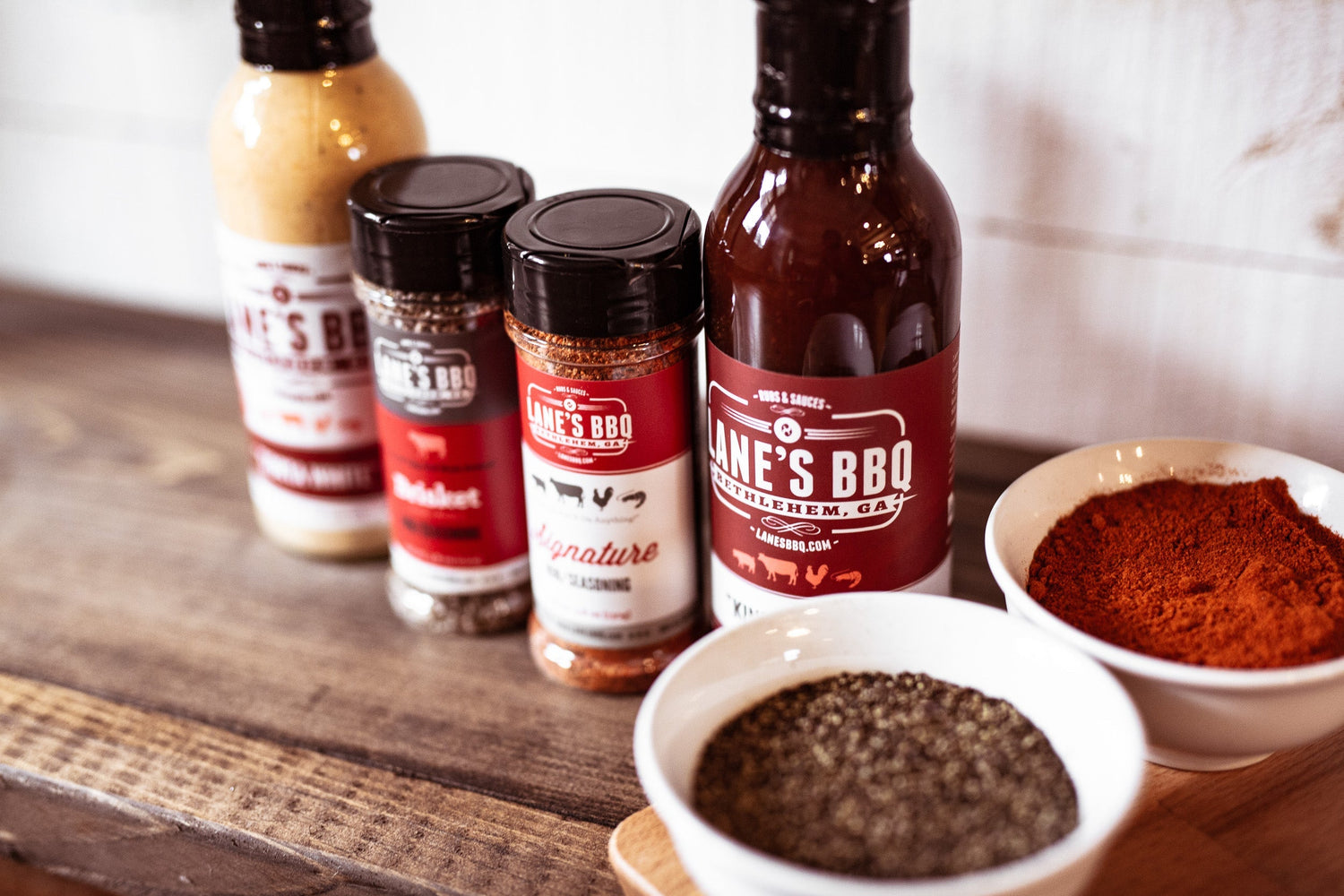
Spices and seasonings: what are the essentials for storing and taking care of those flavors you love?
A good seasoning can do a whole lot of heavy lifting, but even the best blend needs a little help once it lands in your kitchen. Heat, light, air, and especially moisture can turn a free-flowing bottle into a brick—or leave a once-bold rub tasting more like colorful dust.
At Lane’s, we’ve seen plenty of overlooked spice racks packed with outdated, faded, or clumped-up seasonings. The good news? You do not need a fancy storage system. A cool, dry spot, a tight lid, and a few smart habits will help your rubs and spices stay flavorful longer.
Reviewed and updated 07/30/2026.
Why Spices Lose Flavor
Spices do not all go from “good” to “bad” on one magic date. More often, their aromatic oils gradually weaken. The blend may still look fine, but it takes more and more seasoning to get the flavor you remember.
Moisture
Many seasoning ingredients naturally pull moisture from the air. Once moisture gets inside the bottle, particles can stick together and form clumps. Heavy moisture exposure can also create a spoilage risk, so steam and wet utensils have no business in your seasoning bottle.
Heat
Heat speeds up the loss of aroma, color, and flavor. That handy cabinet over the stove may be convenient, but every hot cooking session gives your spices a front-row seat to the exact thing you are trying to avoid.
Light
Direct sunlight and bright, prolonged light exposure can fade color and speed quality loss. Clear bottles are fine when they live inside a cabinet or pantry; amber glass adds another layer of light protection.
Air
Every open bottle lets in fresh oxygen and humidity. You do not need to race the clock every time you season dinner, but closing the lid tightly and promptly helps protect the flavor inside.
About clumping: Clumps usually form because moisture-loving ingredients absorb humidity and bind together—not because carbohydrates and proteins “break down.” A few dry clumps are mainly a usability problem. Damp seasoning, visible mold, an off smell, or contamination is a reason to throw the bottle away.
How to Store Rubs, Seasonings, and Spices
The goal is simple: limit moisture, heat, light, and excess air. Here is how to do it without turning your pantry into a science lab.
What You Need
Use the original bottle with a snug lid or a clean, dry glass or food-safe container.
A pantry, cabinet, or drawer away from heat and steam works well.
Moist measuring spoons can carry water and food residue into the bottle.
-
Choose a clean, airtight container
Glass bottles are common and work well. Amber-colored glass helps block light, but the most important feature is a lid that closes tightly. If you transfer a seasoning, make sure the new container is completely clean and dry first. Do not pour fresh seasoning on top of an old layer in a bottle that may contain moisture or residue.
A resealable food-storage bag can work as a low-budget backup, but squeeze out excess air, seal it completely, and protect it from punctures. For everyday use, a rigid container is usually easier and less messy.
-
Store at a consistent, moderate temperature
Keep rubs and spices away from stoves, ovens, microwaves, dishwashers, grills, and sunny windows. These areas get hot and may swing between warm and cool, encouraging condensation and speeding flavor loss.
Yes, a drawer beside the stove is convenient. If that drawer gets noticeably warm while you cook, though, move the seasonings a little farther away. A few extra steps are better than a whole drawer full of paprika-flavored paperweights.
-
Keep bottles away from direct light
A cool, dry pantry or interior cabinet is ideal. An over-the-door pantry rack can save shelf space, provided the door does not put the bottles beside a heat source. Clear containers are perfectly usable when stored in the dark.
-
Never shake seasoning over a steaming pot
Steam can travel straight through the shaker holes and settle inside the bottle. Instead, shake or spoon the amount you need into your palm, a measuring spoon, or a small bowl away from the steam, then add it to the food.
This also prevents raw-food splatter from reaching the bottle when you are seasoning meat. If your hands touch raw meat, wash and dry them before grabbing the seasoning again.
-
Close the lid right away
Do not leave an open bottle sitting next to the grill, sink, or simmering pot while you finish cooking. Use what you need, wipe the rim if necessary, and close the lid tightly.
-
Label and rotate your stash
Keep the product name and best-by date visible. If you transfer spices to matching jars, add the date you opened or filled them. Put older bottles toward the front and check before opening a duplicate.
Keep wet tools out. Never dip a damp spoon into a spice bottle, and do not use a utensil that has touched raw meat. Moisture and cross-contamination can turn a freshness issue into a food-safety issue.
What to Do When Seasoning Clumps
Lane’s seasonings use real ingredients, and some blends are naturally more prone to clumping than others. Salt, sugars, and powdered ingredients can absorb humidity, especially in a steamy kitchen. Clumping by itself does not automatically mean the seasoning is spoiled.
If the seasoning is dry and smells normal
Close the lid and gently tap or shake the bottle. For stubborn dry clumps, use a clean, completely dry utensil to break them apart. You can also pour the seasoning into a dry bowl, crush the clumps, and return it to a clean, dry container.
If the seasoning is damp or looks questionable
Discard it if you see mold, wet patches, insects, unusual discoloration, or anything else that suggests contamination. An off, musty, or rancid smell is also a clear sign that bottle has cooked its last meal.
Do not add rice, crackers, or other unlisted ingredients directly to a commercial seasoning bottle. They may introduce allergens, crumbs, or additional moisture, and they make the original ingredient label less accurate.
Do Spices Need to Be Refrigerated?
Most dried rubs, seasonings, and spices do not need refrigeration. A cool, dark, dry pantry is usually the easiest and most reliable choice.
Some cooks refrigerate brightly colored red spices such as paprika, ground red pepper, and chili powder to slow quality loss. The tradeoff is condensation: moving a cold bottle into a warm, humid kitchen and opening it immediately can put moisture inside. If you choose to refrigerate a dry spice, keep it tightly sealed, minimize the time it spends out of the refrigerator, and avoid opening it while the container is still cold enough to collect condensation.
Check the label first. This guide covers dry spices and seasoning blends. Pastes, sauces, fresh herbs, and blends containing ingredients that require refrigeration should always be stored according to their package directions.
When Should You Replace Spices and Seasonings?
A best-by date is generally a quality guide for a dry, properly stored seasoning—not a switch that makes the contents unsafe at midnight. Ground spices and seasonings commonly deliver their best quality for about two to three years, while properly stored whole spices can keep good flavor for up to about four years. The specific blend, packaging, and storage conditions all matter.
Check the color
Major fading can signal flavor loss. Discard the bottle if you see mold, insects, wet spots, or unexplained discoloration.
Wake up the aroma
Rub a small pinch between clean, dry fingers. If the aroma is weak, stale, musty, or rancid, it is time for a replacement.
Try a small amount
If it looks and smells normal but tastes flat, replacing it will do more for dinner than dumping in half the bottle.
Buy an amount that matches how often you cook. The biggest bottle is not a bargain if the last third loses its punch before you use it. Smaller quantities purchased more often may give you better flavor and less waste.
Bad or faded seasoning can flatten a meal you worked hard to prepare. When in doubt, trust your senses—and if there are any signs of moisture, spoilage, or contamination, toss it.
We Care About Rubs and Seasonings
At Lane’s, we understand the role seasonings play in backyard grilling adventures and everyday kitchen creations. We enjoy the whole process: building a flavor profile, watching it come to life, producing and bottling it, and finally getting it into your hands.
So, the next time you reach for your favorite Lane’s bottle, give it a good home and keep the steam on the food—not in the shaker. Those simple habits help you get the bold flavor we intended in every dish.
Restock the Flavor
Lane’s BBQ Rubs and Seasonings
From backyard staples to bold specialty blends, find the right bottle for whatever is hitting the grill next.
Frequently Asked Questions
What is the best place to store spices and seasonings?
Store dry spices in a cool, dark, dry pantry, cabinet, or drawer away from the stove, oven, dishwasher, sink, and direct sunlight. Keep every container tightly closed.
Does clumped seasoning mean it has gone bad?
Not always. Dry clumps often mean the seasoning absorbed humidity and can usually be broken apart with a clean, dry utensil. Discard seasoning that is damp, moldy, contaminated, unusually discolored, or smells off.
Why should I not shake spices over a hot pot?
Steam can enter through the shaker holes, add moisture, and cause clumping or spoilage. Measure the seasoning into your palm, a spoon, or a small bowl away from the pot, then add it to the food.
Should paprika, chili powder, or red pepper be refrigerated?
Refrigeration is optional for most dry red spices. It may slow color and flavor loss, but moving a cold bottle into a warm kitchen can cause condensation. A tightly sealed container in a cool, dark, dry pantry is usually the simplest choice.
How long do ground spices and whole spices last?
Ground spices and seasonings commonly keep their best quality for about two to three years, while whole spices may keep good flavor for up to about four years when stored properly. Use the package date plus color, aroma, and taste to judge quality.
Are spices unsafe after the best-by date?
A best-by date on a dry seasoning is generally about quality. Properly stored spices may simply lose aroma and flavor over time. Throw them away if moisture, mold, pests, an off odor, or contamination is present.
Can I transfer spices into decorative jars?
Yes. Use clean, food-safe jars that are completely dry and have tight-fitting lids. Label each jar with the seasoning name and best-by or transfer date, and do not mix a new batch with old residue.


Leave a comment
All comments are moderated before being published.
This site is protected by hCaptcha and the hCaptcha Privacy Policy and Terms of Service apply.