



Best Woods for Smoking Meat
updated 07/30/2026
Choosing the best wood for smoking does not have to feel like a forestry exam. Start with a clean, properly dried hardwood, match the strength of the smoke to the food, and remember that a little smoke can go a long way. This guide walks through the most popular smoking woods, what each one tastes like, and which meats they work best with.
What You'll Need
Quick Smoking Wood Pairing Guide
If you just need a fast answer before the meat goes on, start here:
Beef
Best woods: Oak, hickory, mesquite, or pecan
Pork
Best woods: Hickory, apple, cherry, pecan, or maple
Chicken & Turkey
Best woods: Apple, cherry, pecan, maple, or light hickory
Fish & Seafood
Best woods: Alder, apple, maple, or light oak
Lamb & Game
Best woods: Oak, pecan, hickory, or a little mesquite
Vegetables
Best woods: Apple, cherry, maple, pecan, or oak
New to smoking? Oak, apple, cherry, and pecan are forgiving places to start. They add plenty of flavor without taking over the whole meal like an uninvited karaoke singer.
What Types of Wood Should You Not Use for Smoking?
There are softwoods and hardwoods in the world of trees. For smoking food, stick with known, cooking-grade hardwoods. Many evergreen softwoods contain higher levels of resin and can create harsh, unpleasant smoke. Yes to the campfire. No to dinner.
Use
Clean, properly seasoned hardwood from a trusted source. The wood should be dry, free of mold, and identified by species.
Avoid
Pine, fir, spruce, cedar, or other resinous softwoods, along with painted, stained, pressure-treated, glued, moldy, rotten, or unidentified wood.
Do not improvise with scrap lumber. Pallets, construction scraps, furniture pieces, plywood, and yard debris may contain treatments, adhesives, finishes, contaminants, or wood species you cannot verify. Buy wood sold specifically for cooking or use clean hardwood you can positively identify.
Best Hardwoods for Smoking
The varieties below are among the most common choices for smoking. There is no single “best” wood for every cook. The right choice depends on the food, how long it will be exposed to smoke, and how bold you want the finished flavor.
Mesquite
Mesquite produces an intense, earthy smoke that is best suited for bold foods such as beef and game. Because it can overpower food during a long cook, use it sparingly or blend it with a milder wood like oak.
Best with: Beef, game, and shorter hot-and-fast cooks
Hickory
Hickory is a barbecue classic with a rich, hearty smoke commonly described as bacon-like. It is a natural partner for pork and also works with beef and poultry when you want a bolder profile.
Best with: Pork, ribs, beef, and poultry
Apple
Apple wood produces a mild, slightly sweet fruitwood smoke. It complements lighter meats without bulldozing their natural flavor and is one of the easiest woods for beginners to use.
Best with: Pork, poultry, seafood, and vegetables
Cherry
Cherry brings a mild, sweet smoke that works with both red and white meats. It is also known for helping create a deep reddish color on the exterior of smoked meat.
Best with: Pork, poultry, beef, game birds, and vegetables
Maple
Maple adds a gentle, slightly sweet smoke without overpowering the food. It is especially useful for poultry, pork, vegetables, and foods where you want smoke to stay in the background.
Best with: Poultry, pork, vegetables, and cheese
Oak
Oak is the utility player of smoking woods. Its clean, medium-strength smoke works with almost anything and blends well with both stronger and sweeter woods.
Best with: Beef, pork, poultry, fish, and vegetables
Pecan
Pecan is related to hickory but generally brings a mellower, nuttier, slightly sweet smoke. It adds depth without being as aggressive as hickory can be.
Best with: Poultry, pork, beef, and lamb
Alder
Alder has a light, delicate smoke traditionally paired with fish, especially salmon. It also works when you want just a touch of smoke on shellfish or lighter meats.
Best with: Salmon, fish, shellfish, and poultry
What Is the Best Smoking Wood for Each Meat?
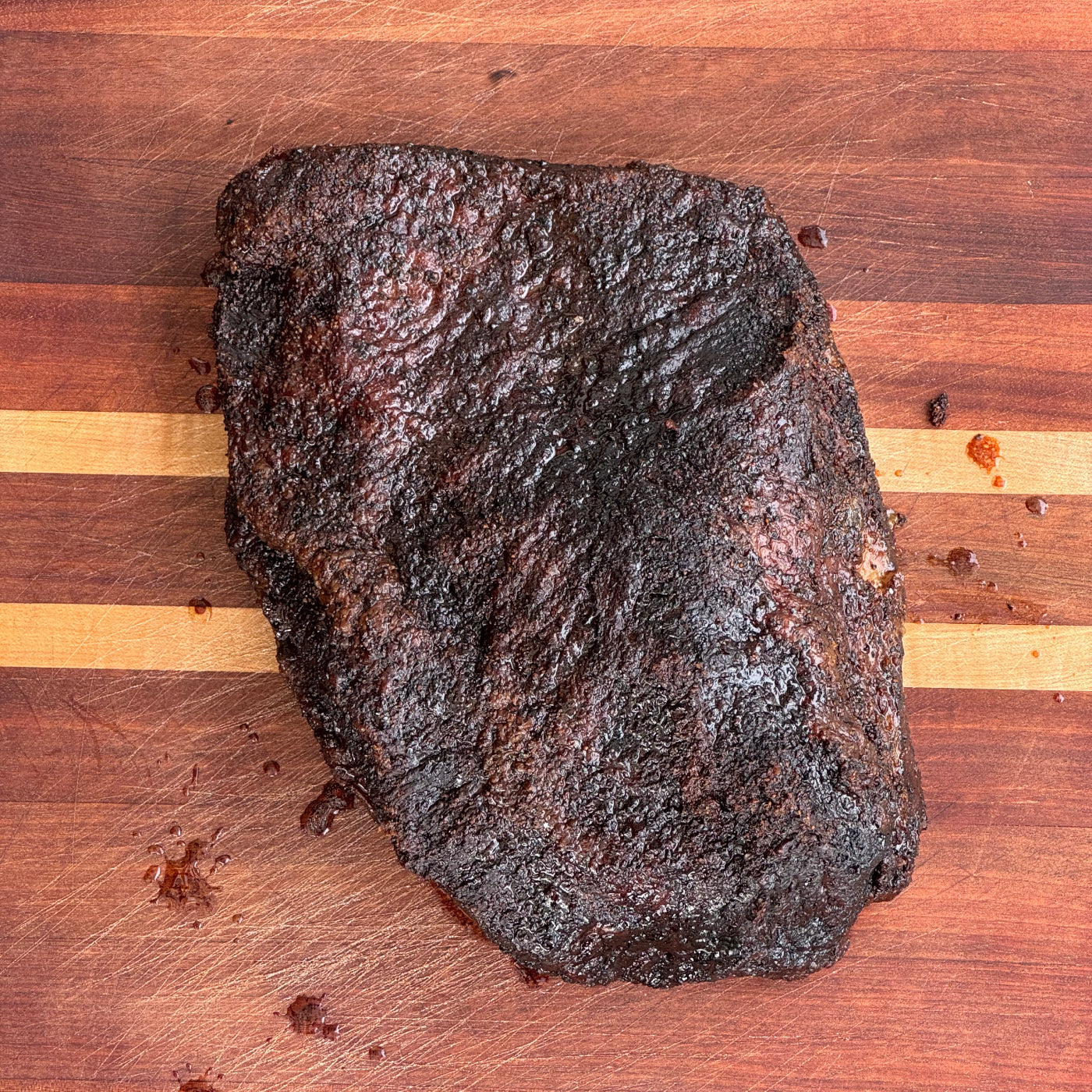
Best Wood for Smoking Brisket and Beef
Oak is the safest all-around choice for brisket because it supplies steady, medium-strength smoke that can handle a long cook. Hickory brings a heavier barbecue flavor, while mesquite is best used carefully or blended with oak. Pecan is a good middle ground when you want something rich but a little smoother.
Best Wood for Smoking Pork
Hickory is the classic choice for pork butt and ribs, but apple and cherry add a sweeter, lighter smoke that plays nicely with pork's natural flavor. Pecan gives you a mellow, nutty option, and blending hickory with apple or cherry is a dependable way to get depth without going overboard.
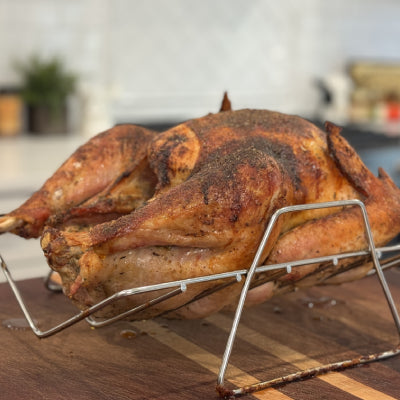
Best Wood for Smoking Chicken and Turkey
Poultry absorbs smoke quickly, so milder woods such as apple, cherry, maple, and pecan are great starting points. Hickory also works, but use a lighter hand so the smoke does not overpower the bird.
Best Wood for Smoking Fish
Alder is a traditional favorite for salmon and other fish because its smoke is mild and clean. Apple, maple, and a light amount of oak can also work well. Fish usually needs less smoke exposure than a pork butt or brisket, so start small.
Best Wood for Smoking Vegetables
Apple, cherry, maple, and pecan add mild smoke that complements vegetables instead of covering them up. Oak works when you want a more noticeable savory smoke, especially on hearty vegetables such as potatoes, mushrooms, or squash.
Ready to fire up the smoker? Use this guide with our step-by-step instructions for smoking a brisket, smoking a pork butt, or smoking ribs.
Can You Mix Woods When Smoking?
Absolutely. Blending woods is one of the easiest ways to create a balanced smoke flavor. Use a dependable base wood such as oak, then add a smaller amount of a stronger or sweeter wood to steer the flavor where you want it.
Oak + Hickory
A balanced, traditional barbecue profile for brisket, beef, or pork.
Hickory + Apple
Bold smoke softened with a little sweetness. Great for pork butt and ribs.
Oak + Cherry
Clean, steady smoke with a mild fruity note and beautiful exterior color.
Pecan + Cherry
Mellow, nutty, and slightly sweet for poultry, pork, or beef.
Oak + Mesquite
Oak keeps the fire grounded while a smaller amount of mesquite adds punch.
Apple + Cherry
A mild fruitwood blend that is especially friendly with poultry and pork.
There is no magic ratio you have to follow, but beginners should make the milder wood the larger part of the blend. You can always add more smoke next time. You cannot politely ask it to leave after it has taken over the meat.
Smoking Wood Types: Splits, Chunks, Chips, and Pellets
The species determines the flavor, but the form of the wood should match your smoker.
Logs or Splits
Traditionally used in offset smokers, where the wood supplies both heat and smoke. Splits need to be properly seasoned and sized for the firebox so you can maintain a clean, steady fire.
Wood Chunks
Commonly paired with charcoal in ceramic cookers, kettles, and other charcoal smokers. Chunks burn longer than chips and work well for extended cooks.
Wood Chips
Often used in electric smokers, smoker boxes, and gas grills. Chips ignite and burn faster than chunks, making them useful for shorter cooks or equipment designed around smaller pieces of wood.
Wood Pellets
Made from compressed hardwood sawdust and designed for pellet grills and pellet smoking tubes. They are convenient, widely available, and offered in single-species or blended flavors.
Should you soak wood chips? Usually, no. Wet chips must lose much of that surface moisture before they burn effectively, which can delay clean smoke rather than improve it. Start with dry chips unless the instructions for your smoker or smoker box specifically call for soaking.
How Much Wood Should You Use for Smoking?
The right amount depends on your smoker, the wood form, the food, and the length of the cook. There is no universal number that works for every setup.
-
Start with less than you think you need.
This is especially important with mesquite and hickory. A lighter smoke flavor is easy to enjoy; bitter, over-smoked food is harder to rescue.
-
Keep the fire clean.
Good airflow and properly dried wood help produce cleaner smoke. Thick, dirty smoke for the entire cook is not the goal.
-
Match the smoke to the cook.
A long brisket cook and a short piece of fish should not receive the same amount or intensity of smoke.
-
Take notes.
Write down the wood, amount, smoker setup, and result. Your smoker will teach you more than a one-size-fits-all formula ever could.
Buying and Storing Wood for Smoking
Pellets and bags of chips or chunks are usually easy to find at grocery stores, grilling retailers, butcher shops, and home-improvement stores. Quality cooking splits can be harder to find, so you may need a local firewood supplier, barbecue retailer, or trusted online seller.
What to Look For
Buy wood labeled for cooking that identifies the species. It should be properly dried, clean, and free from mold, rot, paint, stain, chemicals, and unusual odors.
How to Store It
Keep smoking wood dry and off the ground with airflow around it. Protect it from rain without sealing damp wood inside an airtight container.
FAQs About the Best Woods for Smoking
What is the best all-purpose wood for smoking?
Oak is one of the best all-purpose smoking woods. It produces a balanced, medium-strength smoke that works with beef, pork, poultry, fish, and vegetables, and it blends well with stronger or sweeter woods.
What is the best wood for smoking brisket?
Oak is a dependable choice for brisket because it provides steady smoke without easily overpowering a long cook. Hickory adds a bolder barbecue flavor, while mesquite can be used sparingly or blended with oak for extra intensity.
What is the best wood for smoking pork?
Hickory is a classic wood for pork, while apple, cherry, maple, and pecan add milder, slightly sweeter smoke. Hickory blended with apple or cherry is a popular combination for pork butt and ribs.
What is the best wood for smoking chicken or turkey?
Apple, cherry, maple, and pecan are great choices for chicken and turkey because they add flavor without easily overpowering the meat. Hickory can also work when used lightly.
Can you mix different woods when smoking?
Yes. Mixing woods lets you balance smoke strength and flavor. Try oak with cherry, hickory with apple, pecan with cherry, or oak with a smaller amount of mesquite.
What woods should you never use for smoking food?
Avoid resinous softwoods such as pine, fir, spruce, and cedar. Never cook with painted, stained, pressure-treated, glued, moldy, rotten, or unidentified wood, including unverified pallets and construction scraps.
Should you soak wood chips before smoking?
Usually, no. Wet chips must lose much of their surface moisture before they burn effectively, so soaking can delay clean smoke rather than improve it. Use dry chips unless your equipment manufacturer specifically recommends otherwise.
Are wood chunks or chips better for smoking?
Neither is universally better. Chunks burn longer and are well suited for charcoal smokers and longer cooks. Chips burn faster and are often used in electric smokers, smoker boxes, gas grills, and shorter cooks.
Can you use freshly cut wood for smoking?
Freshly cut green wood contains a lot of moisture and tends to burn inefficiently and produce dirtier smoke. Use properly seasoned or kiln-dried cooking wood from a trusted source.
Final Thoughts on Choosing Smoking Wood
Choosing the right wood for smoking is part flavor, part equipment, and part personal preference. Whether you want the bold punch of mesquite, the barbecue backbone of hickory, the versatility of oak, or the mild sweetness of apple and cherry, there is a hardwood that fits the cook.
Start with clean, dry cooking wood, use a lighter hand until you know what you like, and take notes when you find a combination that hits. The goal is not to taste how much wood you used. The goal is to make the food taste so good that everybody hangs around the table a little longer.


Leave a comment
All comments are moderated before being published.
This site is protected by hCaptcha and the hCaptcha Privacy Policy and Terms of Service apply.